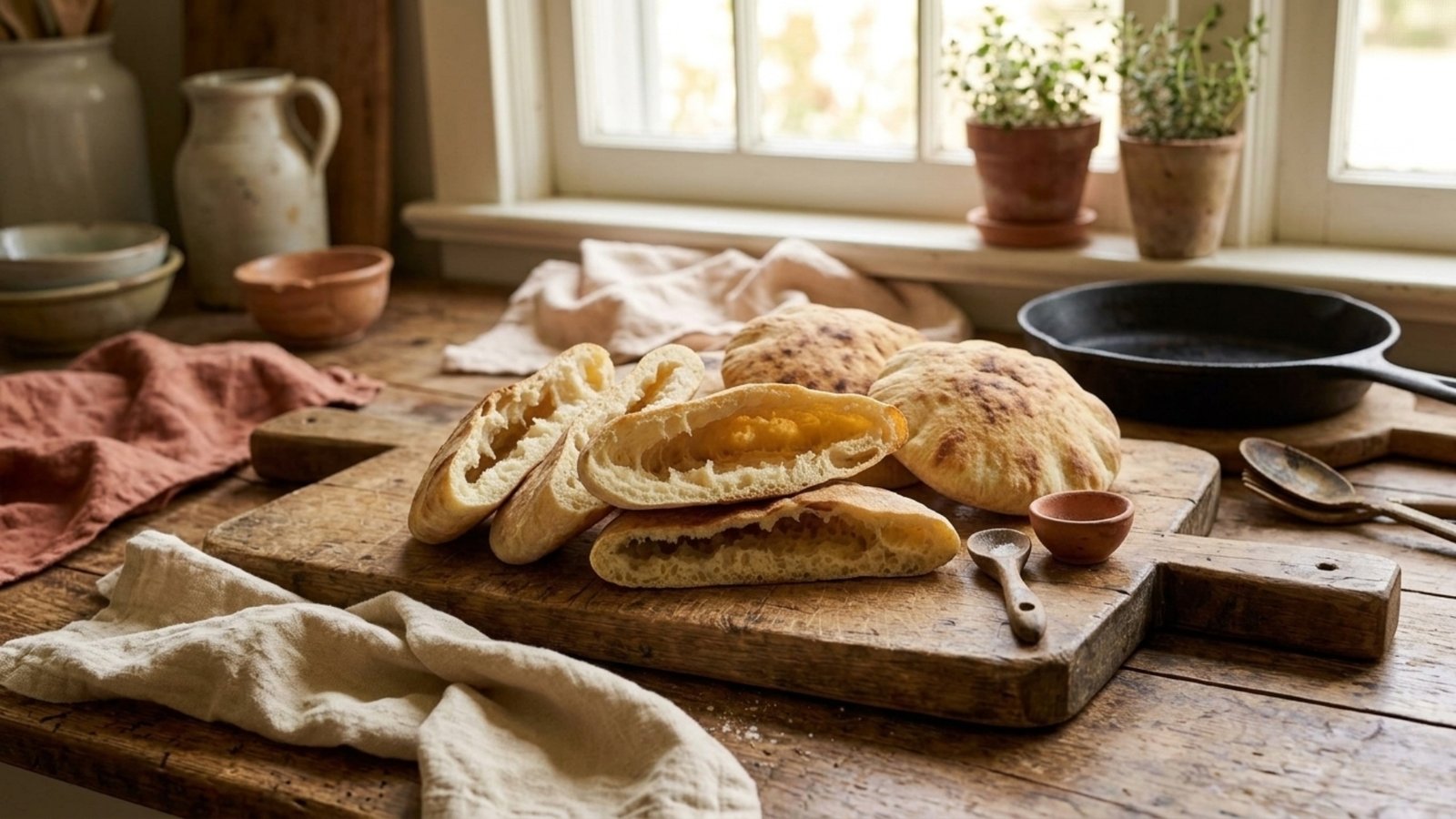
Ingredients
Equipment
Method
- Dissolve the starter. In a mixing bowl, combine the active starter, lukewarm water, and olive oil. Mix until the starter is fully dissolved into the liquid.
- Add the flour and salt. Add the flour and salt to the bowl and mix until the dry ingredients are fully worked into the wet ones. This can be done by hand or with a stand mixer, whichever you prefer.
- Rest. Let the dough rest, undisturbed, for 30 minutes.
- Develop the dough. From here you have two options: run the dough in a stand mixer for about 7 minutes, or do three rounds of stretch and folds by hand. Either works, pick whichever fits your time.
- Bulk ferment. Let the dough ferment at room temperature until it looks slightly domed and has risen about 50%. In a warm kitchen that's roughly 2 to 2.5 hours, a cooler kitchen can take 4 to 5.
- Cold retard overnight. Once bulk fermentation is done, move the dough to the fridge and let it rest there overnight.
- Let the dough relax. The next day, take the dough out of the fridge and let it sit on the counter for 30 minutes to an hour, depending on how warm your kitchen runs, until it's relaxed and easier to work with.
- Divide. Divide the dough into 15 equal portions. You can adjust the number depending on how large you'd like your pitas.
- Shape into rounds. Shape each portion into a smooth ball by gathering the edges into the center, then cupping it with one or both hands and dragging it against the counter to build tension on the surface. Let the shaped rounds rest on the counter for about 20 minutes. If the dough feels sticky, a little extra flour on your work surface will help.
- Roll into rounds. Using a rolling pin, flatten each ball into an even, thin circle, rotating it as you go to keep the shape round. Don't roll them too thin, the dough needs enough thickness to trap air and puff. If the dough resists and springs back as you roll, let it rest longer before trying again. Handle it gently and roll evenly - any thin spots, tears, or small holes will let steam escape and keep the pita from puffing.
- Rest the rolled rounds. Let the rolled circles rest for about 15 minutes before cooking. This lets them relax once more after rolling, which helps them puff up better in the oven or pan.
- Preheat your cooking surface. If you're using the oven, preheat it to 475°F with a cast iron baking plate or pizza stone inside for about 30 minutes. If you're using a flat cast iron pan on the stovetop, heat it over medium-high heat for about 15 minutes - it's ready when a few drops of water flicked onto the surface sizzle immediately.
- Cook the pitas. Place a rolled round onto your heated surface. As soon as it puffs up, flip it to the other side - this usually happens within about 2 minutes on the first side and another 1 to 2 minutes on the second, though exact timing depends on your oven or pan.
- Stack and repeat. As each pita finishes, transfer it into a kitchen towel and stack the next one on top as it's done. Keeping them wrapped in the towel prevents them from drying out while you work through the rest of the dough.
Notes
The same 50%-risen rule from my other doughs applies here. In my hot kitchen that's about 2 to 2½ hours on the counter, a cooler kitchen can take 4 to 5.
If the dough fights you while rolling, springing back instead of staying flat, that's your sign it needs more bench rest. Give it more time rather than forcing it.
Puffing depends entirely on an even roll. Thin spots, tears, or small holes let the steam escape before it can push the dough apart into a pocket, so handle the rounds gently and roll with even pressure.