The Science of Fermentation: Why Sourdough Rises the Way It Does
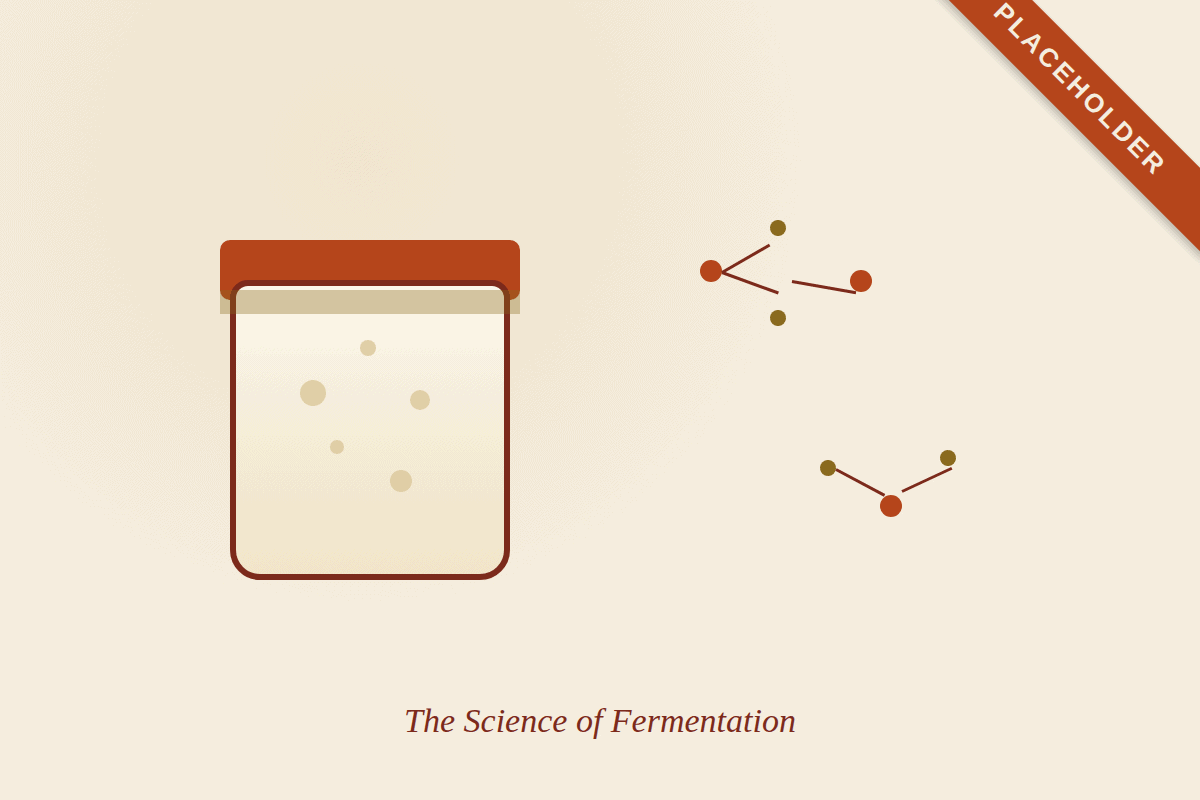
Sourdough bread rises without commercial yeast because of a partnership between wild yeasts and lactic acid bacteria living in the starter. As they consume the sugars naturally present in flour, the yeasts release carbon dioxide that gets trapped in the dough’s gluten network, while the bacteria produce lactic and acetic acid, the compounds responsible for sourdough’s tang.
Fermentation temperature, time, and the ratio of starter to flour all change the balance between yeast activity and acid production. A longer, cooler ferment tends to favor more acetic acid and a sharper flavor, while a warmer, faster ferment favors lactic acid and a milder tang. Understanding this balance is the difference between a loaf that tastes flat and one with real depth.
This article is a placeholder outline. The final version will dig into the actual microbiology, cite real sources, and include step-by-step guidance for reading your starter’s activity.
Knead to Know?
New recipes, baking tips, and sourdough troubleshooting — delivered before your starter even finishes its next rise.
Get the latest insights, no spam — just new recipes and baking tips. Unsubscribe anytime. See our Privacy Policy.