
Pizza Stone vs. Baking Steel: Which One Actually Belongs in Your Oven?
Pizza stone or baking steel? Here is how each one actually performs, how to use and care for it, and which one is worth the money for your kitchen.
The technical and health side of sourdough – fermentation science, hydration, and why this bread may be easier to digest than you think.
Curious about the craft behind the crumb? Peek behind the scenes in Starter 101 and Sourdough Troubleshooting.

Pizza stone or baking steel? Here is how each one actually performs, how to use and care for it, and which one is worth the money for your kitchen.
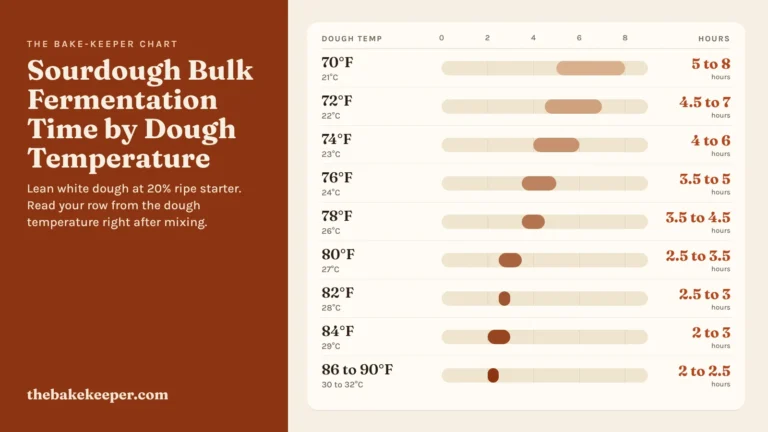
A printable chart of sourdough bulk fermentation time from 70 to 90°F (21 to 32°C) dough temperature at 20% starter, plus the adjustments that buy you time in a hot kitchen.
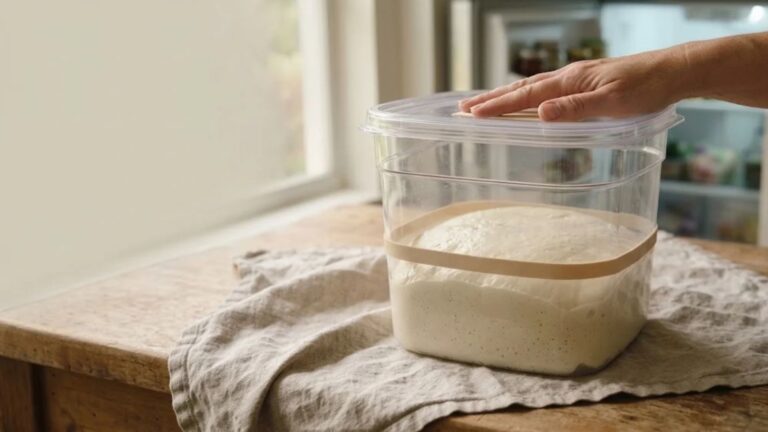
Yes, you can pause sourdough bulk fermentation in the fridge. Here is when to chill the dough, how long it holds, and how to warm and shape it afterward.
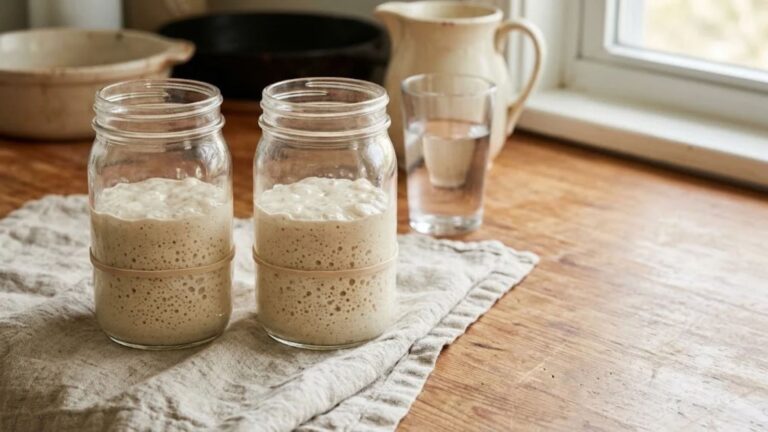
Most tap water works for a sourdough starter. Here is how chlorine and chloramine differ, what boiling cannot fix, and a simple test for your own water.
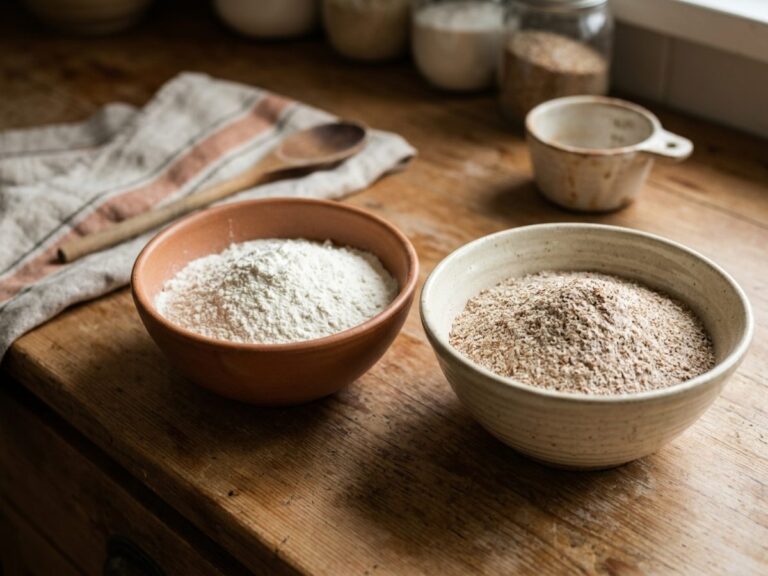
Skip the wellness-blog claims about fermentation. Here’s the actual science of what a long ferment does to phytic acid, gluten structure, and the carbohydrates in your flour.
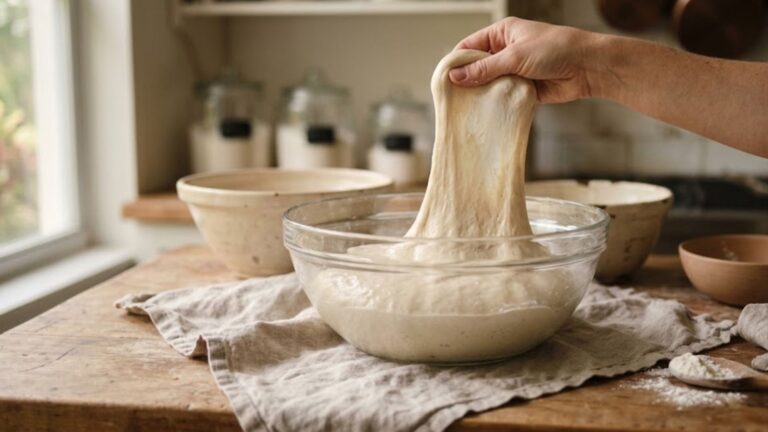
Gluten is built by water, time and gentle motion. Here is how it forms, why stretch and folds work, and how to know when your dough has enough strength.
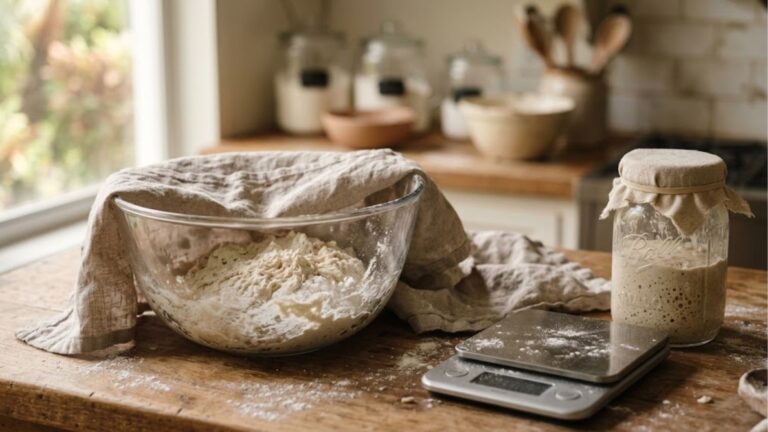
Autolyse is just flour and water, left alone. Here is what happens during that rest, how long to give it, and when it makes a real difference.
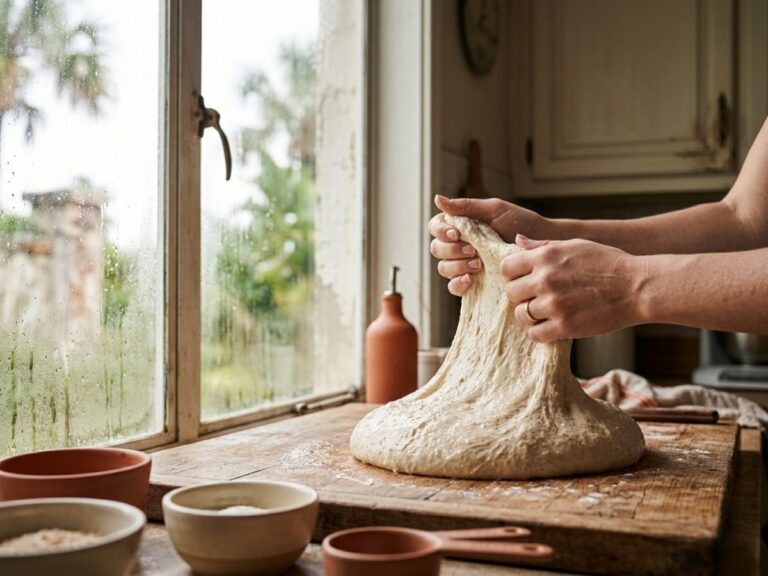
Two numbers explain almost every sourdough timing mystery you’ll ever run into. Here’s how hydration and climate actually shape how fast, or slow, your dough ferments.
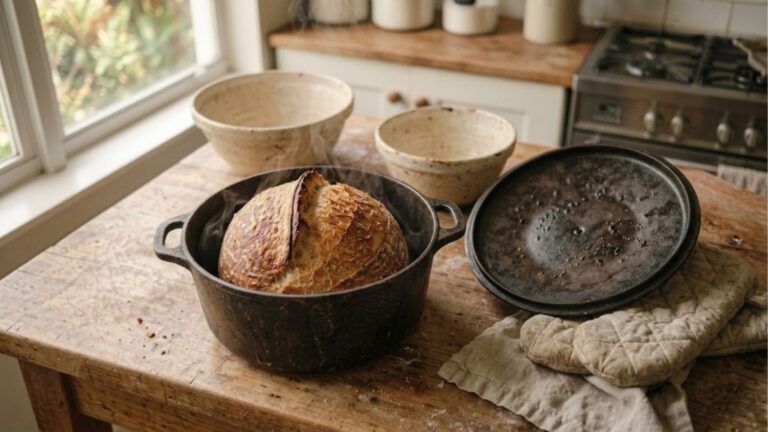
The biggest change in a loaf happens in the first fifteen minutes of baking. Here is what oven spring is, why steam matters, and how to get more of both.
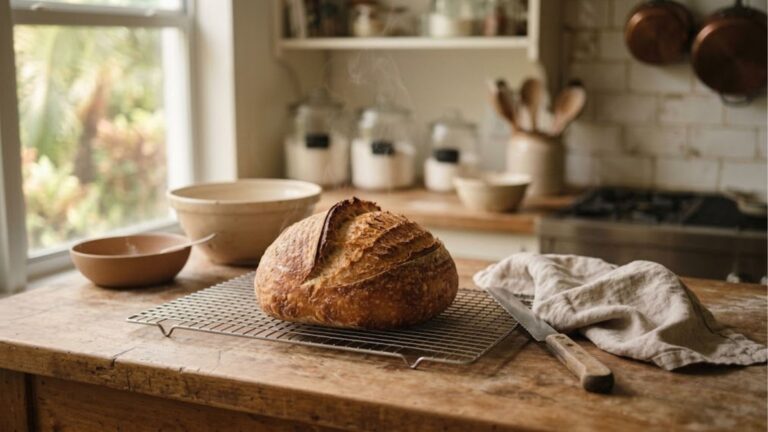
A hot loaf is still finishing its bake. Here is what starch does as bread cools, why it goes stale, and why the fridge makes it worse.
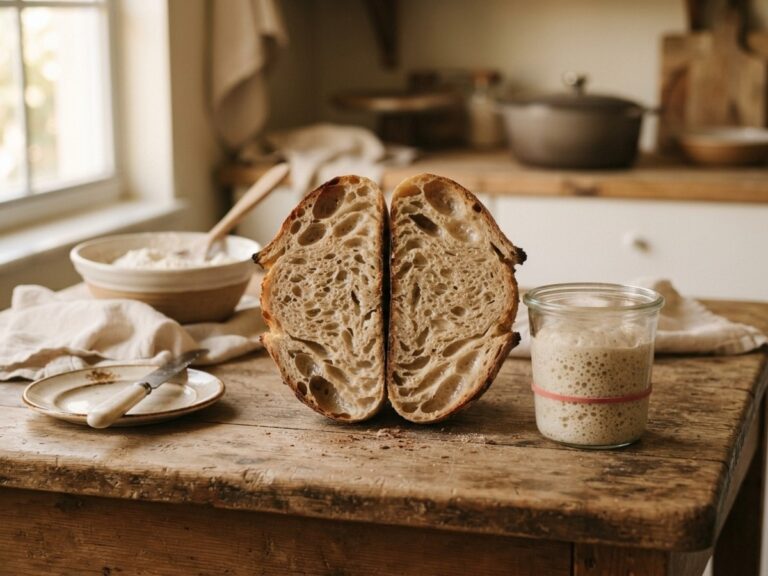
Two bakers, same starter, same recipe, same Saturday morning, and one loaf comes out mellow enough for a picky seven-year-old, and the other could pass for a vinaigrette. I get versions of this message constantly: “I followed the recipe exactly, why does my sourdough taste so different from last week?” The honest answer is that sourness isn’t one dial. It’s two.
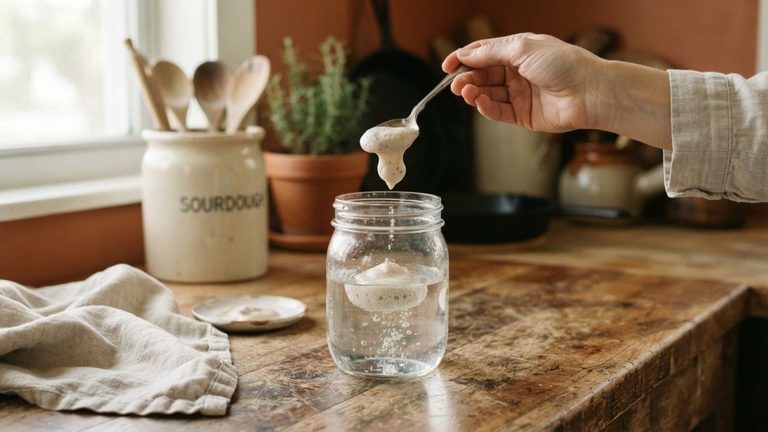
Every beginner guide tells you to drop a spoonful of starter in water and watch what happens. King Arthur’s own bakers tested that advice and found it fails. Here’s the science of why, and the three signs that actually tell you your starter is ready.
These articles explain why sourdough behaves the way it does, from how fermentation works to what hydration does to a crumb. I cite sources where I can and I say so when the research is mixed. Where a claim rests on a single study, I say that too. A thermometer and a scale still do most of the work in your kitchen, and these articles explain why. Read them when a bake surprises you, because the explanation usually points to the one thing worth changing next time.