Altitude and Air Pressure: The Fermentation Variable Sea-Level Bakers Never Have to Think About
I complain plenty about baking in South Florida, and I’ll keep doing it. But writing this piece was a good reminder that sea level gives me one thing mountain bakers don’t get for free: predictable gas expansion. Before you assume every environmental variable is working against a hot, humid kitchen, here’s the one that isn’t.
The Short Answer
Atmospheric pressure drops as elevation increases. Lower pressure means less resistance pushing back against the carbon dioxide bubbles your starter’s wild yeast produce, so those bubbles expand faster and bigger, and dough visibly rises quicker, at altitude, even when the wild yeast’s actual metabolic activity hasn’t sped up nearly as much.
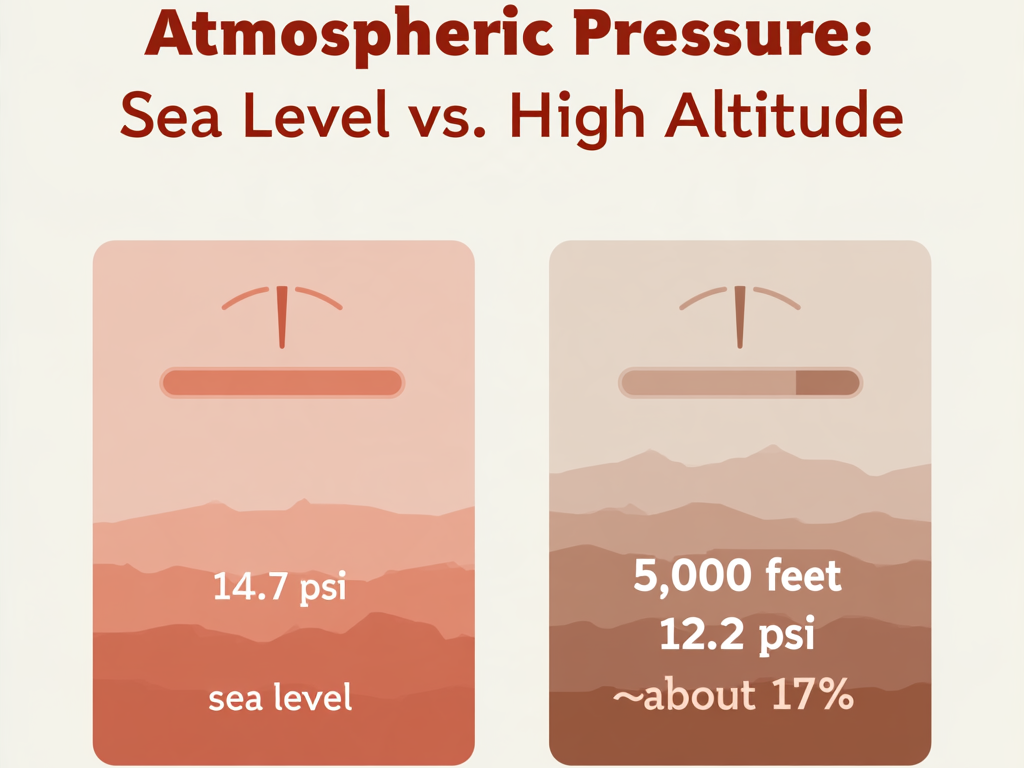
At 5,000 feet, atmospheric pressure is roughly 17% lower than at sea level, enough to meaningfully accelerate visible dough expansion and cause overproofing if a baker follows sea-level timing.
If you’re baking at or near sea level, as most of Florida is, this specific variable isn’t working against you. The visual proofing cues in most recipes, including mine, are implicitly calibrated for something close to sea-level pressure.
What Pressure Actually Does to a Fermenting Dough
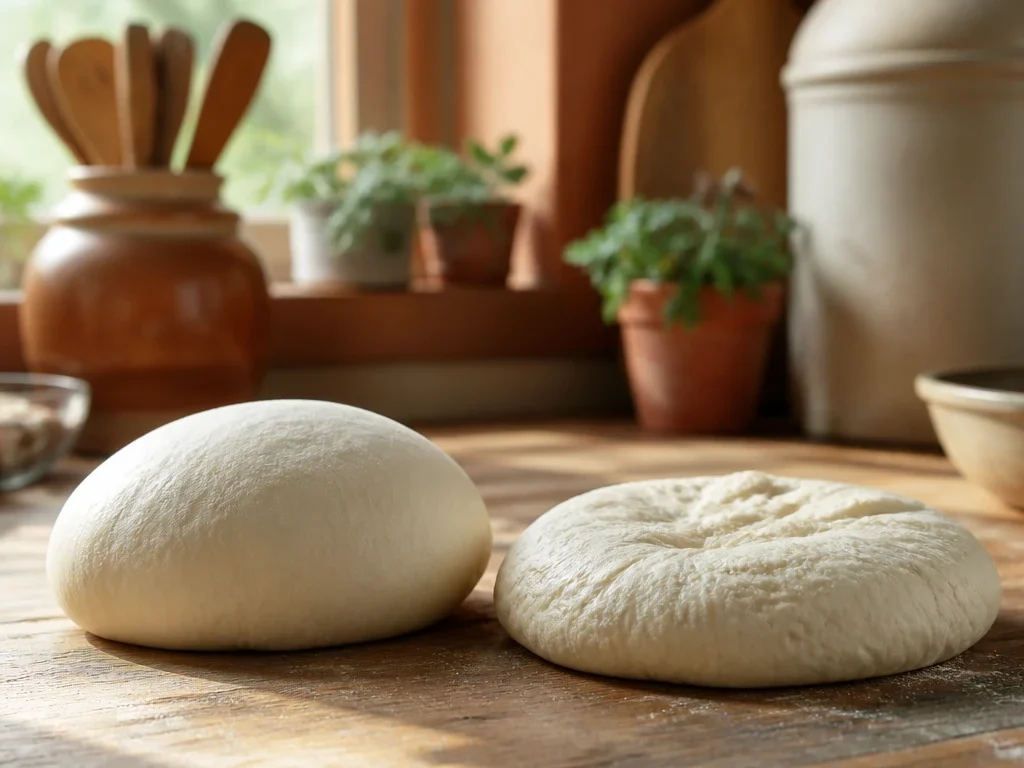
Fermentation produces carbon dioxide gas, which gets trapped in the gluten network as small bubbles. How much those bubbles expand depends partly on how much gas is being produced (a biological question, driven by your starter’s wild yeast activity and temperature) and partly on how much resistance is pushing back against that expansion (a physics question, driven by atmospheric pressure).
At higher elevation, the air itself is thinner and exerts less pressure on everything beneath it, including your rising dough. With less external pressure resisting the bubbles, the same amount of CO2 production creates a bigger, faster visible rise than it would at sea level. This is a genuinely different mechanism from temperature. Heat speeds up how fast your starter’s wild yeast and bacteria are metabolizing sugar and producing gas in the first place. Lower pressure doesn’t speed up that biology at all, it just lets the same amount of gas stretch the gluten network further. That means the network can hit its real physical stretching limit sooner, in actual clock time, than the flavor and aroma side of fermentation has caught up. What follows is a genuine structural overproof, not a fake one, it just arrives on a faster timeline than the dough’s real maturity would suggest. And whatever your elevation, read this troubleshooting guide to adjust your fermentation schedule for your specific kitchen.
The Numbers
Sea level atmospheric pressure sits at roughly 14.7 psi. At 5,000 feet, roughly Denver’s elevation, it drops to about 12.2 psi, a reduction of around 17%. That’s a meaningful enough drop that most commercial and reference baking guides, King Arthur Baking included, recommend cutting commercial yeast by as much as 25% and shortening proofing times for any baking above about 3,000 feet.
The effect compounds with elevation. Above roughly 3,500-5,000 feet, most bakers need to actively manage the dough’s rise rather than trust a printed proofing time at all, because the gap between expected and actual rise time only widens further up.
Why This Fools People Into Overproofing
The dangerous part of a pressure-driven rise is that it looks like success. The dough puffs up beautifully, fast, which reads as “ready” to someone trusting visual volume alone. But volume and doneness aren’t the same thing at altitude. The gluten network can hit its real physical stretching limit purely because the trapped bubbles are bigger, not because fermentation has actually finished developing flavor and structure the normal way. The collapse that follows isn’t a sign the dough was somehow underfermented, it’s a genuine structural overproof, just one that arrived faster than the dough’s real maturity would suggest. Volume alone was never a reliable stand-in for doneness here, which is exactly why altitude bakers are usually better off tracking dough feel and structure directly rather than trusting the clock or the eye.
The Quiet Advantage of Sea-Level Baking
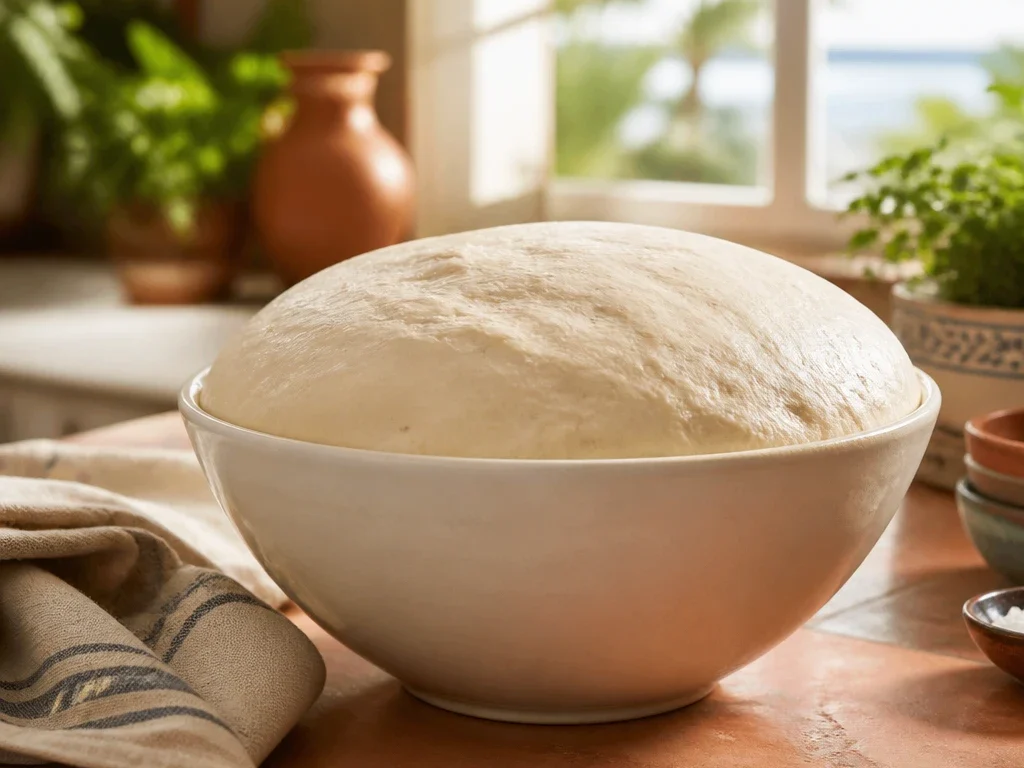
Nearly every fermentation timeline you’ve ever read, mine included, was written by someone testing at or reasonably close to sea level. The visual cues baked into those recipes (dough risen 50%, jiggly and airy, visible surface bubbles) are implicitly calibrated against something close to standard atmospheric pressure. If you’re baking in Pembroke Pines, Miami, or basically anywhere in Florida, you don’t need a pressure-based correction factor on top of everything else. This is the one input in your fermentation equation that’s actually behaving exactly the way the recipe assumed it would.
Desi’s Note
Every projection model has assumptions baked in that nobody bothers to state out loud because they hold true often enough. Standard atmospheric pressure is one of those quiet assumptions behind almost every fermentation timeline ever published. Bakers at altitude are the ones who have to go find that assumption and correct for it. At sea level, you get to skip that step entirely, for once, the model was built for you.
What Still Applies to You Anyway
None of this cancels out the temperature and humidity adjustments covered in the hydration and climate piece. Pressure and temperature are separate variables acting on the same dough. A Florida kitchen still runs hot and humid enough to accelerate real fermentation and soften your dough’s handling, that hasn’t changed. What this piece adds is narrower: you can trust the visual proofing cues in a standard recipe without also mentally discounting them for pressure, the way a Denver or Salt Lake City baker has to.
Key Takeaways
- Lower atmospheric pressure at altitude reduces resistance against expanding CO2 bubbles, causing dough to visibly rise faster independent of your starter’s actual wild yeast metabolic activity.
- At roughly 5,000 feet, atmospheric pressure is about 17% lower than sea level, enough that standard guides for commercial-yeast bread recommend reducing added yeast and proofing time significantly above about 3,000 feet.
- Pressure-driven rise causes a genuine structural overproof faster than flavor and aroma development can catch up, which is why volume alone is unreliable at altitude.
- Sea-level and near-sea-level bakers, including nearly all of Florida, don’t need a pressure correction. Standard visual proofing cues in most recipes are implicitly calibrated for this exact condition.
- Pressure is a separate variable from temperature and humidity. Florida’s heat and humidity adjustments (see the hydration and climate article) still fully apply regardless of elevation.
So no, sea level doesn’t make baking here easy. It just means one fewer variable to correct for, which on a day when everything else is working against you, is worth actually appreciating.
More Resources
New to the vocabulary? Keep the Glossary of Sourdough Terms handy while you read.
Knead to Know?
New recipes, baking tips, and sourdough troubleshooting — delivered before your starter even finishes its next rise.
Get the latest insights, no spam — just new recipes and baking tips. Unsubscribe anytime. See our Privacy Policy.