What Fermentation Actually Does to Your Flour (The Real Science, Not the Wellness-Blog Version)
Sourdough has a health halo, and most of it is earned. But “sourdough is better for you” gets thrown around with about as much precision as “this investment is basically guaranteed,” which is to say, not much. I’ve read the actual research so you don’t have to take a stranger on Instagram’s word for it. Here’s what a long, slow ferment actually does to a bag of flour, and where the claims run further than the evidence.
The Short Answer
During a long fermentation, wild yeast and lactic acid bacteria produce enzymes and organic acids that break down some of the flour’s phytic acid, partially degrade gluten proteins into smaller peptides, and reduce certain fermentable carbohydrates.
The measurable results: better mineral availability, easier digestion for some people (not everyone, and not celiac disease), and in several studies, a gentler blood sugar response than bread made with commercial yeast and no long ferment.
None of this makes sourdough gluten-free, magically low-carb, or a cure for a sensitive gut. It makes it a more thoroughly processed food, by bacteria and time instead of by a factory, and that process has real, documented effects.
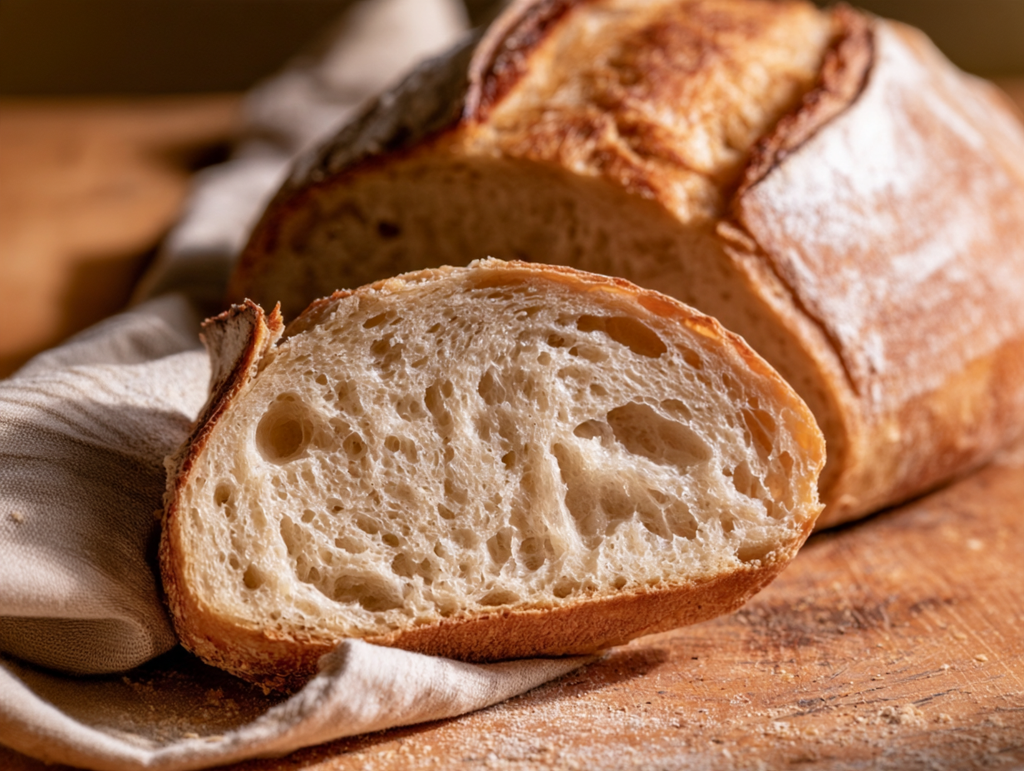
Phytic Acid: The One Claim That Holds Up Best
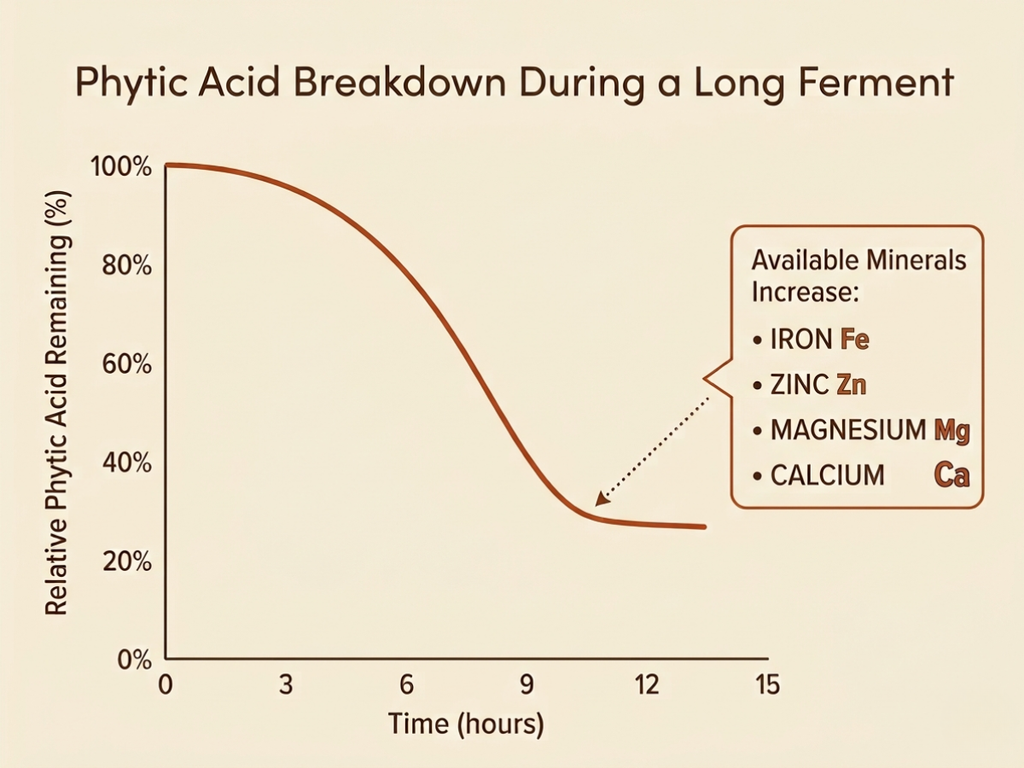
Whole grains store phosphorus in a compound called phytic acid, concentrated in the bran. Phytic acid is what food scientists call an antinutrient, not because it’s harmful, but because it binds tightly to minerals like iron, zinc, magnesium, and calcium and can carry them through digestion unabsorbed.
Sourdough starters contain phytase, an enzyme produced by the wild yeast and lactic acid bacteria in the culture, and the acidic environment created during a long ferment happens to be the exact condition phytase needs to work efficiently. Over several hours of fermentation, phytase breaks down a meaningful portion of the phytic acid in the dough, which frees up those bound minerals for your body to actually absorb.
This effect scales with fermentation time and acidity, not with vibes. A quick same-day sourdough gets a modest version of this benefit. A dough that ferments in bulk for 6-8 hours and then cold retards overnight gets considerably more phytase activity and a bigger reduction in phytic acid. This is one of the better arguments for not rushing your bulk ferment even when your Florida kitchen is begging you to.
Gluten: Changed, Not Removed
This is where I have to be the CPA in the room and correct the math people want to be true. Sourdough fermentation does partially break down gluten proteins. Proteases, enzymes naturally present in flour and produced by the starter’s microbial population, become more active in the low-pH environment a sourdough ferment creates, and they cleave some of the long gluten protein chains into shorter peptides.
For some people with non-celiac gluten sensitivity, this partial breakdown means real sourdough sits easier than bread made with commercial yeast and a two-hour rise, because there’s simply less intact gluten protein left for their gut to deal with, and what’s left has had a head start on being broken into more digestible pieces.
What sourdough fermentation does not do is eliminate gluten or make bread safe for celiac disease. The gluten proteins are reduced in size and quantity, not removed, and the amount remaining is still well above the threshold that matters for an autoimmune response to gluten. If a customer or reader asks you whether your sourdough is celiac-safe, the honest answer is no, full stop, no matter how long the ferment ran.
Blood Sugar and the FODMAP Question
Two separate but related claims get lumped together here, so it’s worth splitting them apart.
Fermentable carbohydrates (FODMAPs)
Wheat contains fermentable oligosaccharides, specifically fructans, that some people with IBS or general sensitivity struggle to digest. Lactic acid bacteria in a sourdough starter consume a portion of these fructans during a long fermentation as part of their own metabolism, before you ever bake the dough. Longer, more thorough fermentation generally means more of these compounds get broken down before baking, which is part of why some people who react to standard bread tolerate a well-fermented sourdough loaf without the same issue.
Glycemic response
Several published studies comparing sourdough to commercial-yeast-leavened bread with similar flour have found a gentler post-meal blood sugar rise after sourdough, likely from a combination of the organic acids produced during fermentation slowing starch digestion, and structural changes to the starch and protein matrix that affect how quickly your body breaks the bread down. This isn’t the same as sourdough being low-carb. A slice is still carrying essentially the same starch and calories as a slice of any other bread made from the same flour. What changes is the speed and shape of the blood sugar response, not the total load.
Does the Flour You Start With Matter?
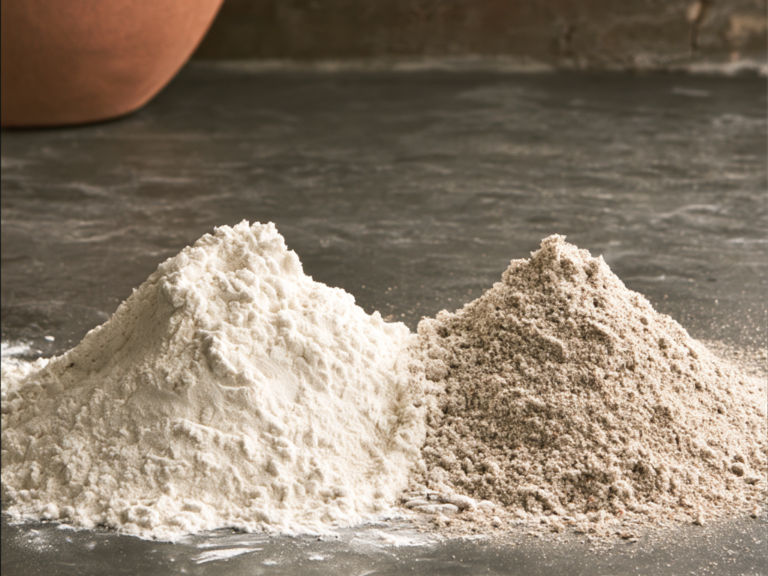
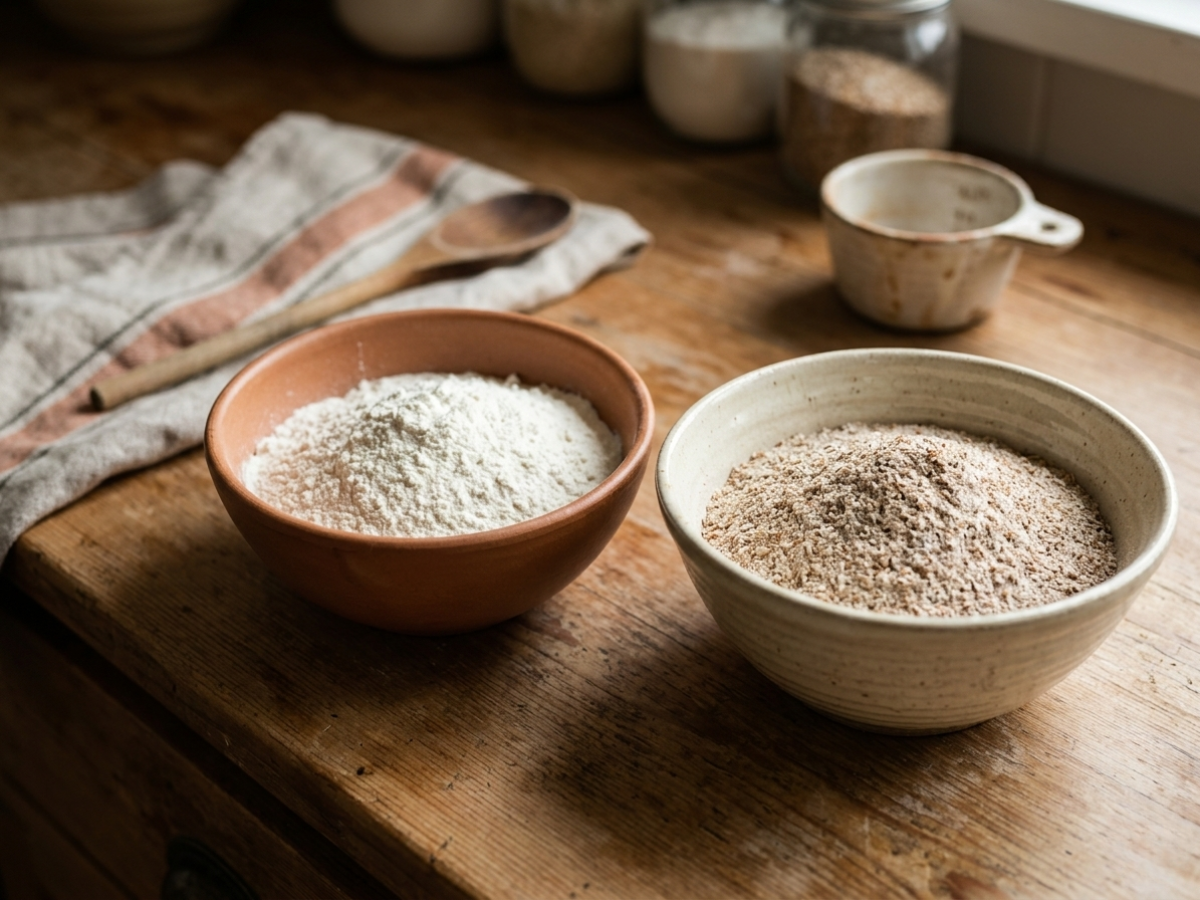
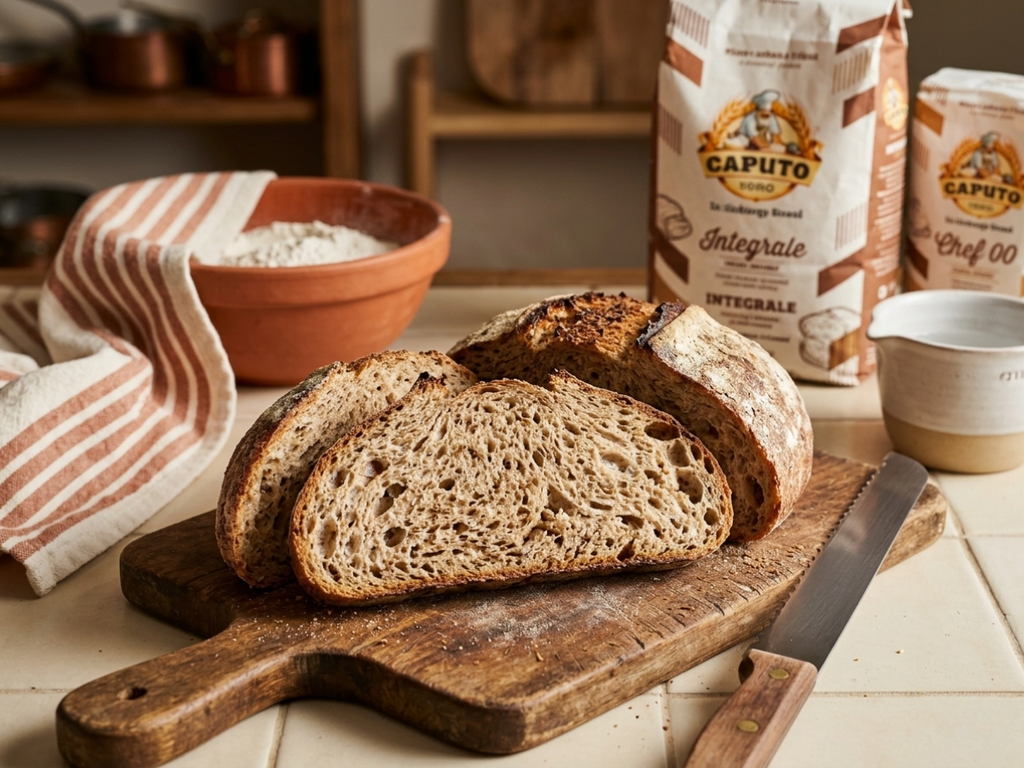
Whole grain flours arrive with more phytic acid than refined white flour, since it’s concentrated in the bran that got milled out of Chef 00. That sounds like a mark against whole wheat until you account for fermentation time doing more work on a whole-grain dough, since there’s simply more substrate for the phytase to act on and more fiber feeding the fermentation itself.
Caputo Chef 00 and Caputo Integrale aren’t just different textures, they’re different starting points nutritionally. Integrale carries the bran and germ, meaning more fiber, more minerals, and more phytic acid going in, but also a stronger response to a proper long ferment. Chef 00 gives you a milder starting nutrient profile and a more predictable, beginner-friendly dough. Neither is the “healthy” one and the other the indulgent one. They’re different formulas with different fermentation math behind them.
Desi’s Note
None of this is a magic multiplier. It’s closer to compound interest: the effect is real, it’s measurable, and it rewards patience, but it’s not going to turn a slice of bread into a supplement. If someone’s selling you sourdough as a health food rather than a well-processed one, that’s a marketing claim outrunning the balance sheet.
What This Doesn’t Mean
- Sourdough is not gluten-free and is not safe for celiac disease, regardless of fermentation time.
- “Easier to digest” applies to some people with sensitivity, not to everyone, and it’s not a guarantee.
- The calorie and carbohydrate content of sourdough is not meaningfully lower than other breads made from the same flour.
- A quick, same-day sourdough gets a smaller version of every benefit above than a properly long-fermented loaf.
Key Takeaways
- Phytase produced during fermentation breaks down phytic acid, improving mineral availability, and this effect increases with fermentation time.
- Gluten is partially broken down into smaller peptides, which can ease digestion for some people with sensitivity, but gluten is not removed and this is not celiac-safe.
- Lactic acid bacteria consume some fermentable carbohydrates during fermentation, which may explain better tolerance for some IBS-sensitive eaters.
- Multiple studies show a gentler blood sugar response after sourdough compared to commercial yeast bread, likely from organic acids and starch structure changes, not a lower carb count.
- Whole grain flour starts with more phytic acid but also responds more to a long ferment; neither Chef 00 nor Integrale is the objectively “healthier” choice.
The real story is less exciting than the wellness-blog version and more useful: a long, proper fermentation does real, documented things to your flour. It’s just not magic, it’s chemistry with a good publicist.
More Resources
New to the vocabulary? Keep the Glossary of Sourdough Terms handy while you read.
Knead to Know?
New recipes, baking tips, and sourdough troubleshooting — delivered before your starter even finishes its next rise.
Get the latest insights, no spam — just new recipes and baking tips. Unsubscribe anytime. See our Privacy Policy.