
Sourdough Equipment Guide
Sourdough doesn't need much, but the few things it does need make a real difference. Here's the gear I recommend for a South Florida kitchen, sorted into budget, everyday and premium tiers so you can start small and upgrade only when a tool solves a problem you actually have.
Some links on this page are affiliate links. As an Amazon Associate I earn from qualifying purchases. If you buy through a link I may earn a small commission at no extra cost to you. Full disclosureStart Here If You’re New
You can bake a very good loaf with a bowl, a scale, an oven and your hands. Everything below is sorted by how much it actually matters: Tier 1 is what I would hand a beginner on day one, Tier 2 solves the frustrations that show up once you bake every week, and Tier 3 is for the moment you start baking for other people. If you’d rather grab the basics in one go, the starter kit below bundles the Tier 1 small tools together.
One-cart starter kits
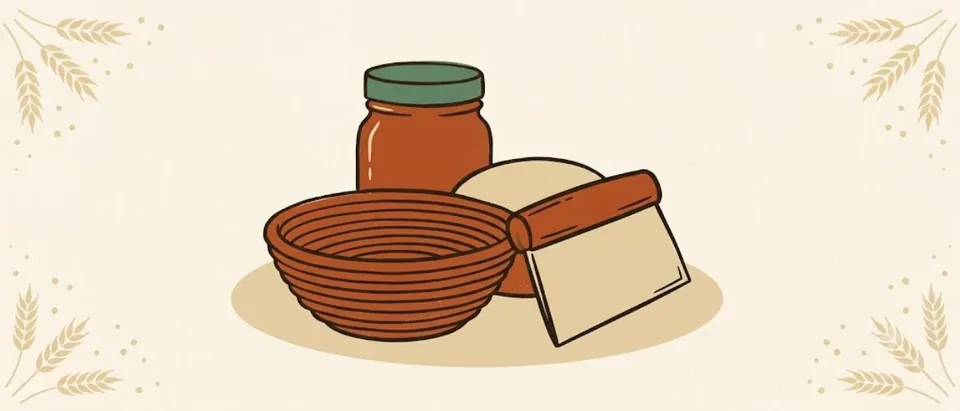
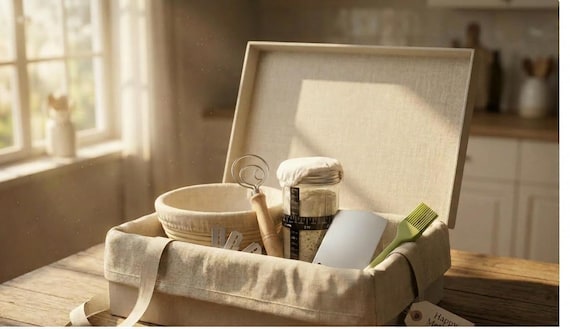
Two ways to get a beginner set in one cart. The Amazon box has two bannetons, a dough scraper, bowl scraper, lame and dough whisk. The Etsy kit from a small shop adds a glass jar and 1 oz of dry starter, with gift packaging as an option. Add a scale and you're ready.
Desi Recommends
Sourdough Starter Kit Bundle
Two bannetons (9 inch round and 10 inch oval), dough scraper, bowl scraper, lame with 5 blades, dough whisk, brush and linen liners in one box. It has no starter jar, so add one.
The New Baker’s Gift Bundle
A 9-piece set plus 1 oz of dry starter for anyone just starting out: banneton with liner, glass starter jar, bench and bowl scrapers, dough whisk, lame, brush and spatula, from a small Etsy shop. Gift-ready packaging is an option at checkout.
Tier 1: The Non-Negotiables
Four small tools and one big one. The scale is the single biggest upgrade you can make (every recipe on this site is in grams for a reason). The banneton holds a wet dough’s shape while it proofs, the lame gives you a clean score instead of a torn top, and the bench scraper keeps a sticky dough off your knuckles. The Dutch oven is the one real investment: its lid traps the loaf’s own steam, which is what gives you a crackly, blistered crust in a home oven.
Start here. These are the tools I'd consider essential from day one.

Desi Recommends
Digital Kitchen Scale (1g precision)
- 1 g precision
- Digital
Baking by weight is the single biggest upgrade for consistent results, and a simple 1 g scale like this one covers nearly every home loaf.
Desi Recommends
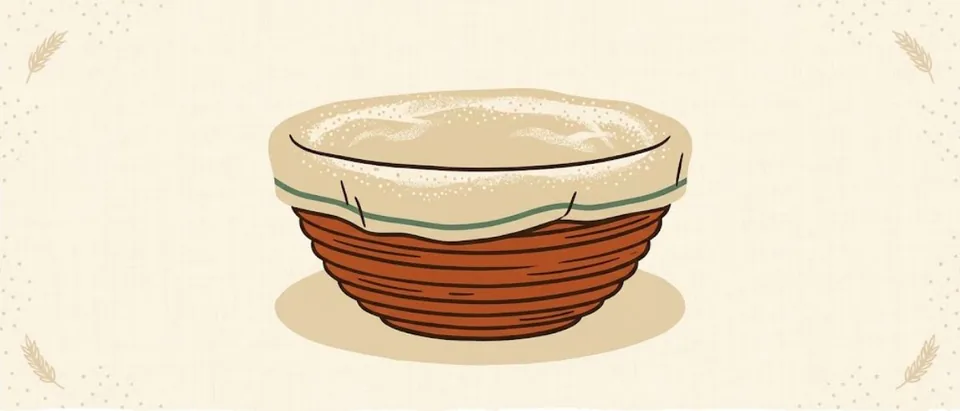
Rattan Proofing Basket (Banneton Set)
- Rattan
Gives your loaf that classic spiral pattern and keeps a wet dough from spreading while it proofs.

Wire Monkey UFO Bread Journey Lame Kit
A razor-blade lame in a grip disc that keeps your fingers well clear of sticky dough. Comes with a pouch and a 5-pack of blades, and our link takes 10% off at checkout.

Desi Recommends
Bench Scraper / Dough Cutter
For dividing, shaping, and scraping down a sticky work surface without a fight.
Proofing, rising and scoring
Bannetons, a rising bucket, a proofing box and a lame, all in one cart from King Arthur Baking.
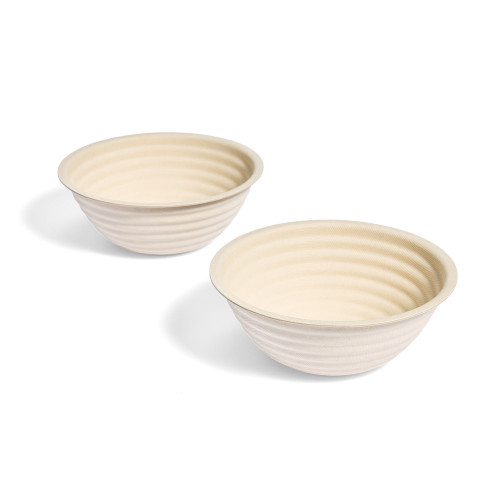
Brod & Taylor Round Bannetons, Set of 2
A pair of round bannetons from King Arthur for proofing boules and rounds. Flour them, set the shaped dough seam-side up, and the spiral rings leave that classic pattern on the crust. A good way to buy two at once.
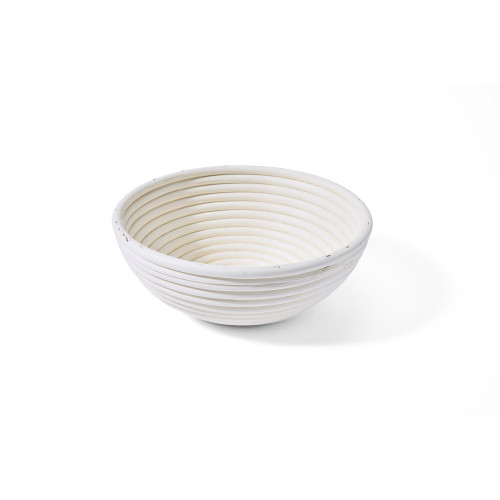
Round Brotform
A traditional round brotform, the proofing basket bakers use to hold a shaped loaf while it does its final rise and to give the loaf a rustic ring pattern. Budget-friendly and all you need for a standard boule.
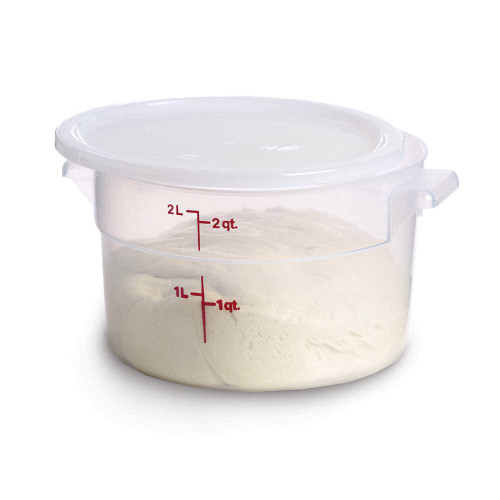
Standard Dough-Rising Bucket
A simple straight-sided bucket with a lid for bulk fermentation. The marked sides make it easy to see how far your dough has risen, which beats guessing by eye.
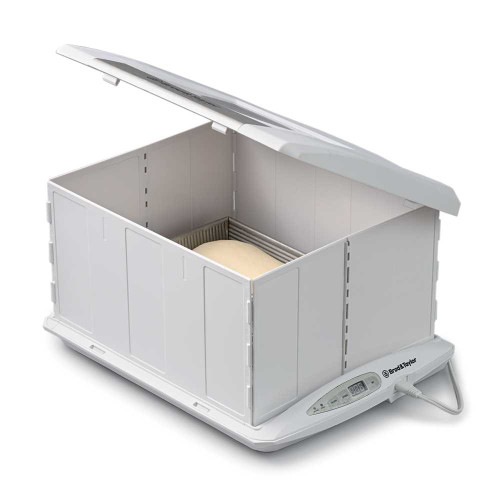
Brod & Taylor Bread Proofer
A foldable, temperature-controlled proofing box that keeps dough at a steady, set temperature, so cool winter kitchens do not stall your rise. A splurge for bakers who proof every week and want repeatable timing.

King Arthur Straight Walnut Lame
A straight scoring lame with a walnut handle and replaceable blade, for the clean, confident slashes that let a loaf open up in the oven. A step up from a plain razor blade.
The one big purchase
A 5 to 6 quart enameled Dutch oven handles every loaf on this site. I bake in a 5 qt oval and a 6 qt round depending on the loaf. Pick your price: budget, everyday or splurge, and see the sizing table below before you buy a bigger one.

Desi Recommends
5.5-Qt Enameled Dutch Oven
- 5.5 qt
- Enameled
The budget way in: a 5.5 qt enameled cast iron pot that fits every loaf on this site at a fraction of the price of the big names.
Desi Recommends
6-Qt Enameled Dutch Oven
- 6 qt
- Enameled
I bake in a 5 qt oval and a 6 qt round depending on the loaf. A 6 qt round like this one suits a standard boule, and the tight lid traps steam for a crackly crust.
Desi Recommends
Le Creuset 5.5-Qt Round Dutch Oven
- 5.5 qt
The splurge: a 5.5 qt enameled cast iron classic with even heating and a tight lid. It bakes the same loaf as the budget pot, so buy it for the long haul, not for a better crust.

Staub Round Dutch Oven, 5.5-Qt
Staub's 5.5 qt round Dutch oven, a second premium choice besides Le Creuset. Heavy enameled cast iron that holds its heat for a loaf with a deep crust.

Cloche Bread Baker With Handle
A domed cloche that traps steam around the loaf for a crisp, blistered crust, like a Dutch oven but easier to lift in and out thanks to its handle. An alternative for bakers who find a hot cast iron pot awkward.

Emile Henry Bread Pot
A glazed ceramic bread pot from Emile Henry that bakes bread under a domed lid so steam stays in and the crust stays crisp. A handsome, heavy-duty option if you want something that goes from oven to table.
Made for bread
Two Le Creuset bread ovens, one round for a boule and one oval for a batard. Worth a look if you bake most weeks and want a pot built for loaves.

Le Creuset Signature Bread Oven, 9.5-Inch Round
Le Creuset's round bread oven, shaped for a single boule. A fit for anyone who bakes a loaf most weeks and wants a pot made for bread.

Le Creuset Signature Oval Bread Oven, 14.3-Inch
The oval version of Le Creuset's bread oven, shaped for a batard. It gives a long loaf room to spring in the oven.
Which Dutch oven size do you actually need?
| Loaf | Dough weight | Size that fits | Notes |
|---|---|---|---|
| Standard boule (most recipes here) | 800 to 1,000 g | 5 to 6 qt round | The sweet spot. Tall enough for oven spring, small enough to heat fast and to lift in and out safely. |
| Large boule or two small loaves | 1,100 to 1,400 g | 7 qt round | Heavier and slower to preheat; a small loaf spreads in it instead of rising up. |
| Batard (oval loaf) | 800 to 1,100 g | 6 to 7 qt oval | Only worth it if you shape batards most of the time. Round loaves look lost in an oval. |
| Sandwich or pan loaf | Any | No Dutch oven needed | Bake in a loaf pan with a tray of water for steam. |
Two details matter more than the brand name: the lid knob must be rated for 500 degrees F (many budget knobs are not), and bare cast iron needs a wipe of oil after every wash in a humid kitchen or it will spot with rust within a week. Enamel does not have that problem.
Tier 2: Worth It Once You Bake Every Week
Not required for your first loaf. Each of these solves one specific, repeated frustration: an instant-read thermometer ends the “is it done?” guessing (200 to 210 degrees F inside), a Danish whisk brings a shaggy dough together without caking your hand, reusable covers stop the fridge from drying out your dough overnight, liners keep a sticky high-hydration dough from welding itself to the banneton, pre-cut parchment makes the drop into a 475 degree pot painless, and a set of glass bowls lets you watch the rise from the side instead of guessing from above.
Thermometers
The ThermoPop 2 covers most bakers. Step up to the Classic Thermapen or the Thermapen ONE for a faster, more refined instant-read, and add the RFX MEAT probe for roasts and braises. The fridge thermometer is for overnight dough.
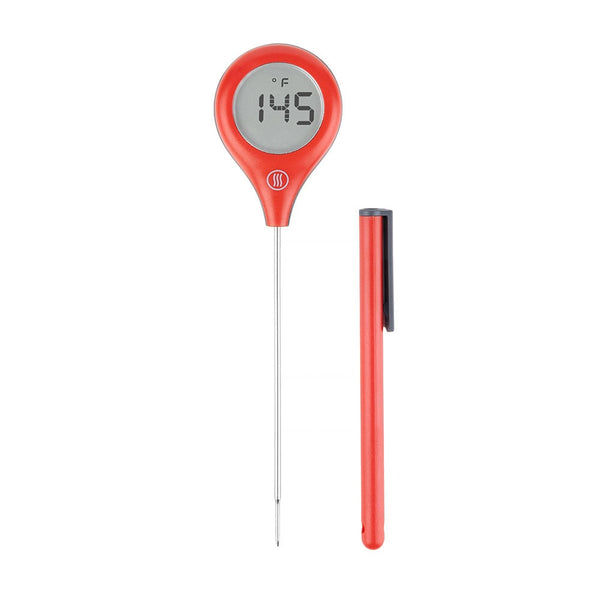
ThermoPop 2 Instant-Read Thermometer
The budget way to stop guessing. Fast, accurate, and easy to read when you are checking a loaf, a cookie, or your dough temperature on a hot day.
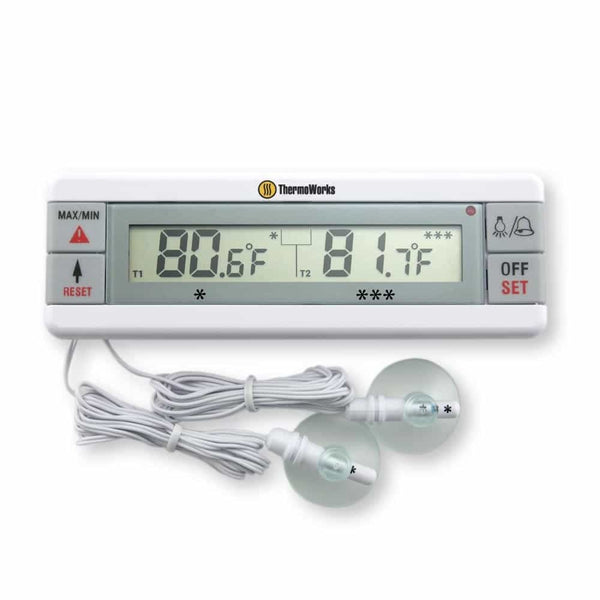
ThermoWorks Fridge/Freezer Thermometer
Two probes, one display: it tracks your fridge and freezer and sounds an alarm if either drifts out of the range you set. Handy for knowing what your fridge is really doing when dough retards overnight.
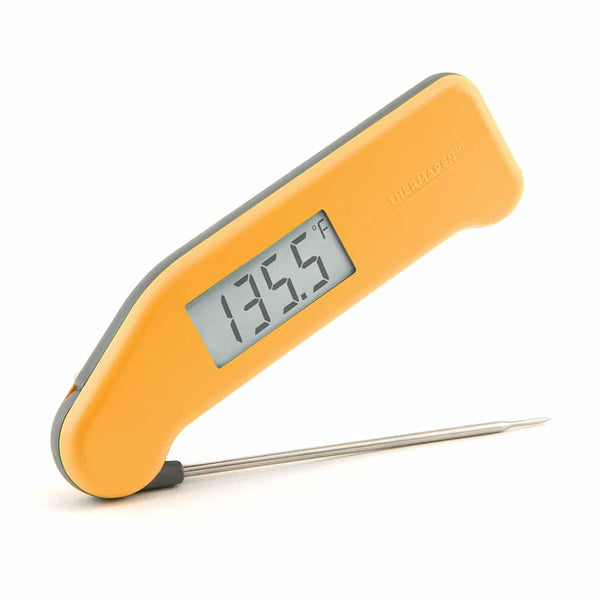
Classic Thermapen Instant-Read Thermometer
The time-tested Thermapen: full readings in 1 to 2 seconds, plus or minus 0.7 degrees F accuracy and a 1500-hour battery. A solid everyday step up from a budget probe, and it ships with a NIST-traceable calibration certificate.
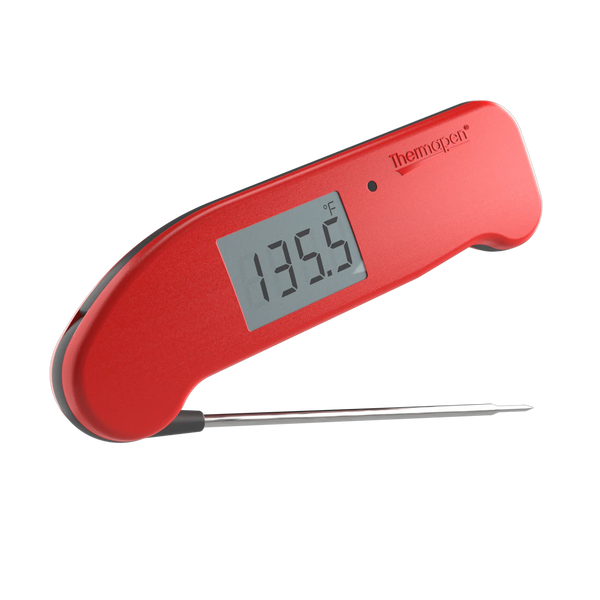
Thermapen ONE Instant-Read Thermometer
Checking internal temp (200-210°F) is the most reliable way to know a loaf is actually done.
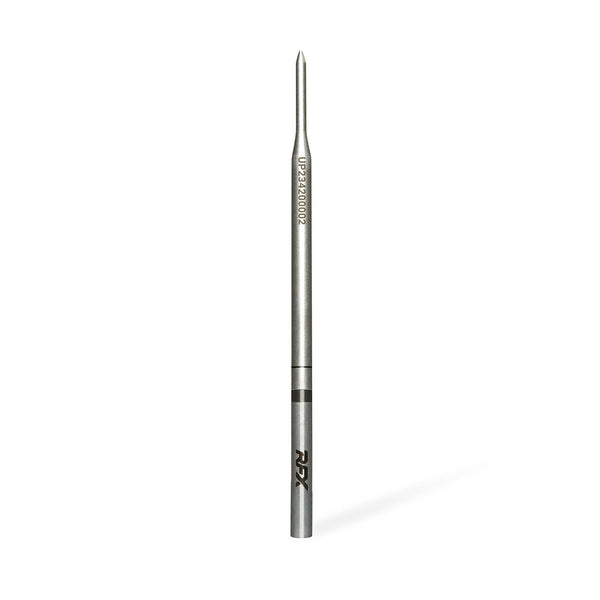
RFX MEAT Wireless Thermometer Probe
A wireless probe whose radio signal passes through a closed cast-iron Dutch oven (per ThermoWorks), so you can watch the loaf's internal temperature without lifting the lid. Pairs with the RFX Gateway.
Scales: pocket and premium
The counter scale in Tier 1 is all you need to start. A pocket scale adds salt, yeast and starter feeds, and the ThermoWorks Gravitas does all of it on one platform, to a tenth of a gram.
Desi Recommends
Pocket Digital Scale (0.1g precision)
- 0.1 g precision
- Digital
A small scale that reads to a tenth of a gram, for salt, yeast and starter feeds that a one gram scale cannot measure. Keep it next to your counter scale.
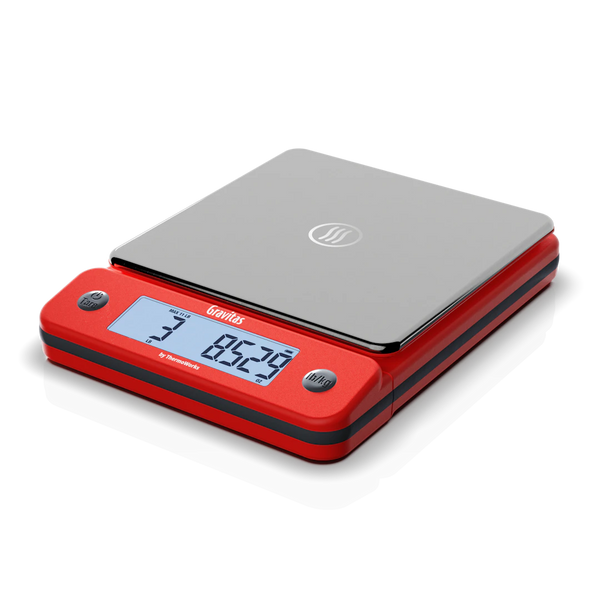
ThermoWorks Gravitas Precision Kitchen Scale
Weighs to the tenth of a gram with ±0.7 g accuracy, and its detachable backlit display means a big mixing bowl never hides the reading. A premium step up from a basic scale for anyone who bakes by weight.
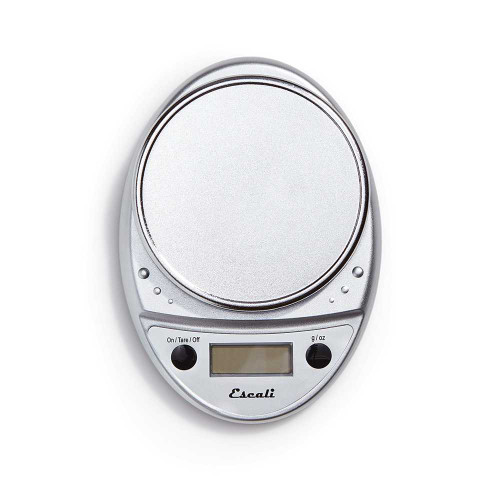
Essential Digital Scale
A straightforward digital scale for weighing flour, water and starter in grams. Weighing instead of scooping is the single biggest upgrade for consistent bread, and this one keeps it simple.
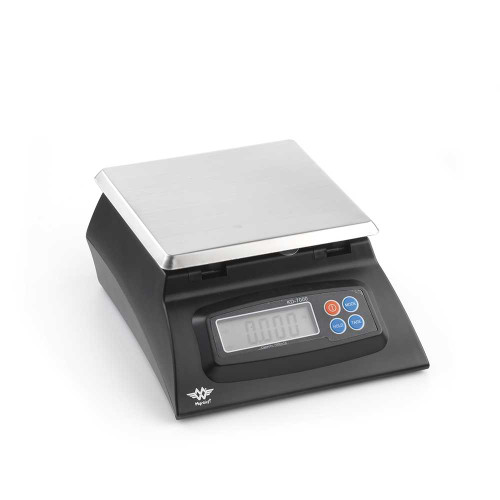
KD-7000 Digital Scale
A step-up kitchen scale for bakers who want more capacity and precision than a basic model, handy for big batches and for small amounts like salt and yeast. The upgrade pick if the basic scale starts to feel limiting.
Timer
A big, loud timer you can hear across a busy kitchen, for the proofs and bakes that cannot be left to chance.
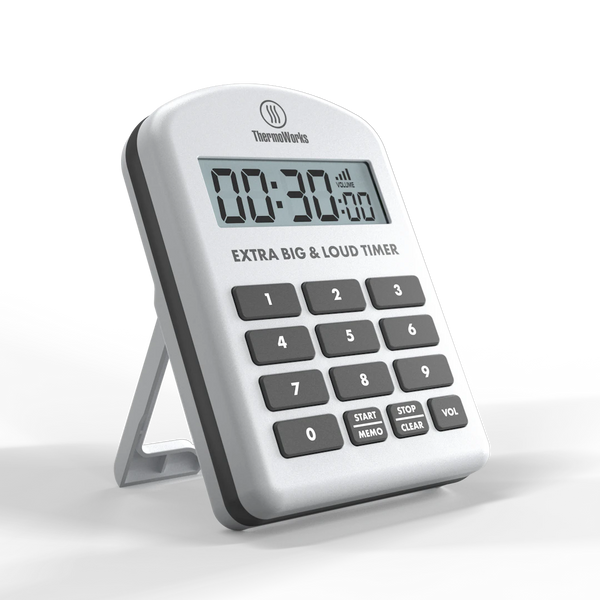
ThermoWorks Extra Big & Loud Timer
A timer with an oversized display you can read from across the kitchen and an alarm loud enough to hear over a running mixer. Useful for keeping track of stretch-and-folds and bulk-ferment checks.
Small tools
Not required, but these make the process smoother once you're baking regularly.

Desi Recommends
Danish Dough Whisk
A curved wire whisk that brings shaggy dough together without it clumping all over a spoon. A regular wooden spoon does the same job, so this is purely a convenience upgrade.
Desi Recommends
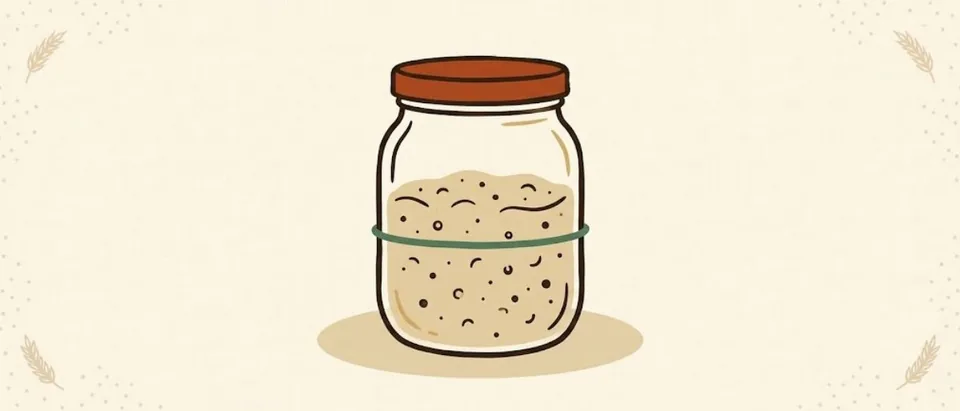
Reusable Shower Cap (2-Pack)
- 2-pack
- Reusable
Covers dough while it ferments on the counter, before it goes into the proofing basket. A plain, cheap shower cap does the job and can be reused as long as it's clean.
Desi Recommends
Banneton Liners, Set of 2
- Set of 2
Slides into a proofing basket to keep dough from sticking. Flour it first. It does not make the basket flour-free, but the loaf releases more easily.
Desi Recommends
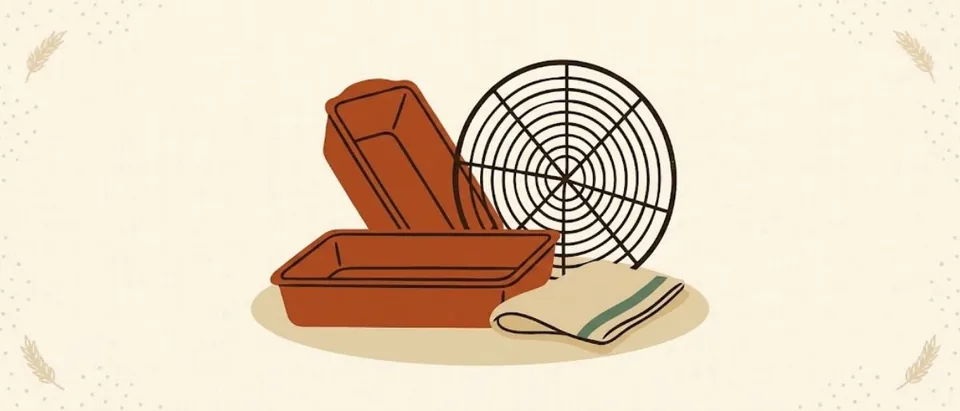
Pre-Cut Parchment Paper Sheets
- Pre-cut
Makes transferring dough into a hot Dutch oven far less stressful and saves you a stuck-loaf disaster. Ready-to-go sheets mean no cutting a roll to size.
Desi Recommends
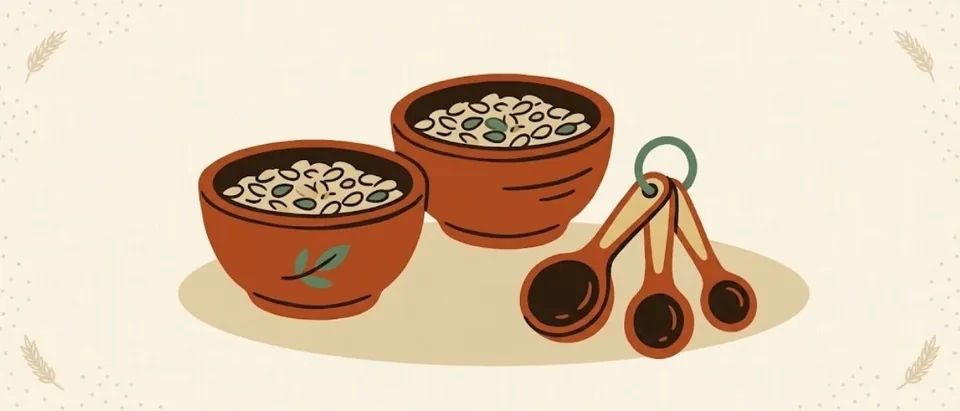
Glass Mixing Bowl Set
- Glass
For bringing shaggy dough together before it hits the counter. Glass or plastic, any size you've already got works fine, and this is just a sturdy set if you need one.
Desi Recommends
Fine-Mesh Flour Sifter
- Fine-mesh
For dusting flour evenly over a loaf or work surface before scoring. Sprinkling flour straight from your hand or through a small strainer works just fine too.
Desi Recommends
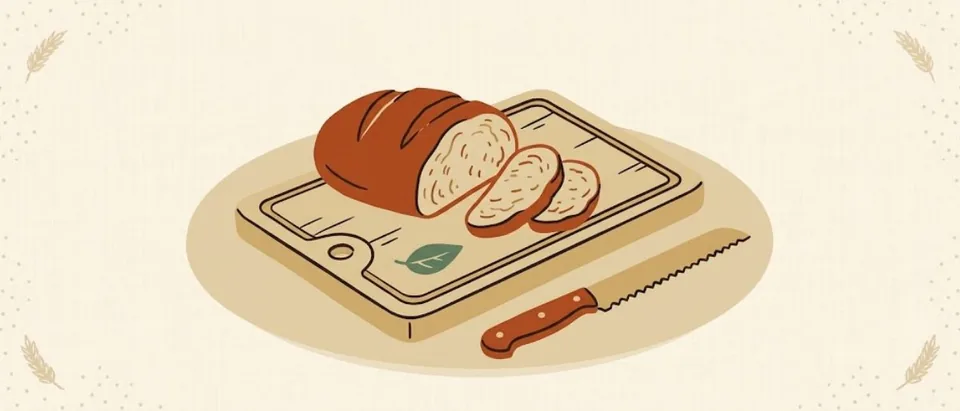
Epicurean Kitchen Series Cutting Board
A non-toxic, dishwasher-safe board made in the USA. At 14.5 x 11.25 inches it holds a boule or batard for slicing without taking over the counter.
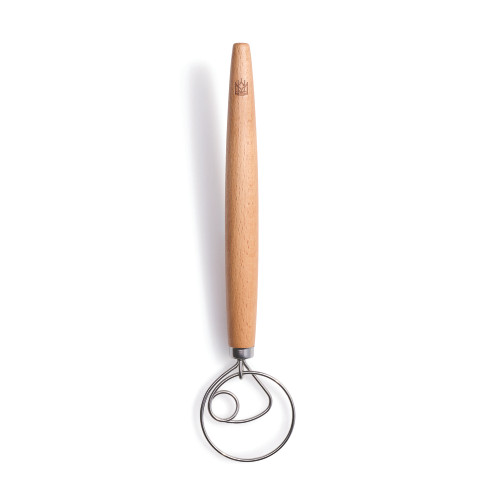
Baker’s Dough Whisk
King Arthur's dough whisk for mixing wet, sticky bread dough and sourdough without a mixer. The open coil moves through heavy dough more easily than a spoon and cleans up quickly.

Offset Bread Knife
A serrated knife with an offset handle that keeps your knuckles clear of the board while you slice a crusty loaf. Worth having if you bake rustic bread, because a dull knife crushes the crumb.

Handmade Bread Bow Knife
A wooden bow frame holding a serrated US stainless steel blade, made by a family workshop in the Appalachian foothills. It saws through a crusty sourdough loaf with a light back-and-forth stroke, and you choose the wood.
Baking steel or stone
Neither is required, because a Dutch oven already makes a great loaf. A steel or stone earns its place for pizza and for loaves baked without a Dutch oven. Steel heats dough faster and is harder to crack, and a stone costs far less. Preheat either one for 45 minutes.
Desi Recommends
ThermiChef Baking Steel, 16 x 16 in (1/4 in)
- 16 x 16 in
The budget steel: 16 by 16 inches, a quarter inch thick, 17.6 pounds, and listed by the maker as fitting most standard ovens.
Desi Recommends
NerdChef Steel Stone, 14.5 x 16 in (1/4 in)
- 14.5 x 16 in
A 14.5 by 16 inch steel plate, a quarter inch thick, made in the USA. It was a co-winner in America’s Test Kitchen’s baking steel testing, and it is the one I would start with.
Desi Recommends
The Original Baking Steel, 14 x 16 in (Pre-Seasoned)
- 14 x 16 in
The pre-seasoned original at 14 by 16 inches, and the other co-winner in America’s Test Kitchen’s baking steel testing. Sold by the brand itself and shipped by Amazon.
Desi Recommends
Unicook Pizza Stone, 15 x 12 in (Rectangular)
- 15 x 12 in
A 15 by 12 inch rectangular stone at a fraction of the price of a steel. Stones heat more slowly than steel, so preheat it for the full 45 minutes.
Desi Recommends
Old Stone Round Pizza Stone, 16 in
The round option, sold by Amazon: 16 inches across, so a boule or a round pie sits on it without hanging over the edge.
Tier 3: The Cottage Baker Kit
Most sourdough is mixed by hand, and I’d keep it that way until you are mixing more than two loaves at a time or working with enriched doughs (brioche, milk bread, cinnamon rolls) several times a week. At that point a stand mixer with a real bread-kneading motor earns its counter space. If you are selling what you bake, two more things join the list that no gear guide talks about: a legal-for-trade scale if you sell by weight, and packaging that does not trap moisture against a warm crust. Both are covered in the Cottage Bakery Hub (packaging, Florida labels, a pricing worksheet) and in Kitchen Scales for Sourdough, and the Sourdough Calculator will keep your batch math honest.
When hand-mixing stops scaling
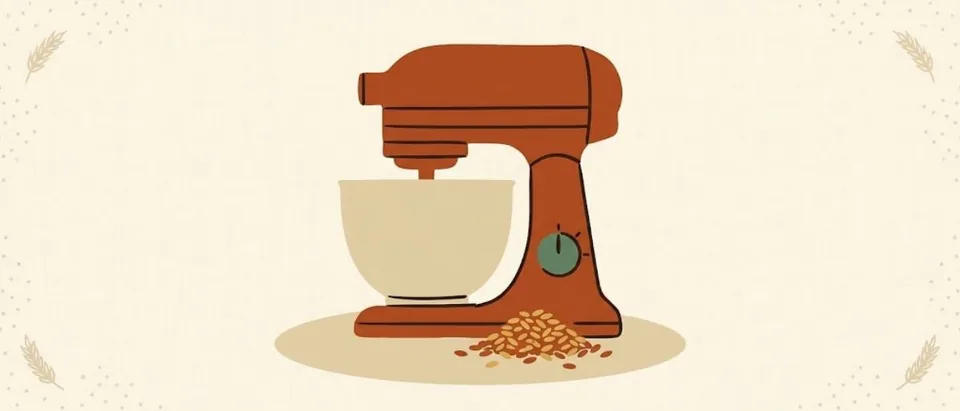
For multi-loaf batches and enriched doughs. Pick one by motor and bowl capacity, not by color.
Desi Recommends
Entry Stand Mixer (4-Qt)
- 4 qt
A starter mixer for the occasional batch of enriched dough, bagels or cookies. The 4 qt bowl is light-duty, so keep batches small.
Desi Recommends
Classic Stand Mixer (4.5-Qt)
- 4.5 qt
The everyday workhorse: a 4.5 qt tilt-head mixer for enriched doughs, bagels and cookies, and a step up if you bake for a crowd.
Desi Recommends
KitchenAid Artisan Stand Mixer (5-Qt)
- 5 qt
Not needed for sourdough bread, since hand-mixing is part of the process, but handy if you also bake enriched doughs, bagels, or cookies.

Ankarsrum Original 7.4-Qt Stand Mixer
A Swedish stand mixer designed around dough. The bowl turns while a roller and scraper work the dough, which suits big weekly batches of bread.

Ankarsrum Essential Stand Mixer
A Swedish-made bowl-spinning mixer designed for large, heavy bread doughs, with a very different design than a planetary mixer. A serious investment for bakers who knead high-hydration or whole-grain doughs often.
Pantry Staples and the Two Books I Reread
A bread flour with enough protein to build structure, a bag of whole rye to wake up a sluggish starter, and a fine sea salt that dissolves evenly. For ingredient swaps, see the Substitutions Guide. The two books are the ones that made hydration and timing click for me. Neither is required, both are worth it.

Desi Recommends
King Arthur Organic Bread Flour, 5lb (2-Pack)
- 5 lb
- 2-pack
- Organic
A reliable, high-protein bread flour that gives sourdough its structure. Organic and unbleached, sold here as a 2-pack of 5 lb bags.
Desi Recommends
Antimo Caputo Chef’s Flour (2-Pack)
- 2-pack
My favorite flour: finely milled Italian double zero that makes a soft, extensible dough. The 2-pack is the sensible size, and other pack sizes are on the listing.
Desi Recommends
Whole Rye Flour (for feeding starters)
- Whole rye
A spoonful in your feeding routine gives a sluggish starter a real boost of activity.

Desi Recommends
Fine Sea Salt (Baker’s Salt)
Fine grain dissolves evenly into dough, so there are no gritty pockets of salt in your crumb.
“Flour Water Salt Yeast” by Ken Forkish
The book that makes hydration percentages and timing click for home bakers.
“Tartine Bread” by Chad Robertson
A deeper dive once you're past the basics and want to refine your technique.
“Bread: A Baker’s Book of Techniques and Recipes” by Jeffrey Hamelman
A professional baker’s reference built on formulas and technique, with a strong sourdough and levain section. Best for serious home bakers and anyone building a cottage bakery.
More from King Arthur Baking
Flours, salt, a ready-to-feed starter, flour storage, a loaf pan and bread bags, if you like to shop one store.
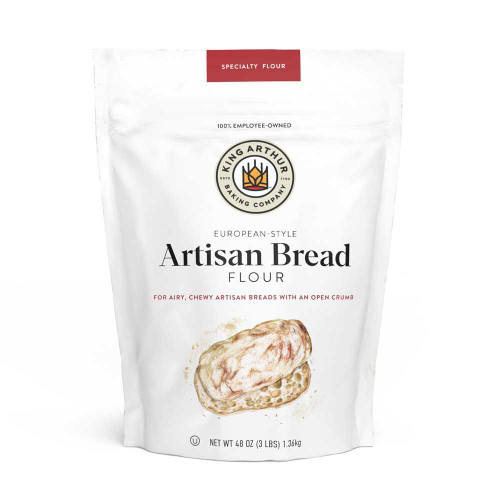
Artisan Bread Flour
King Arthur's artisan bread flour, a strong flour well suited to sourdough and other yeasted breads, with the chew and structure you want in a rustic loaf.
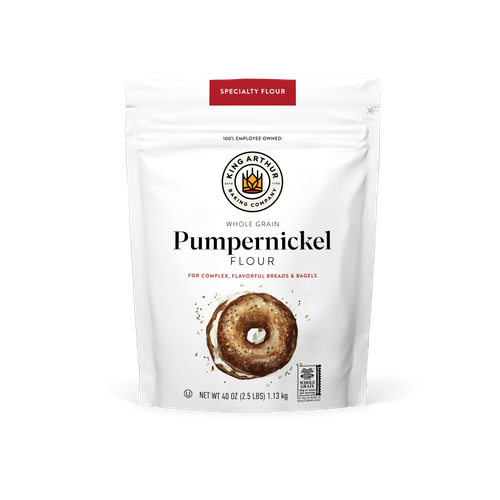
Pumpernickel Flour
A coarse rye flour for pumpernickel and other dark, hearty breads. Also useful for adding flavor and character to a sourdough loaf.

Baker’s Bread Salt
A fine-grained salt made for dough, so it mixes in evenly and measures consistently by weight. A simple pantry upgrade for bread and pizza dough.

Classic Fresh Sourdough Starter
A fresh, ready-to-feed sourdough starter shipped to your door. If you would rather not wait through the first week of building your own, this gets you baking sooner.
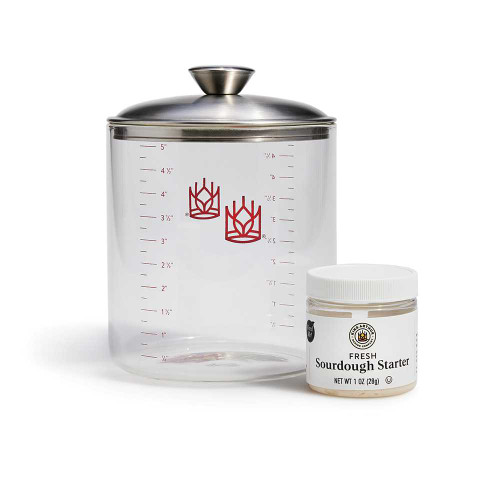
Fresh Sourdough Starter and Glass Sourdough Crock Set
A fresh, active sourdough starter paired with a glass crock to keep it in. A quick start for bakers who would rather skip the weeks of building a starter from scratch, and a nice gift for a new sourdough baker.
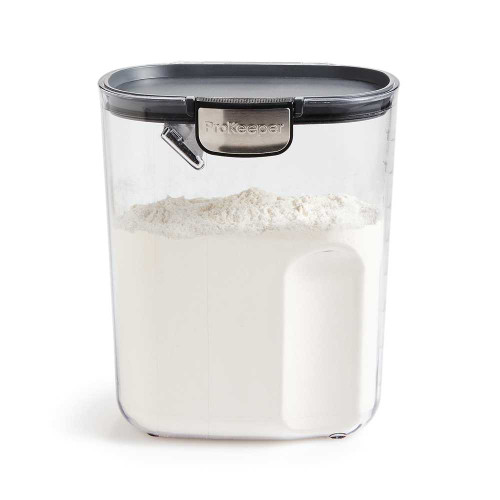
ProKeeper+ Flour Storage Container
An airtight container sized for a bag of flour, with a lid that seals out moisture and pantry pests. Handy when you buy flour in bulk or keep several kinds on hand for your starter.
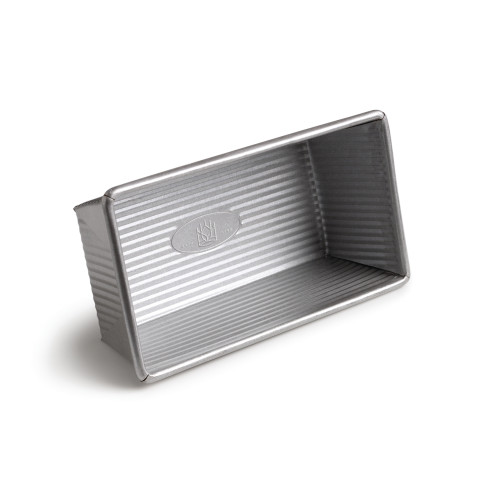
King Arthur Standard Bread Loaf Pan
A standard 8 x 4-inch loaf pan for sandwich-style loaves, enriched breads and pan-baked sourdough. An everyday workhorse for bakers who want a classic loaf shape.
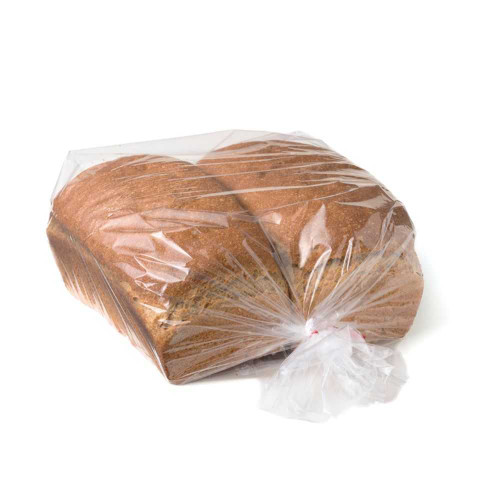
Double Bread Bags, Set of 100
A big pack of bags sized for bread loaves, handy for gifting, selling at a market or storing leftovers. A 100-count set will last most home bakers a long time.
Go deeper
One guide per decision: baskets, blades, scales, jars, storage, and what changes in a hot kitchen.
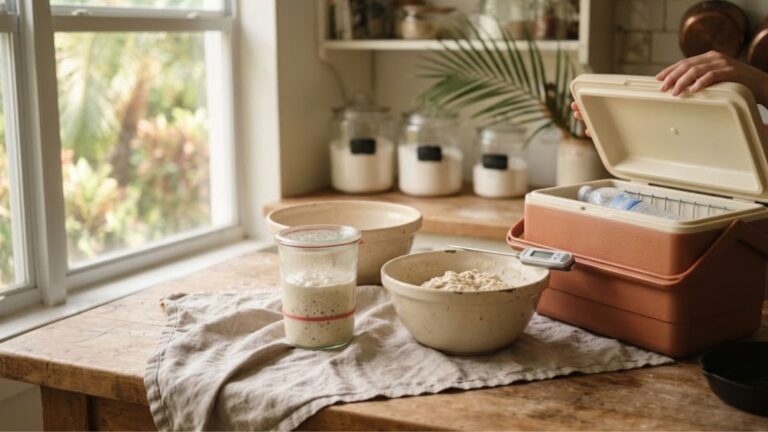
Sourdough in a Hot, Humid Kitchen
What changes when your kitchen is 79 degrees, and the gear that actually helps.
Read the guide →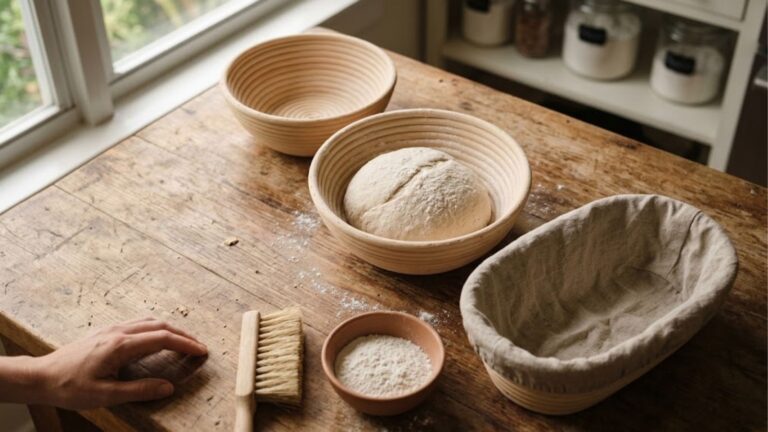
Banneton Sizing and Care
Size chart by dough weight, liners, and keeping mold out in wet air.
Read the guide →
Scoring Tools
UFO vs straight lames, left-handed options, and scoring sticky summer dough.
Read the guide →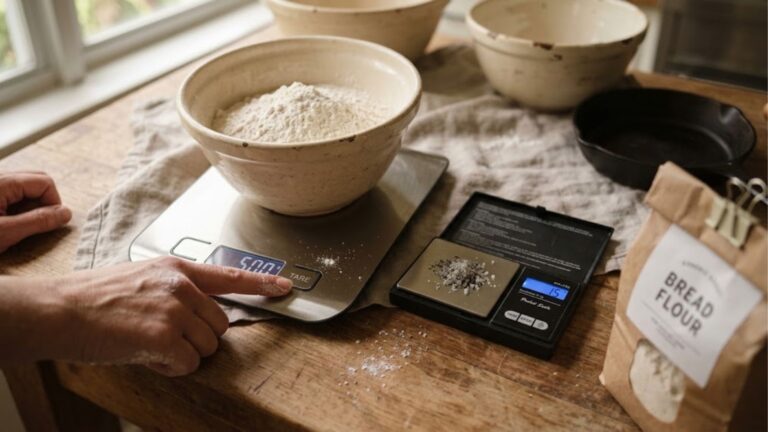
Kitchen Scales for Sourdough
The two-scale setup, the auto-off problem, and legal-for-trade scales for sellers.
Read the guide →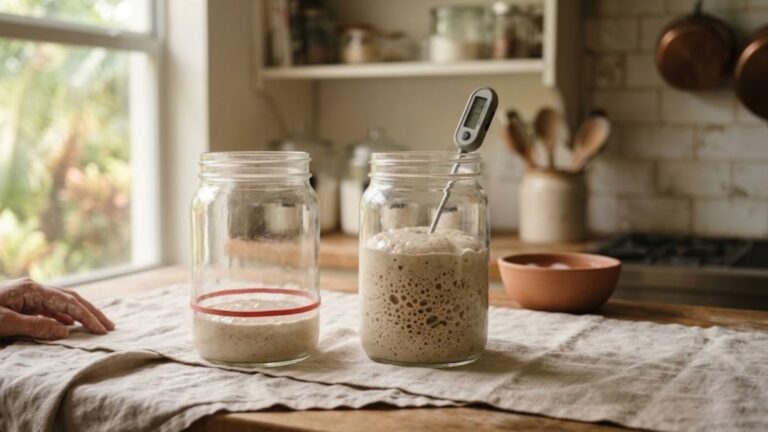
Starter Jars and Climate Control
The right jar, and why a Florida kitchen shops for cooling, not warming.
Read the guide →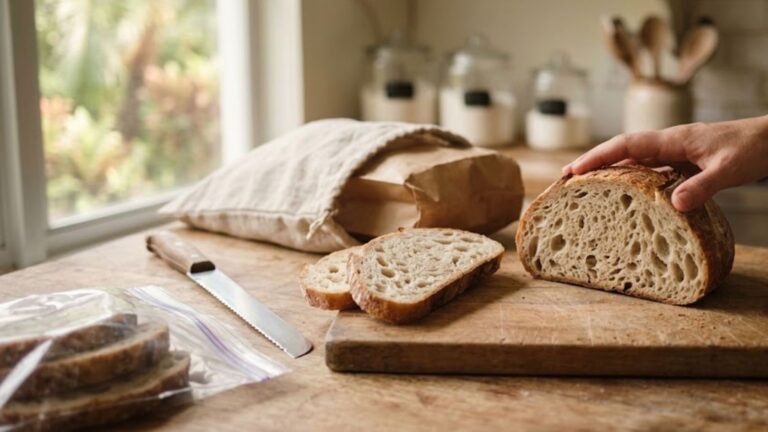
Storing Sourdough in a Humid Climate
Keeping crust and crumb mold-free in wet air, plus the bread knife that does not crush it.
Read the guide →
Pizza Stone vs. Baking Steel
Which one actually belongs in your oven, tested side by side.
Read the guide →Humid-Kitchen Notes
The full version of this section is its own guide: Sourdough in a Hot, Humid Kitchen: The Equipment That Actually Helps, with starter jars and climate control and storing sourdough in a humid climate alongside it. The short version: if your kitchen sits at 78 degrees F or warmer with the air conditioning running, a few of these tools behave differently than the northern guides suggest. Bannetons mold if they go back on the shelf damp: let them dry fully, brush them out, and never wash them with soap. Bare cast iron rusts between bakes unless it is oiled. Flour picks up moisture and the occasional pantry pest, so keep opened bags sealed in a bin or in the freezer. A fridge thermometer is worth more than a starter warmer here: your dough almost never needs help getting warm, it needs help slowing down. For the full picture, read why your starter behaves differently in Florida heat, the Florida heat sourdough schedule, and why sourdough goes soft or moldy in humid climates.
Wondering whether a humidifier or a hygrometer belongs on your list? Do You Need a Humidifier to Proof Sourdough? explains when one helps and how to check your own kitchen first.
Already Have Most of This?
Good. That’s most of what sourdough actually requires. For everything else we use and recommend, browse the full Shop, or if you are buying for someone else, the Sourdough Gift Guide. When something here breaks or a recipe needs a tool that is not on this list, the recipe’s own Equipment section says so.
Knead to Know?
New recipes and sourdough troubleshooting, delivered before your starter even finishes its next rise.
Get the latest insights with no spam, just new recipes and baking tips. Unsubscribe anytime. See our Privacy Policy.