Sourdough Spreading Instead of Rising Up? Here’s Why
On This Page
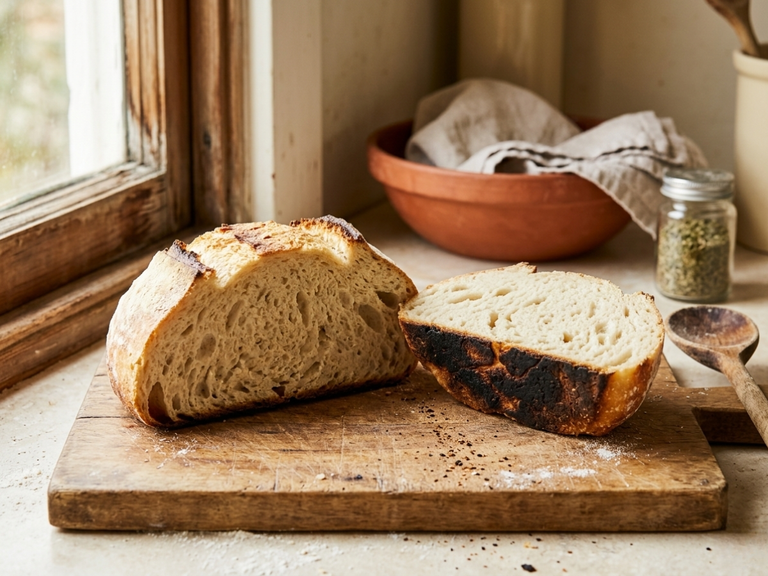
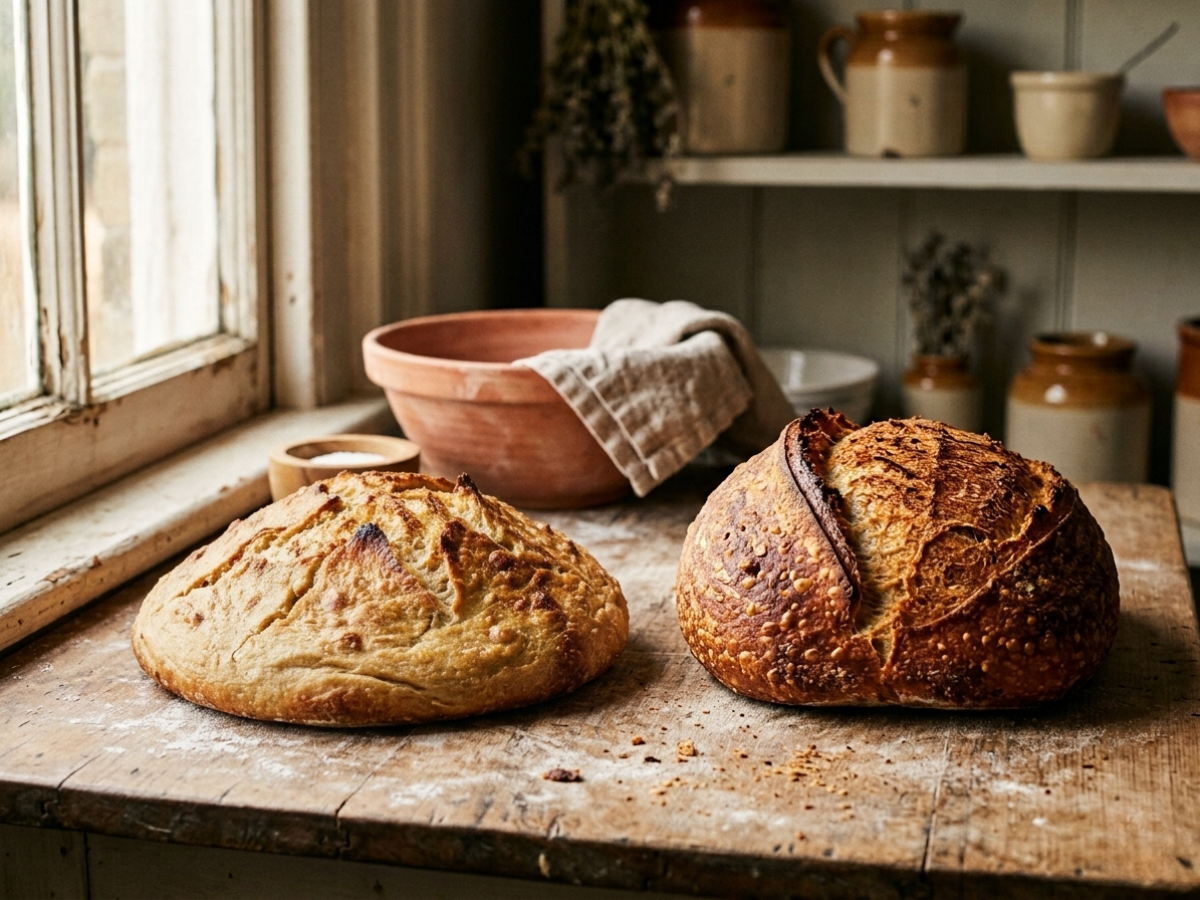
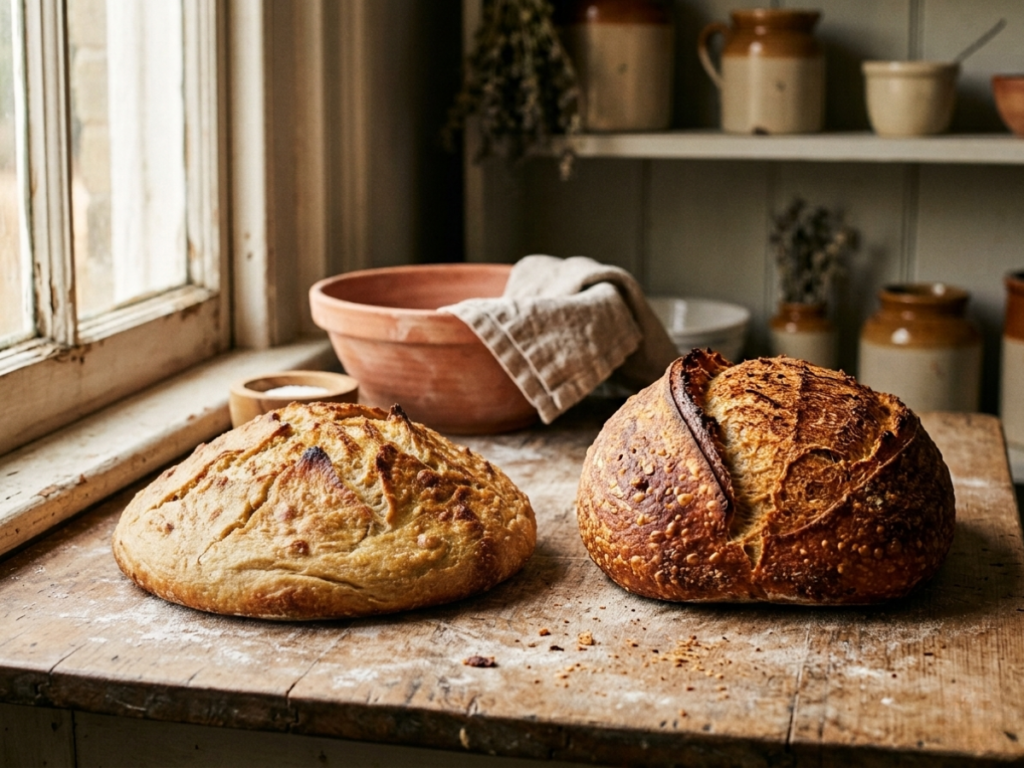
You shape a nice round loaf, you turn your back for the bake, and what comes out looks more like a pancake than a boule. This one’s frustrating, but it’s very fixable.
The Short Answer
A loaf that spreads instead of rising up is usually a sign of weak gluten structure from overproofing, loose shaping, or not enough strength built into the dough earlier in the process. Match your situation to the specific cause below to get a taller loaf.
What’s Going Wrong (and How to Fix It)
Problem #1
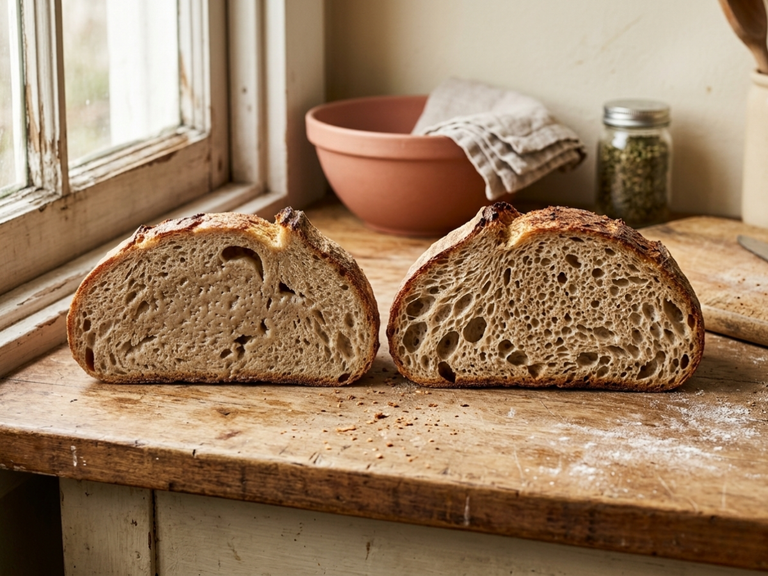
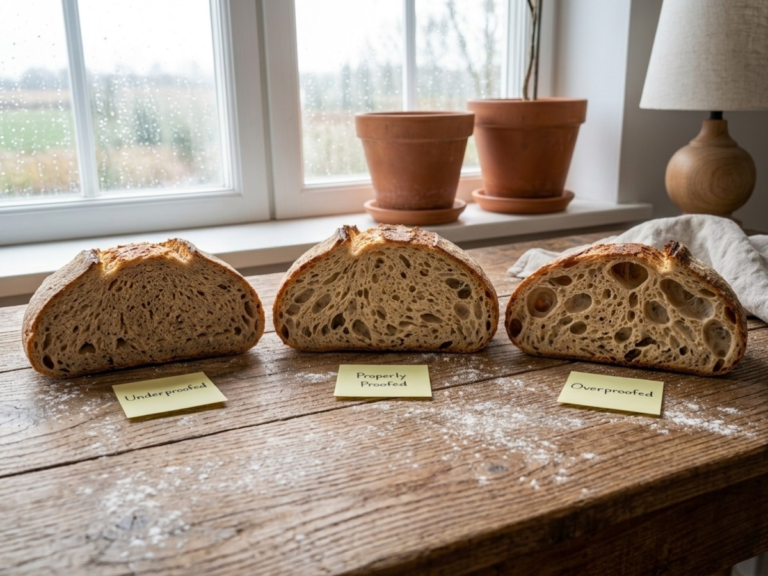
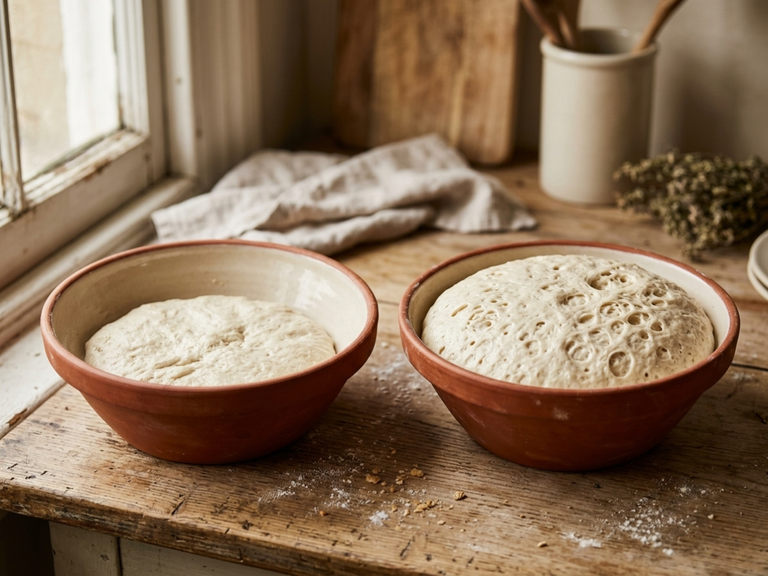
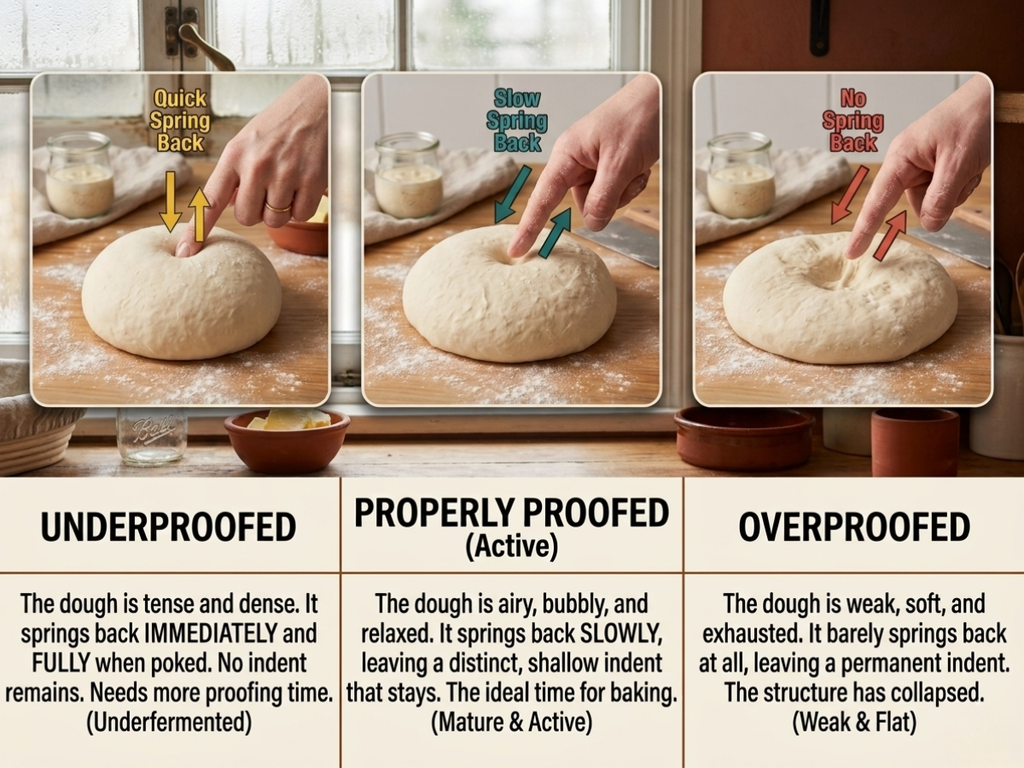
The dough was overproofed, so it no longer has the strength to hold its shape once it hits the heat of the oven
The Fix
Use the poke test to nail your proof timing rather than guessing, and pull it earlier next time
Problem #2
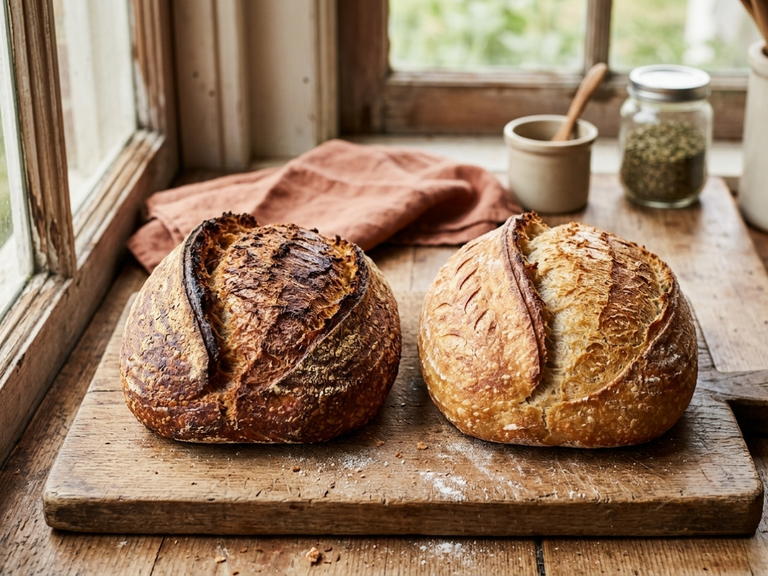
Shaping was too loose, without enough surface tension built into the outer skin of the dough
The Fix
Focus on your shaping technique, using the tension-building folds that create a tight outer surface
Problem #3
The dough never built enough strength during bulk fermentation itself, not enough stretch and folds in the first few hours, so even careful final shaping doesn’t have much underlying structure to work with
The Fix
Add more sets of stretch and folds earlier in bulk fermentation, not just at the final shaping step, so the strength is built into the dough throughout, not just on the surface
Problem #4
High hydration dough without enough gluten development can lack the structure to hold a tall shape
The Fix
Reduce your hydration slightly for a firmer dough, and still finish with a cold retard overnight in the fridge. The combination firms things up more than either step does on its own and helps the loaf hold its shape through the bake
Problem #5
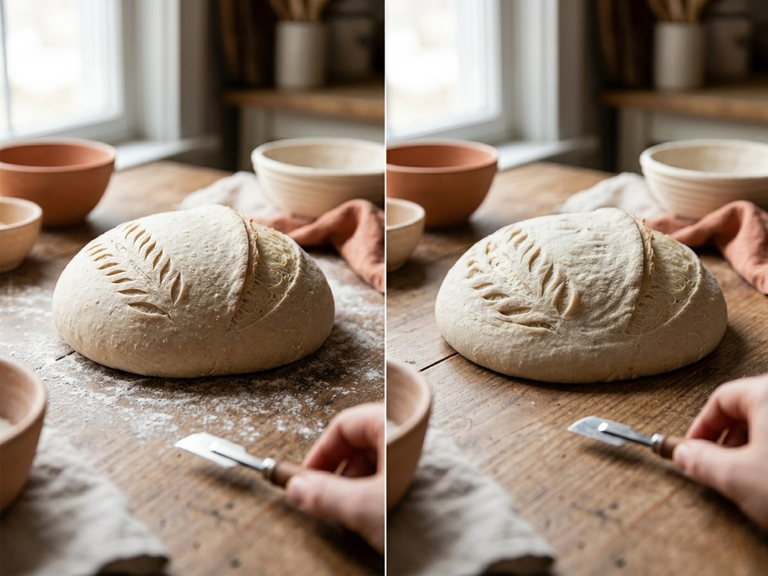
The loaf was scored too deep, or covered in a lot of decorative cuts along the sides to create a pattern, which can compromise the dough’s structural skin and cause it to spread or slump as it bakes
The Fix
Stick to one clean, confident score at roughly a 45-degree blade angle for your main cut. If you want decorative patterns too, keep those additional cuts very light and surface-level only, so they don’t cut into the dough’s structural skin the way your main score does
Desi’s Note
A loaf that spreads flat is still bread. It just won’t win any beauty contests. Tighten up your shaping and give it one more try before you write off the recipe entirely.
Want To Know The Science Behind This?
If you want the deeper “why” behind what fermentation actually does to gluten structure over time, check out our Sourdough Science article: “What Fermentation Actually Does to Your Flour (The Real Science, Not the Wellness-Blog Version)” click here →.
More Resources
For a printable reference, grab the Crumb & Crust Diagnostic Quicksheet.
Knead to Know?
New recipes, baking tips, and sourdough troubleshooting — delivered before your starter even finishes its next rise.
Get the latest insights, no spam — just new recipes and baking tips. Unsubscribe anytime. See our Privacy Policy.