Why Your Starter Behaves Differently in Florida Heat
On This Page
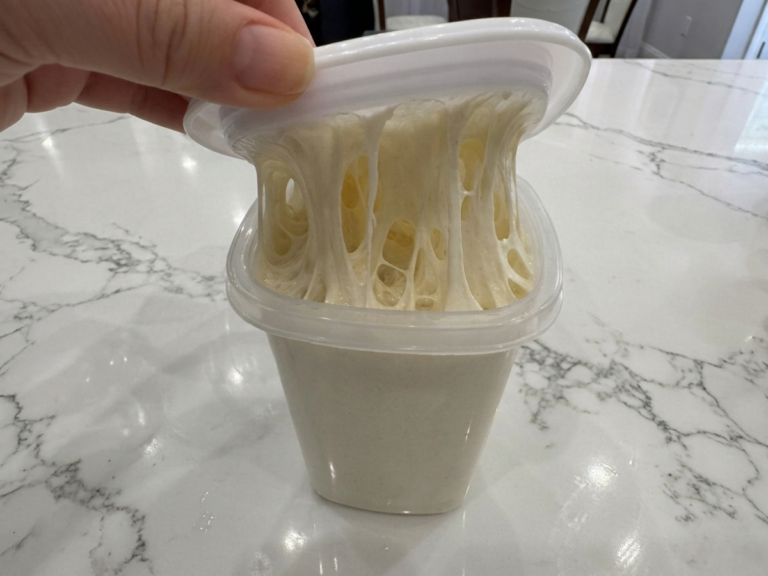
If you moved to Florida with a starter that behaved one way up north, or you started one here from scratch and it seems unusually fast and hungry, you’re not imagining it. Heat changes starter behavior more than almost any other single factor.
The Short Answer
Starters kept in Florida heat ferment faster, peak sooner, and can become overactive or exhausted between feedings compared to starters in cooler climates. Match your situation to the specific cause below rather than a generic feeding schedule.
What’s Going Wrong (and How to Fix It)
Problem #1
Wild yeast and bacteria activity accelerates directly with ambient temperature, and Florida kitchens frequently sit well above the 68 to 72°F range most starter guides assume
The Fix
Use a smaller ratio of starter to flour and water at feeding, something like 1:10:10 instead of a stronger everyday ratio, which slows the whole cycle down slightly and gives you a wider window to catch peak activity
Problem #2
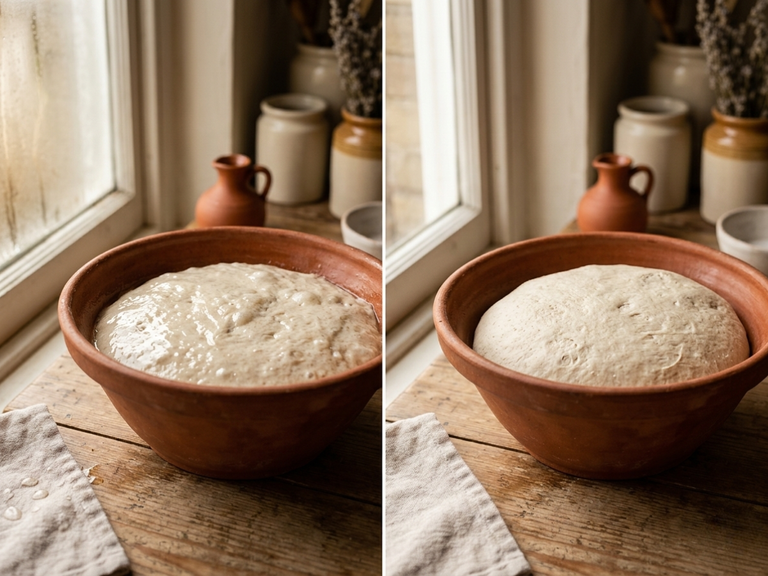
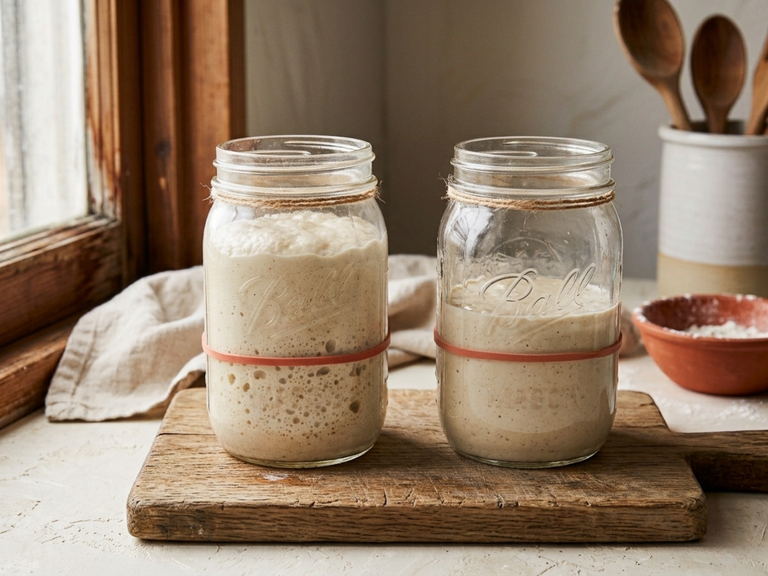
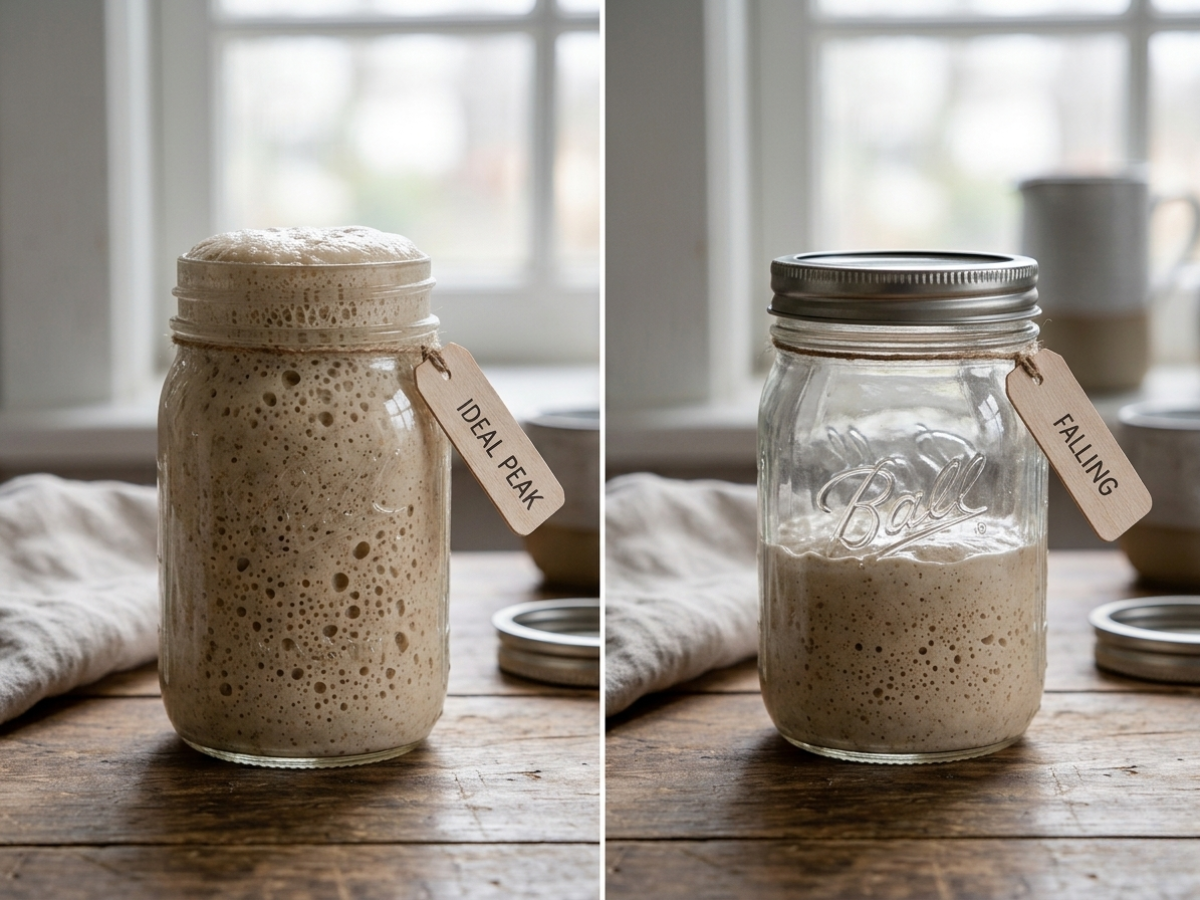
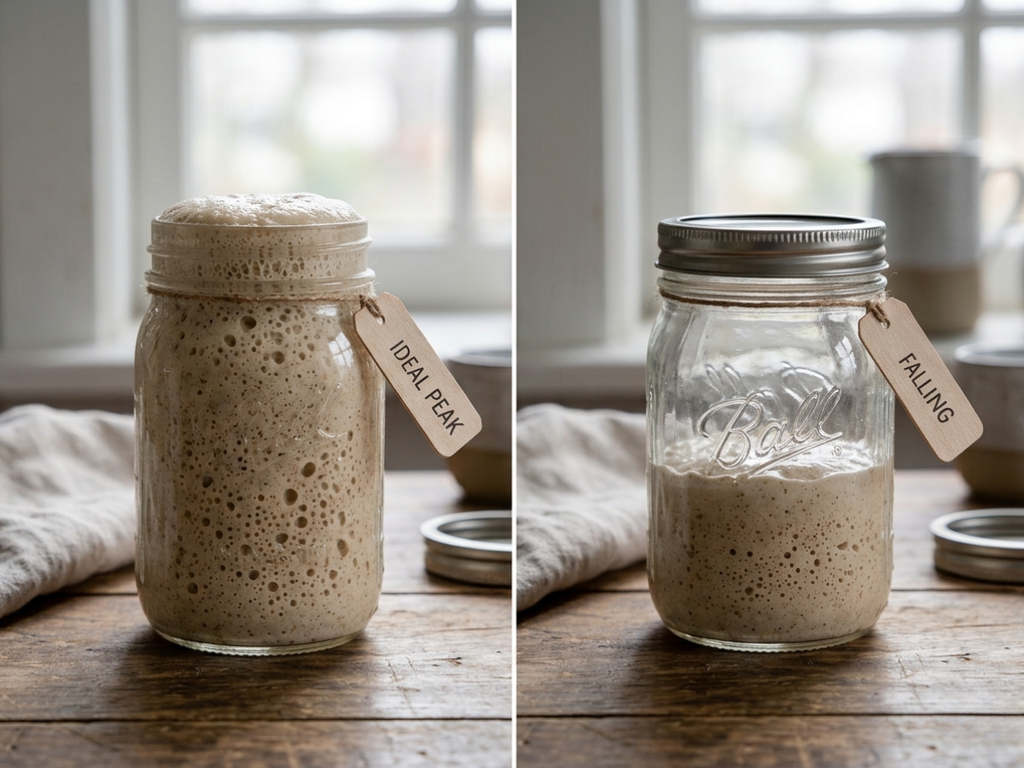
A starter that peaks in 8 to 10 hours somewhere cooler might peak in half that time here, meaning you can easily miss the ideal window if you’re following a generic timeline
The Fix
Check your starter more frequently through the day rather than assuming it will hold its peak for hours
Problem #3
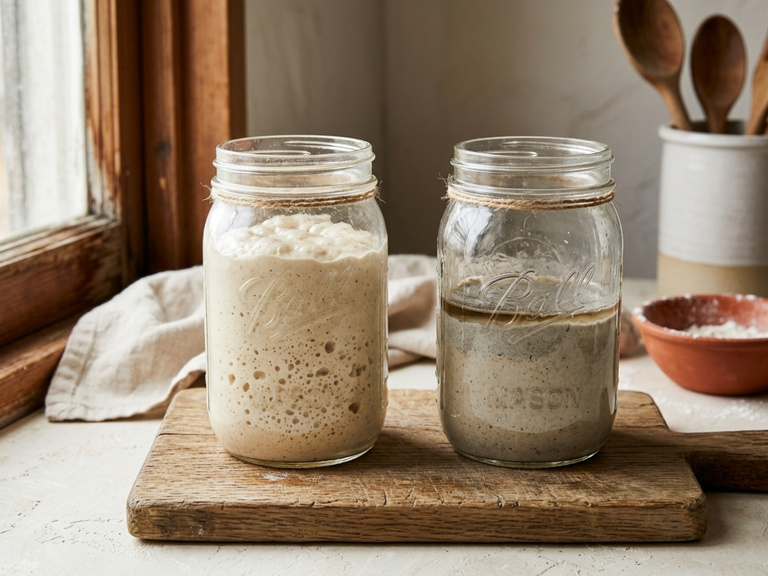
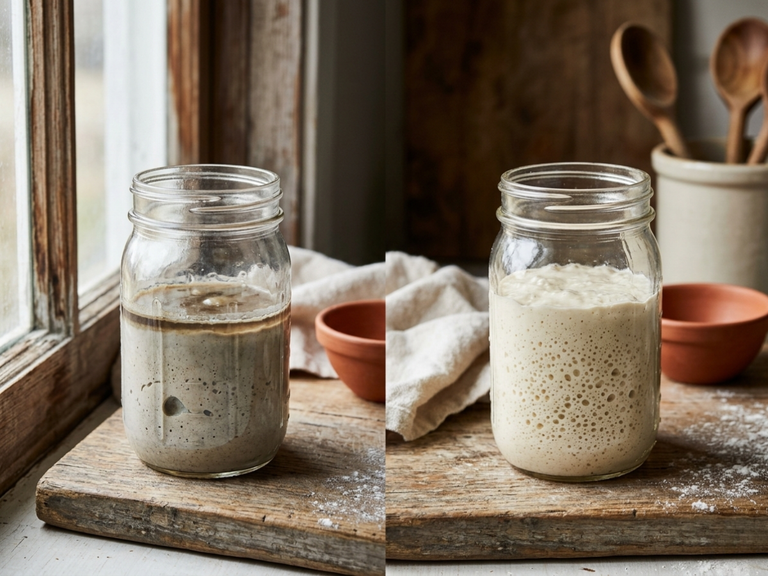
Starters can run out of food and start to fall or develop hooch faster
The Fix
Keep your starter in the fridge between bakes if you can’t keep up with an accelerated room-temperature schedule, and pull it out to warm up and feed a day or two before you plan to bake
Problem #4
Air conditioning cycling on and off throughout the day creates temperature swings that a starter in a more climate-stable environment doesn’t experience
The Fix
Find the most consistent spot in your kitchen, often away from windows and exterior walls, and keep your starter there
Desi’s Note
My starter runs on a different schedule than most of the recipes I originally learned from ever accounted for. Once I stopped fighting the heat and started working with it, everything got a lot more predictable.
Want To Know The Science Behind This?
If you want the deeper “why” behind how temperature accelerates fermentation biology, check out our Sourdough Science article: “Hydration and Climate: The Two Numbers That Actually Control Your Fermentation Time” click here →.
More Resources
Track every feeding with the free Starter Feeding & Discard Log.
Knead to Know?
New recipes, baking tips, and sourdough troubleshooting — delivered before your starter even finishes its next rise.
Get the latest insights, no spam — just new recipes and baking tips. Unsubscribe anytime. See our Privacy Policy.