Baking Sourdough in Humidity: What Changes and Why
On This Page
Almost every sourdough recipe online was developed somewhere cool and dry. I bake in South Florida, and I can tell you firsthand that following those recipes exactly, without adjustment, is a recipe for frustration. Humidity changes more than people expect.
The Short Answer
Humidity speeds up fermentation, adds extra moisture to your dough beyond what the recipe accounts for, and can make timing guides from cooler, drier climates unreliable. Expect faster rises and slightly stickier dough, and adjust your hydration and timing accordingly.
What’s Going Wrong (and How to Fix It)
Problem #1
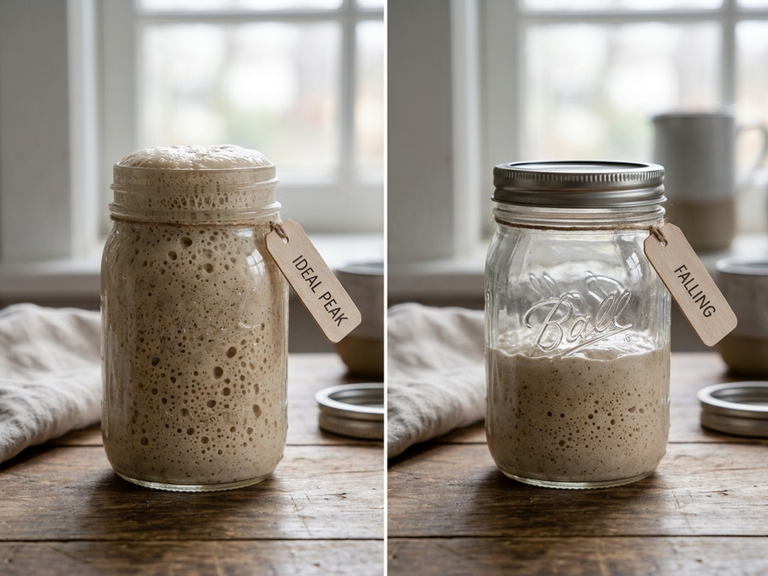
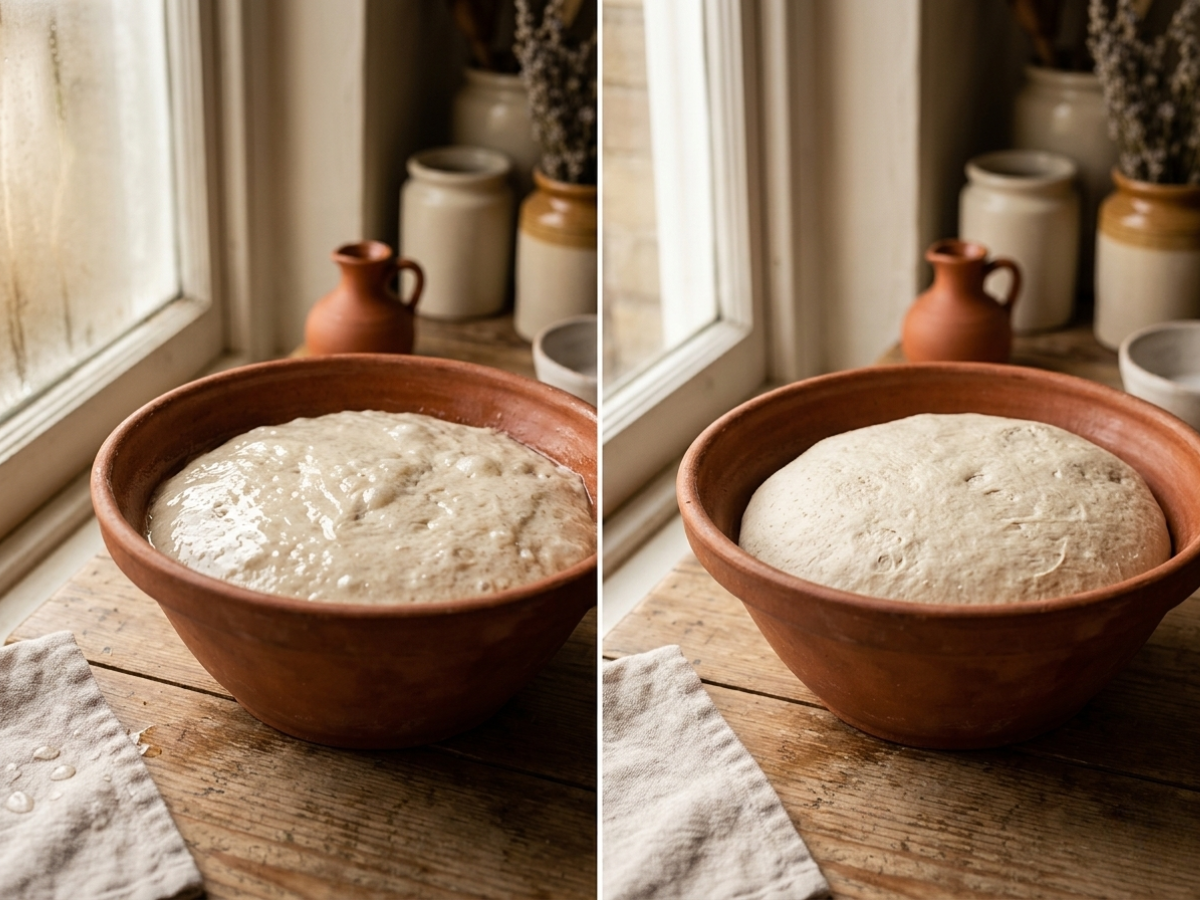
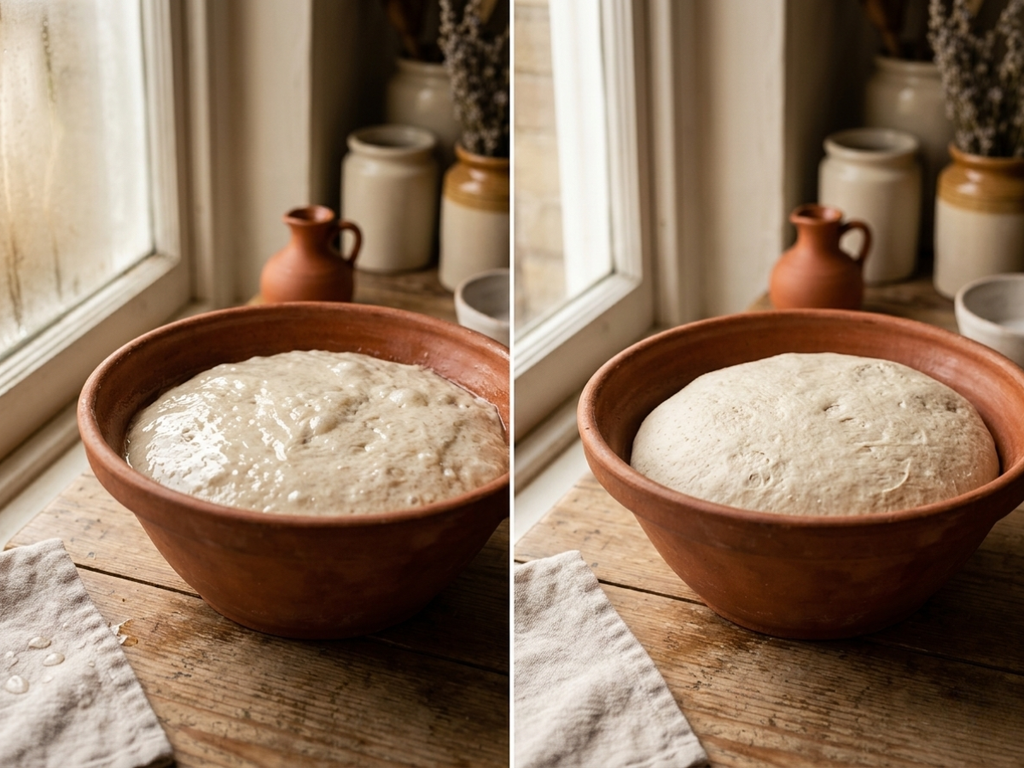
Fermentation speeds up significantly since both starter activity and bulk fermentation respond directly to ambient warmth and moisture, which means recipe timelines written for cooler, drier climates can run consistently faster here, sometimes by hours, not minutes, and dough left on a timer instead of watched directly can slide into overproofed territory fast
The Fix
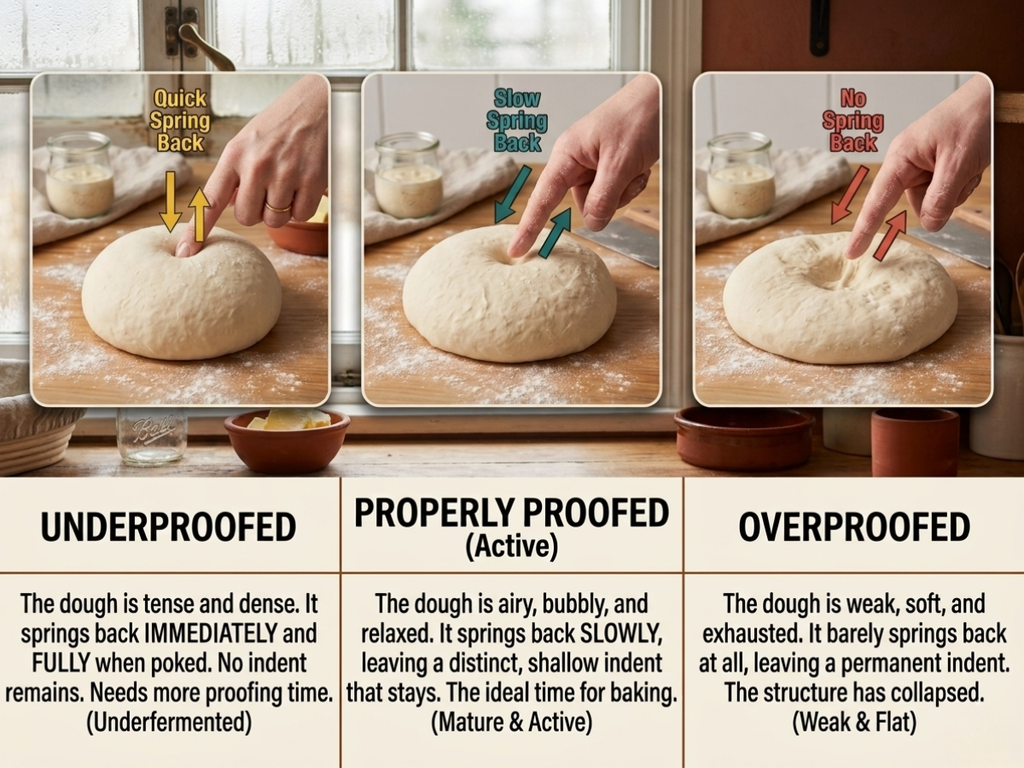
Treat every recipe’s stated proof time as a starting estimate, not a rule. Rely on the poke test and visual cues instead, move fermentation to a cooler part of your home or the fridge if you need more control, and bake earlier in the window than the recipe suggests
Problem #2
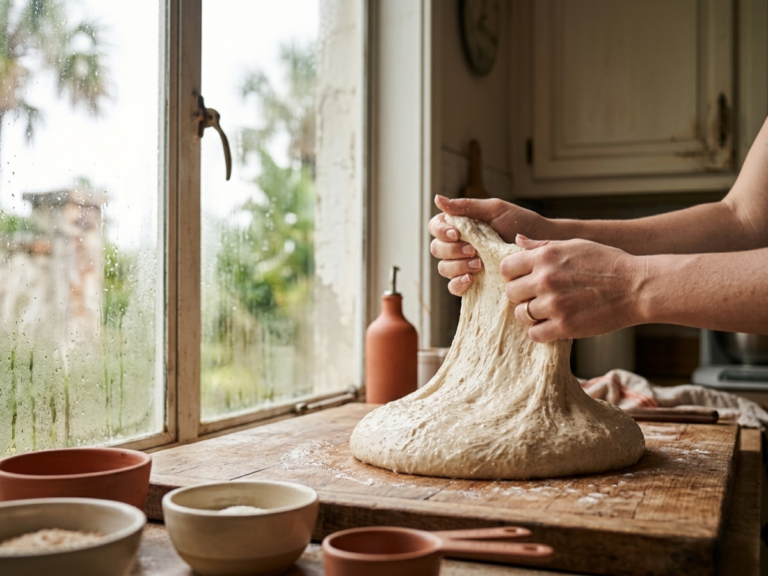
Flour absorbs ambient moisture from the air before you even start mixing, which effectively raises your dough’s hydration without you adding a drop of extra water
The Fix
Consider reducing hydration by a small amount if your dough consistently runs slack and sticky compared to the recipe’s description
Problem #3
Starters kept at room temperature can become overactive and hungry faster than a typical feeding schedule accounts for
The Fix
Feed your starter slightly more often if you keep it at room temperature, since it will burn through food faster in the heat. However, I strongly recommend keeping your starter in the fridge between bakes instead, and feeding it before you actually need to use it rather than every single day
Desi’s Note
Every recipe on this site gets tested in an actual South Florida kitchen, humidity and all, because a timeline written for a cool, dry climate somewhere else isn’t much use to you if that’s not where your kitchen is.
Want To Know The Science Behind This?
If you want the deeper “why” behind exactly how hydration and climate interact to control your fermentation time, check out our Sourdough Science article: “Hydration and Climate: The Two Numbers That Actually Control Your Fermentation Time” click here →.
More Resources
For a printable reference, grab the Bake-Day Timeline Template.
Knead to Know?
New recipes, baking tips, and sourdough troubleshooting — delivered before your starter even finishes its next rise.
Get the latest insights, no spam — just new recipes and baking tips. Unsubscribe anytime. See our Privacy Policy.