Some links on this page are affiliate links. As an Amazon Associate I earn from qualifying purchases. If you buy through a link I may earn a small commission at no extra cost to you. How I choose what to recommend
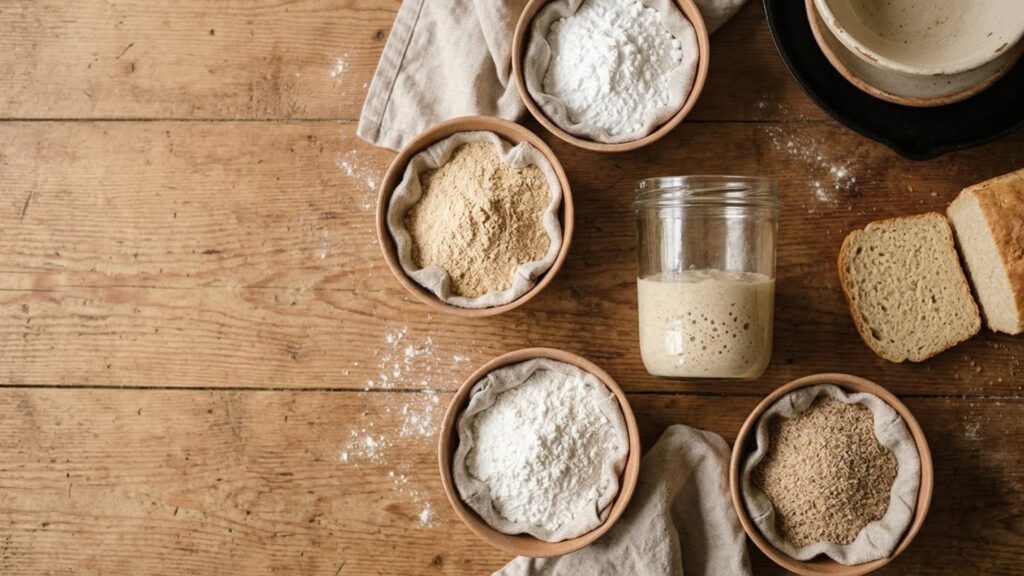
Gluten-free sourdough, built from gluten-free flour
Wheat sourdough leans on gluten for its structure. A gluten-free loaf has to get that structure somewhere else, so it needs a gluten-free starter and a method of its own. This track starts with the starter and builds from there to a pan loaf, with pancakes and a pizza crust alongside.
Every recipe in this track is research-backed, and the shared-kitchen note below applies to all of them.
Is sourdough bread gluten-free?
No. Traditional sourdough is made with wheat, and wheat bread contains gluten.
Fermentation does lower the gluten in wheat sourdough, and some people who are sensitive to gluten tolerate it better. It does not bring the bread down to the 20 parts per million that the United States uses as the line for a gluten-free label. Beyond Celiac advises people with celiac disease to skip traditional sourdough unless it is labeled gluten-free or made at home with a gluten-free starter and flours, and it points out that damage can continue even when you feel fine.
Gluten-free sourdough is a different thing. The starter, the flours and the bread all come from gluten-free grains, which is what this track covers. Our wheat recipes are not a gluten-free option, and swapping a gluten-free flour into one of them does not work. The Sourdough Substitutions Guide explains why.
Start with the starter, then bake
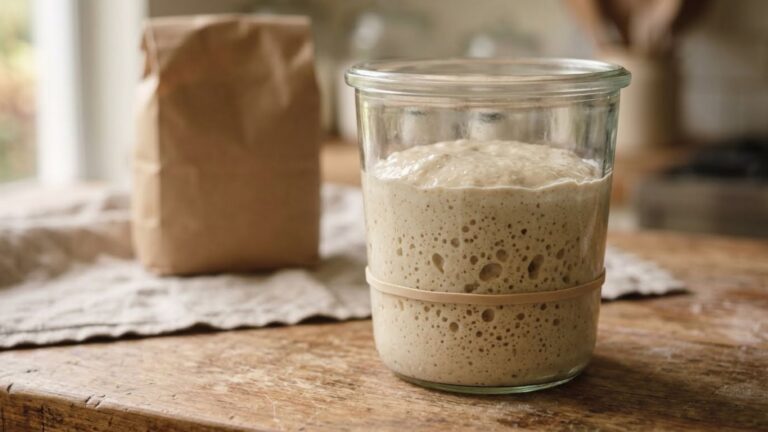
About a week, sometimes up to two, from rice flour and water to a starter that doubles on schedule.
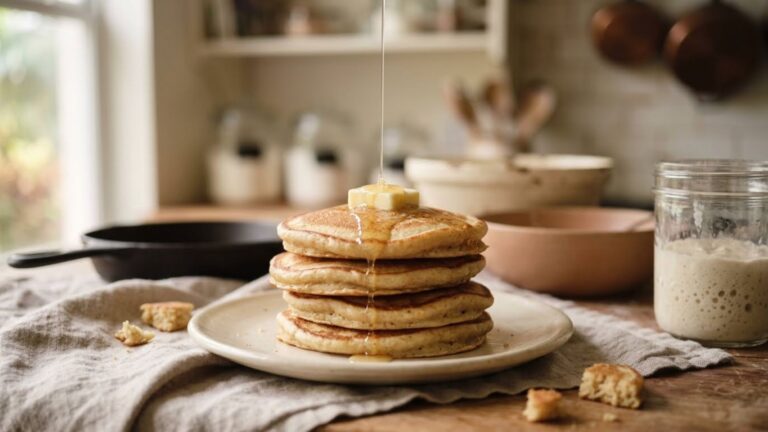
A good use for discard, with eggs for structure and a small rice flour blend for a tender crumb.
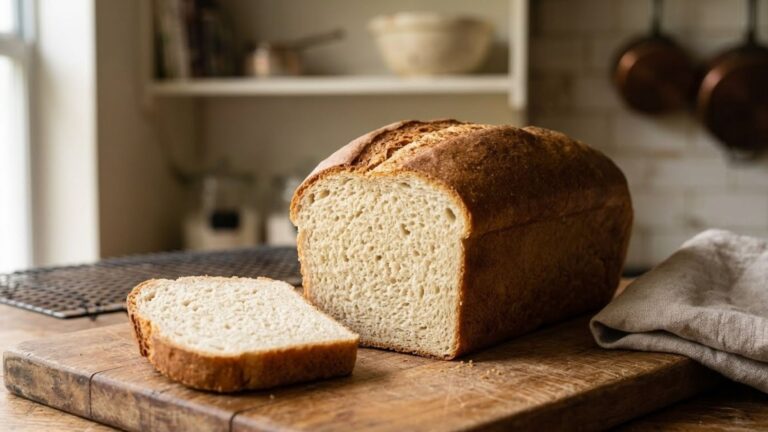
A sandwich-style loaf built on brown rice and sorghum, with psyllium doing the work gluten normally does.
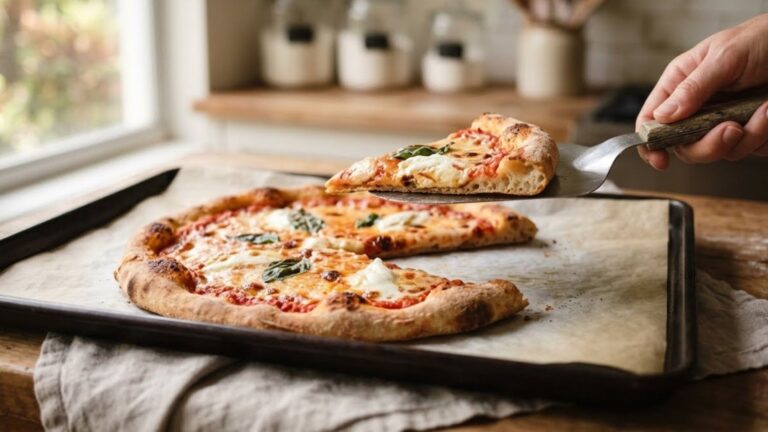
A par-baked crust that takes active starter or discard and crisps on a hot pan.
How gluten-free dough behaves
Gluten-free dough is a thick batter. You do not knead it and you do not stretch and fold it. A shorter first rise, a puffed look instead of a doubled one and a thermometer in the center of the loaf replace the cues you use for wheat bread.
The most common complaint with gluten-free loaves is a gummy middle. Too much starch in the blend and an underbaked center cause most of it, and slicing the loaf while it is still warm finishes the job. The loaf recipe in this track keeps starch low, bakes to 205 to 210°F in the center and asks you to wait two to three hours before slicing.
A gluten-free starter also behaves differently. It looks less bubbly and less springy than a wheat starter, and that is normal. It usually needs feeding more often once it goes into the refrigerator.
If celiac disease is involved
Cross-contact is the risk to plan for. Flour dust travels farther than most people expect, and a sponge, a scale, a sieve or a shared jar can carry enough gluten to matter.
If you bake gluten-free in a kitchen that also handles wheat, wash your tools, bowls and counters before you start, and keep your starter jar and flours on their own shelf. Use a separate scale, or wipe yours down first. A wooden spoon or a worn pan can hold onto flour, so give those up for gluten-free work if you can. Bake the loaf on clean parchment and keep it away from wheat crumbs while it cools.
None of this makes a shared kitchen celiac-safe. It lowers the odds, and you are the best judge of how much risk is acceptable.
Substitutions and questions
Wondering whether a wheat recipe can be made gluten-free? The Substitutions Guide and the FAQ both cover it. Want something sweet? The gluten-free cinnamon rolls run on the same starter.
Gluten-Free Flours and Binders
The flours and psyllium behind the pan loaf, pancakes and pizza crust
Desi Recommends
Bob’s Red Mill Brown Rice Flour (24 oz)
- 24 oz
A whole-grain flour milled from brown rice, with a mild, slightly nutty flavor. The package carries a gluten-free label. It feeds a gluten-free starter and serves as the main flour in a gluten-free pan loaf.
Desi Recommends
Bob’s Red Mill Sorghum Flour (22 oz)
- 22 oz
A mild, slightly sweet whole-grain flour that adds body and a softer crumb to gluten-free bread. The package carries a gluten-free label.
Desi Recommends
Bob’s Red Mill Tapioca Flour (16 oz)
- 16 oz
A fine, starchy flour that gives gluten-free bread and rolls a lighter, chewier texture. It is also sold as tapioca starch, and the two are the same thing in baking.
Desi Recommends
Anthony’s Organic Whole Psyllium Husks (1.5 lb)
- 1.5 lb
- Organic
This whole-husk psyllium is the binder that gives a gluten-free loaf the structure gluten normally provides, and the organic bag is labeled gluten-free. Weigh it, because whole husk and psyllium powder measure very differently.
Desi Recommends
Bob’s Red Mill White Rice Flour (24 oz)
- 24 oz
A fine, light flour that keeps gluten-free pancakes and quick breads tender. The package carries a gluten-free label.
Desi Recommends
King Arthur Gluten-Free Measure for Measure Flour (3 lb)
- 3 lb
A certified gluten-free all-purpose blend that replaces wheat flour 1:1 in cookies, cakes, muffins, pancakes and quick breads. King Arthur does not recommend it as a 1:1 swap in yeasted breads or pizza. In a discard recipe, the discard has to come from a gluten-free starter for the result to be gluten-free.
Desi Recommends
King Arthur Gluten-Free Bread Flour (2 lb)
- 2 lb
A gluten-free blend made for yeasted dough, with xanthan gum already in it. It contains gluten-free wheat starch and is made in a facility that also processes wheat, so ask your doctor first if you have celiac disease, and your allergist if you have a wheat allergy. It takes up more liquid than wheat flour, so use it in recipes written for it rather than swapping it into a wheat recipe.