Reading Your Sourdough Crumb: What Fermentation Looks Like Inside the Loaf
Cut your loaf open and read the crumb. See how under-fermented and over-fermented sourdough looks inside, and what to change on your next bake.
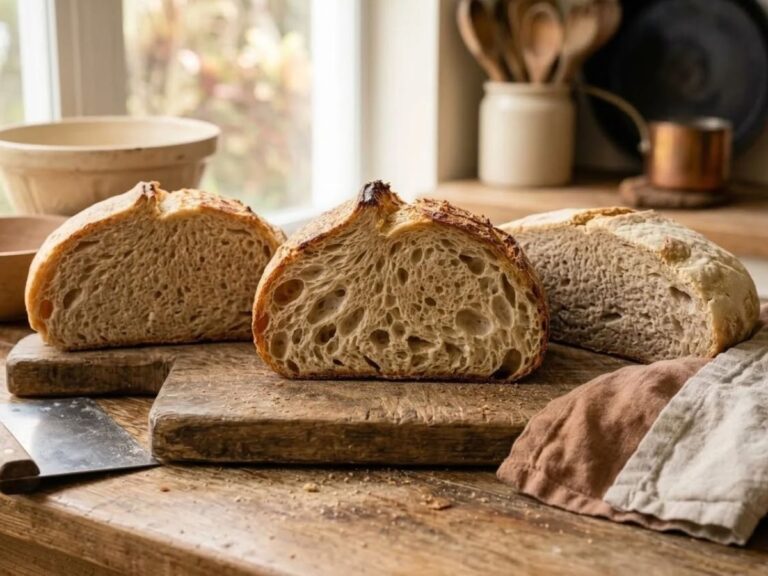
Cut your loaf open and read the crumb. See how under-fermented and over-fermented sourdough looks inside, and what to change on your next bake.
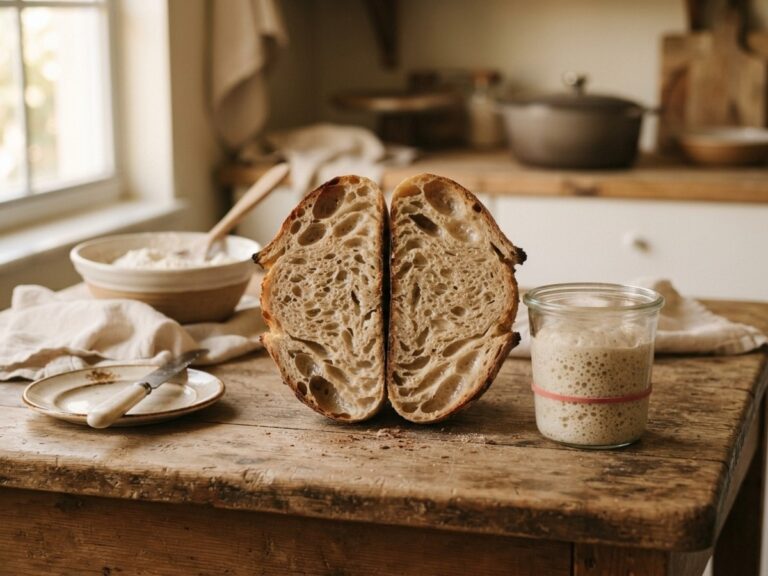
Two bakers, same starter, same recipe, same Saturday morning, and one loaf comes out mellow enough for a picky seven-year-old, and the other could pass for a vinaigrette. I get versions of this message constantly: “I followed the recipe exactly, why does my sourdough taste so different from last week?” The honest answer is that sourness isn’t one dial. It’s two.
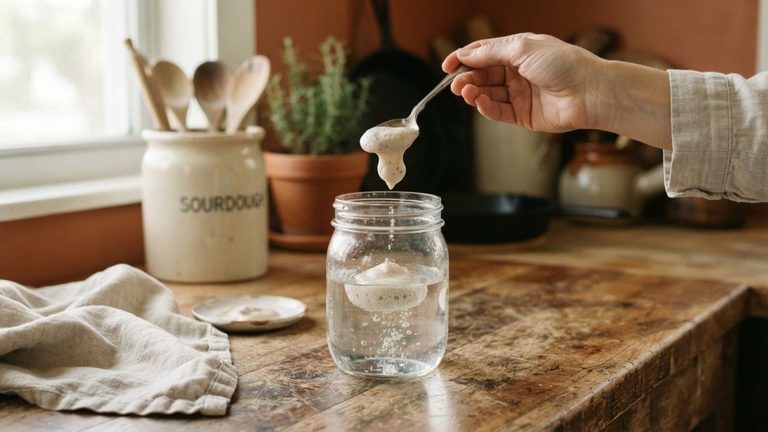
Every beginner guide tells you to drop a spoonful of starter in water and watch what happens. King Arthur’s own bakers tested that advice and found it fails. Here’s the science of why, and the three signs that actually tell you your starter is ready.
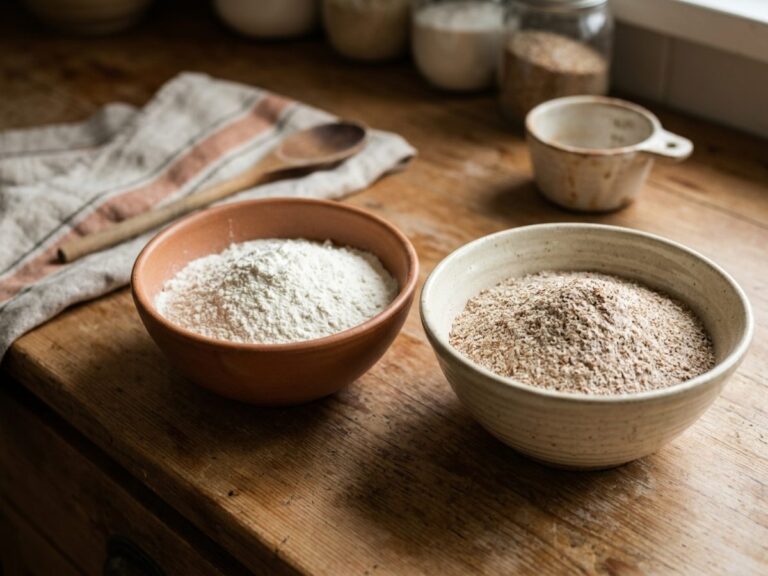
Skip the wellness-blog claims about fermentation. Here’s the actual science of what a long ferment does to phytic acid, gluten structure, and the carbohydrates in your flour.