

Lesson #2: Feed It, Watch It, Don’t Panic: Day 3 to Ready
Picking up where Day 1 and 2 left off, this is the stretch where your starter actually starts to show up.

Picking up where Day 1 and 2 left off, this is the stretch where your starter actually starts to show up.

The first two days of building a sourdough starter from scratch: flour, water, a jar, and a little faith.
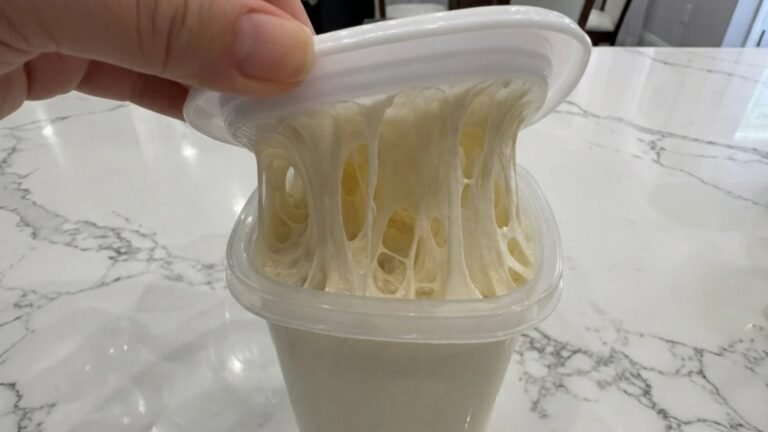
Built with nothing but flour and water in a muggy South Florida kitchen, no commercial yeast, no fuss. Follow the exact two-ingredient method from day one to a starter that’s ready to bake with.
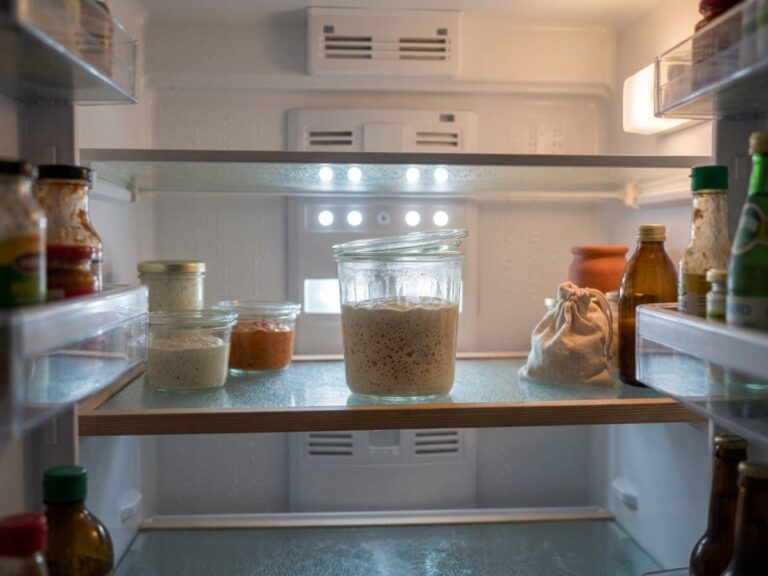
Now that you’ve built your own starter, gotten one from a friend, or bought one from a fellow baker, keeping it alive is the part nobody warns you about enough. I keep mine in the fridge, feed it exactly what I need for whatever I’m baking, and I have never once thrown a spoonful of it in the trash. Here’s exactly how I maintain mine, and how I bring it back when it’s gone further than I meant to let it.
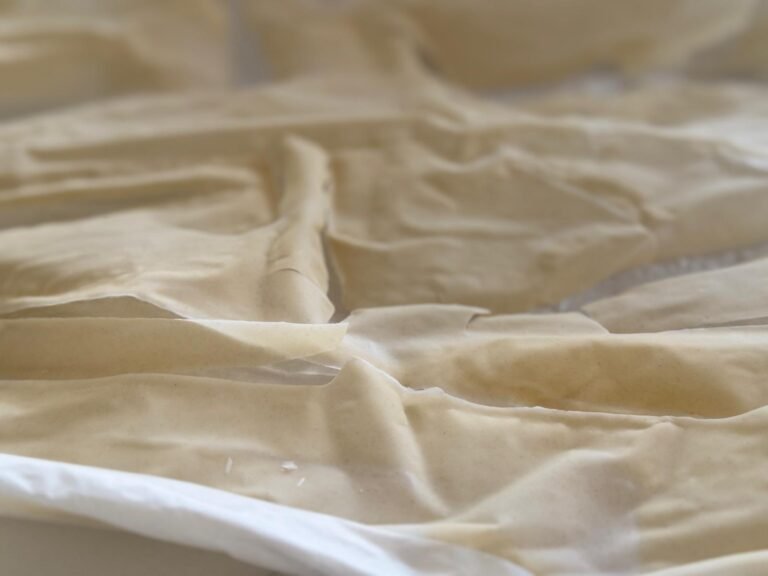
Sometimes you end up with more active starter than you actually need. Maybe you planned a big bake and scaled it back, or maybe you’re about to travel for work and won’t be near your kitchen for weeks. Either way, feeding a starter you’re not using, or trusting it to just sit forgotten in the fridge, isn’t your only option. Dehydrating it is, and it’s the method I reach for whenever I know I won’t be baking again soon.