Lesson #7: Your Starter’s Part of the Family Now: Keeping It Fed and Using the Extra
Seven days in, you've got a starter and a whole new skill. Here's how it lives on after this course ends.
You made it. Seven days in, you've got an active starter, a loaf or two under your belt, and honestly, a whole new relationship with flour and time. The starter doesn't retire once this course ends, it just shifts into upkeep mode. Here's how I keep mine going for the long haul.
Where Mine Lives Between Bakes
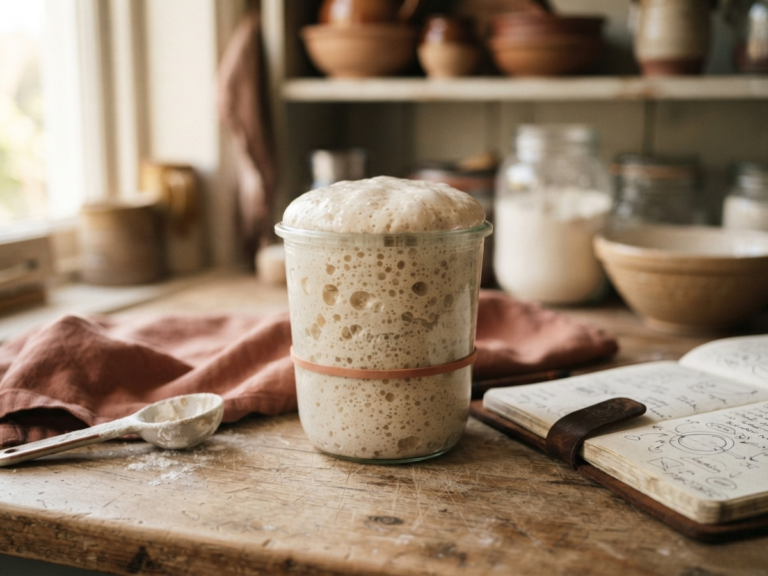
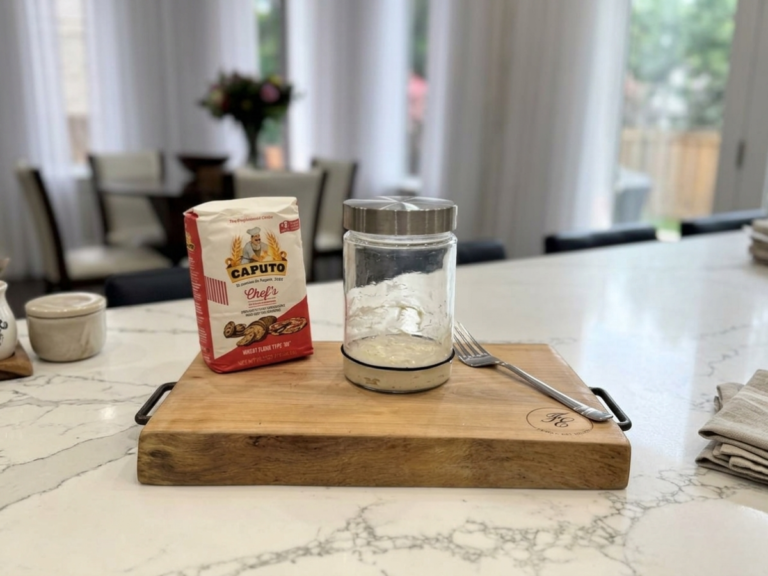
My kitchen runs hot and humid most of the year, so leaving a starter parked on the counter the way some guides suggest isn't realistic here, it would take off and get away from me. Mine stays in the fridge, and I only wake up as much as a given bake actually calls for. That way what's left after a feeding stays small instead of turning into a tub I have to babysit.
If you bake even less often than I do, the fridge does you an even bigger favor. One thing worth knowing: a starter doesn't fully stop working the second it hits the cold. It'll keep bubbling for a while, so give the jar some breathing room. An overfull, tightly sealed jar in the fridge is a mess you don't want to discover later.
Waking Up Just Enough
Rather than keeping a big, constantly fed starter going, I pull a small amount and build it up using a 1:5:5 or 1:10:10 ratio, whichever fits how much I need and how soon I need it. A smaller build (1:5:5) peaks faster. A bigger build (1:10:10) takes longer to get there but gives you a milder, less sour result and keeps your main jar from over-acidifying between bakes.
If It's Been a While
Leave a starter in the fridge for a couple of months and you'll probably find a thin, brownish layer sitting on top. That's hooch, alcohol produced by fermentation, and it's not a sign anything's wrong. Plenty of bakers pour it off. I stir mine back in instead.
Mold, or any pink or orange tinge, is a completely different situation. That's real spoilage, not hooch, and it means starting over with a fresh batch, no exceptions.
To bring a neglected starter back, I skip the usual approach of discarding most of it before feeding. Instead, I work in a spoonful or two of flour at a time until the whole jar thickens back up. That's just how I do it, the more common method is to discard down to a small amount first and feed from there, and both get you to the same place.
What Happens to the Extra
Active starter left over after a feeding or a bake doesn't get poured down the drain. It goes right back into the same jar in the fridge, joining whatever's already there. Once that jar has more volume than I actually need for upcoming bakes, that's when the extra becomes discard, and discard means recipes, not the trash.
Discard Recipes
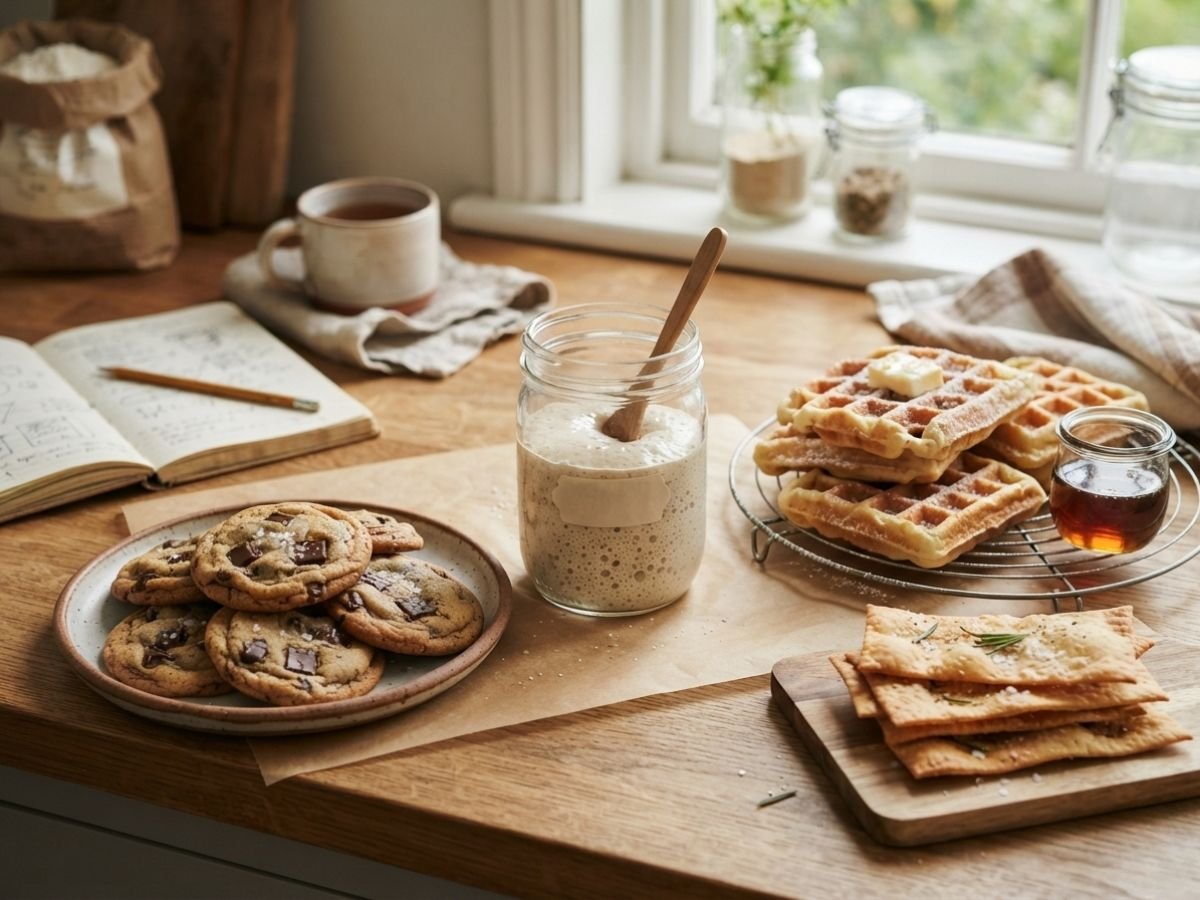
These use unfed starter, exactly the kind you'd otherwise be scraping out of the jar. A few of my go-tos:
Discard Chocolate Chip Cookies
I worked this one down to about a third of the sugar you'll find in most chocolate chip cookie recipes, and you honestly can't tell.
Discard Crackers
Think of these as a homemade take on the boxed cheesy cracker, minus the ingredient list you can't pronounce. Real cheese, real flour, nothing mysterious.
Discard Waffles
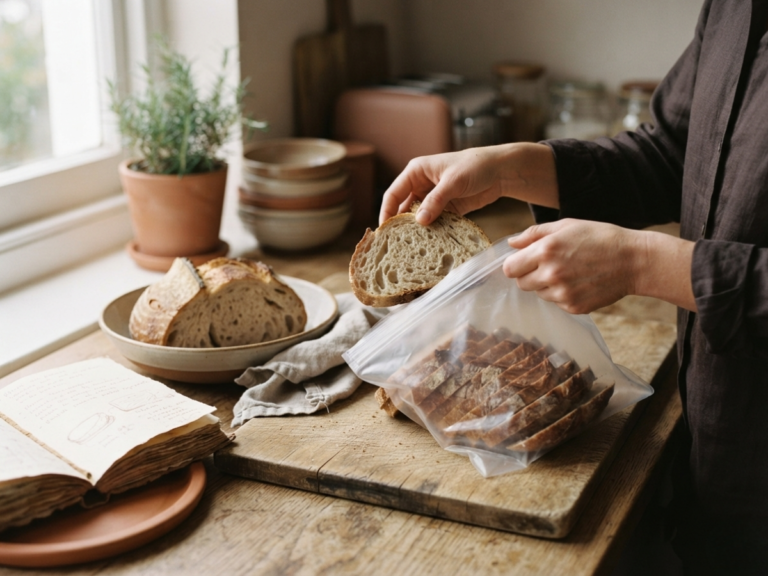
I make a big batch of these on the weekend and freeze what we don't eat right away. A couple minutes in the toaster and they're just as good as fresh, way better than anything from a box in the freezer aisle, and it means the discard never sits around waiting for a use.
This is really just the beginning. I'll keep sending recipes your way, and I still want to see what you're baking, come share it on the site whenever, good, bad, or somewhere in between, no judgment here.
More Resources
Looking for a printable reference? Browse all six Printable Quicksheets, or dial in your own numbers with the Sourdough Calculator.
Want to keep going deeper? Starter 101 has more foundational guides, and Sourdough Troubleshooting is there whenever something looks off.
Knead to Know?
New recipes, baking tips, and sourdough troubleshooting — delivered before your starter even finishes its next rise.
Get the latest insights, no spam — just new recipes and baking tips. Unsubscribe anytime. See our Privacy Policy.