Do You Need a Humidifier to Proof Sourdough?
A humidifier helps sourdough proofing only in a dry kitchen. In a humid, air conditioned room it usually does nothing, and here is how to tell which one you have.
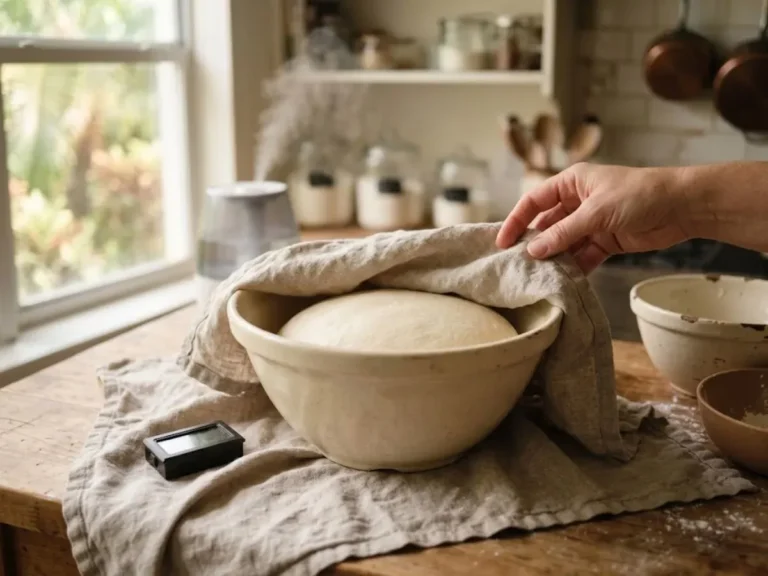
A humidifier helps sourdough proofing only in a dry kitchen. In a humid, air conditioned room it usually does nothing, and here is how to tell which one you have.
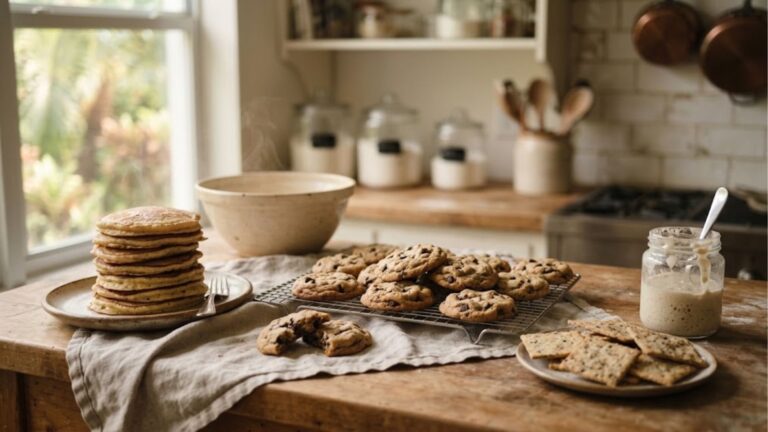
Discard recipes can taste too sour, bake up dense, spread flat or come out chewy. Match your symptom to the cause and fix pancakes, cookies and crackers.
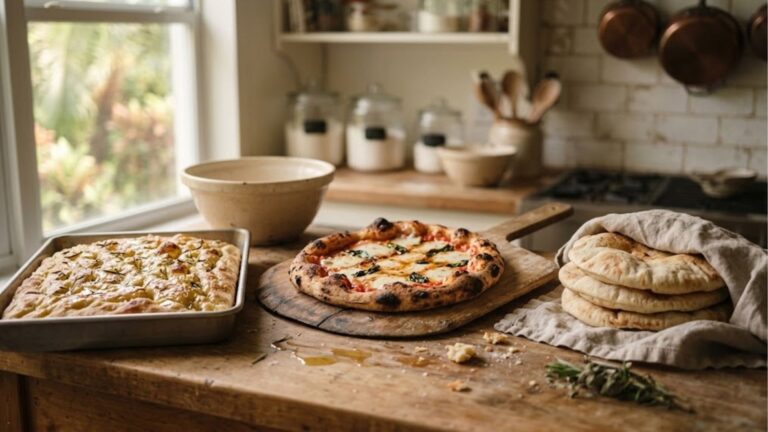
Pizza dough that shrinks, focaccia without bubbles, soggy centers and flatbreads that will not puff all have simple causes. Find yours and fix it.
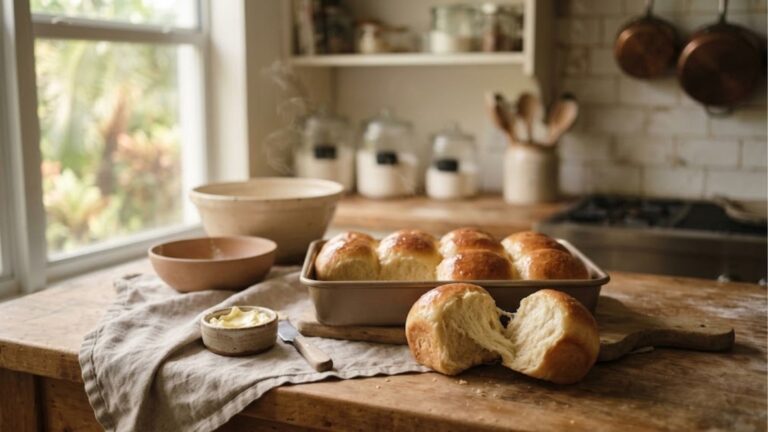
Butter, sugar, eggs and milk change how sourdough rises and bakes. Find your symptom and fix slow rises, dense rolls, greasy dough and dry crumb.
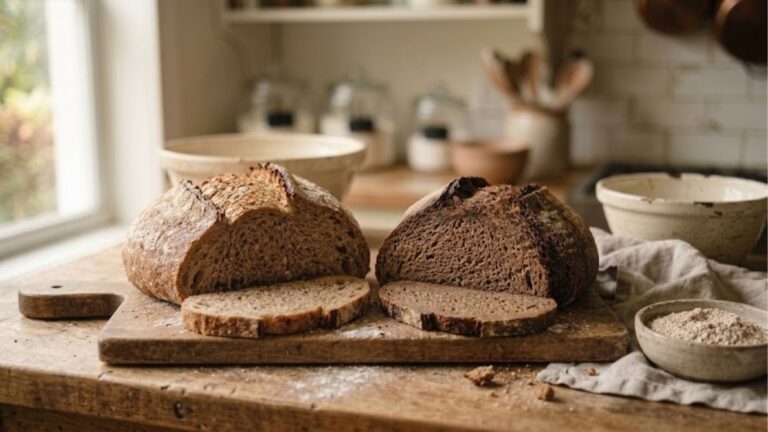
Whole wheat and rye break the rules white-flour bread follows. Match your symptom to the cause and fix a dense, dry, sticky or gummy whole-grain sourdough.
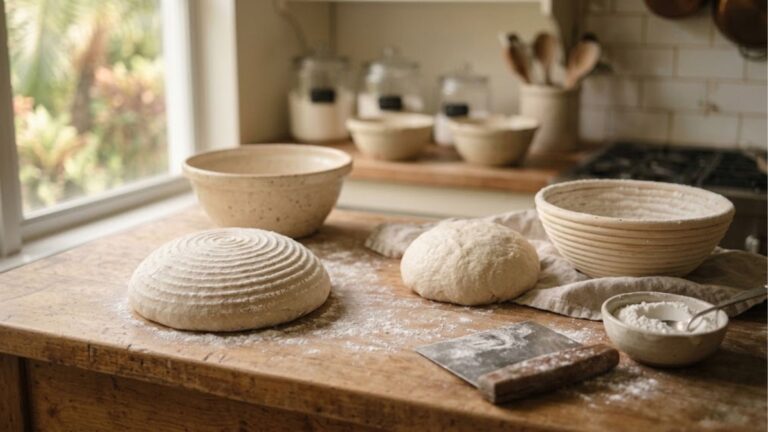
Dough that glues itself to the banneton, the bench and your hands is a rite of passage. Here is why it happens and how to shape and release dough cleanly.
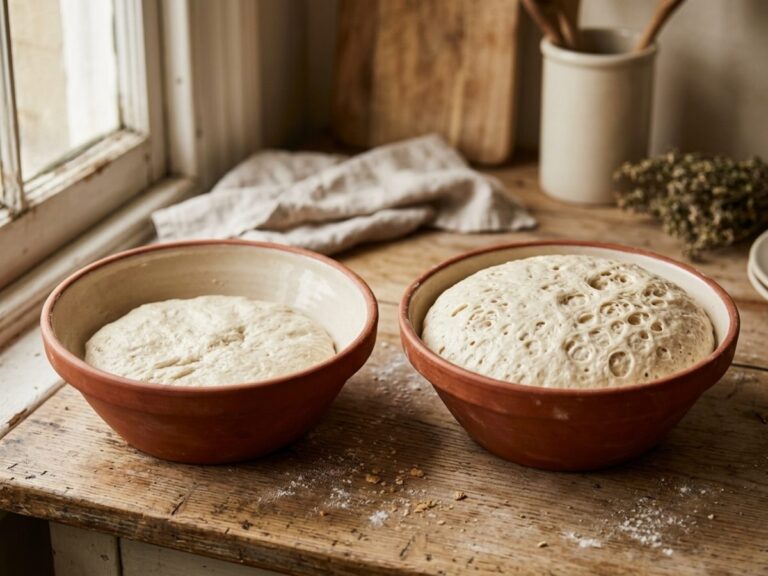
Dough not rising, loaf spreading flat, or deflating when scored? Learn to tell underproofed from overproofed and fix shaping, scoring, and timing.
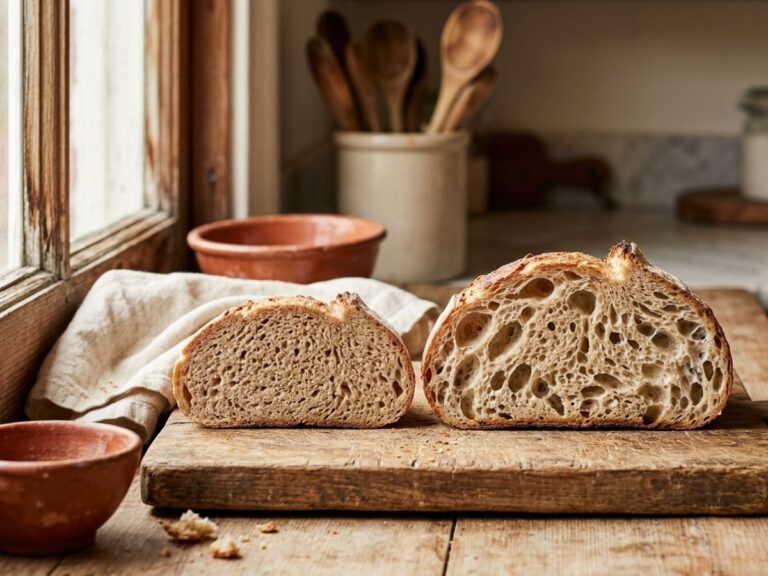
Dense loaf, gummy crumb, or sticky dough? Match your symptom to the cause and fix it, from fermentation time to hydration, folds, and cooling.
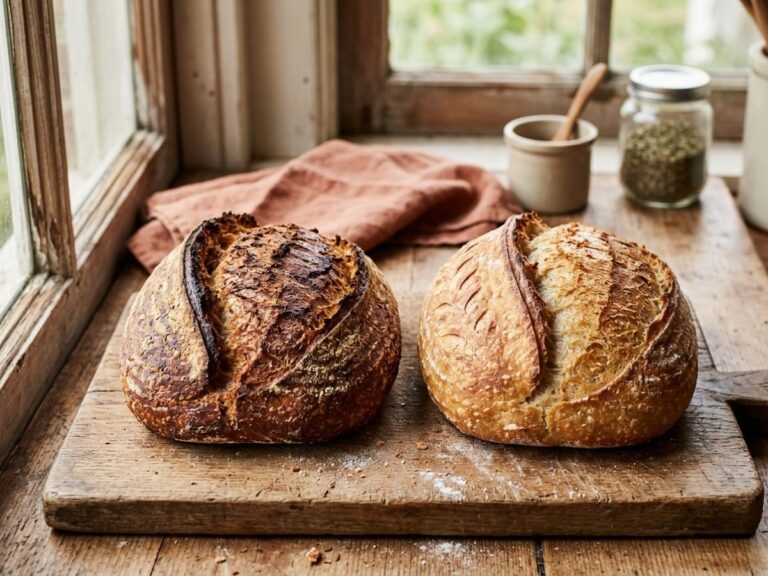
Why is your sourdough crust so hard or tough? Find the cause, from steam and oven heat to rack position, and fix a burnt bottom with a raw middle too.
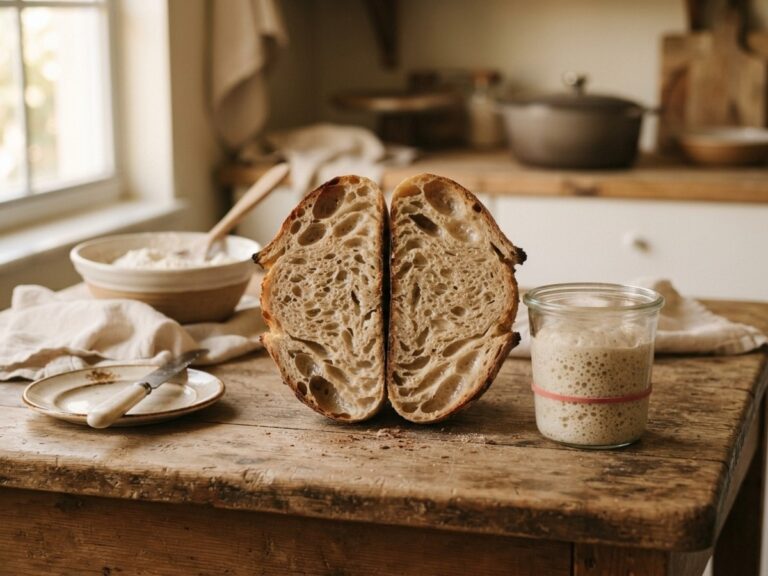
Two bakers, same starter, same recipe, same Saturday morning, and one loaf comes out mellow enough for a picky seven-year-old, and the other could pass for a vinaigrette. I get versions of this message constantly: “I followed the recipe exactly, why does my sourdough taste so different from last week?” The honest answer is that sourness isn’t one dial. It’s two.
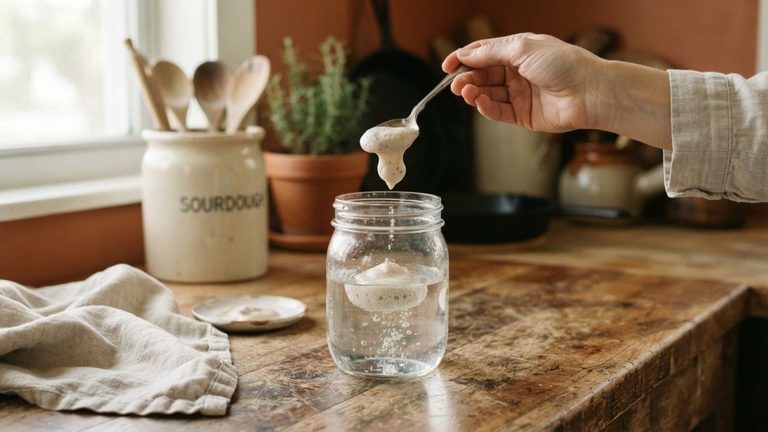
Every beginner guide tells you to drop a spoonful of starter in water and watch what happens. King Arthur’s own bakers tested that advice and found it fails. Here’s the science of why, and the three signs that actually tell you your starter is ready.