
Homemade Sourdough Breadcrumbs (Fresh or Toasted)
The last third of a sourdough loaf has a way of turning into a doorstop. Before you give up on it, turn it into breadcrumbs. Homemade sourdough crumbs have more flavor and crunch than the canned kind, and they cost almost nothing.
This recipe covers three versions: fresh crumbs for toppings and meatballs, dry crumbs for breading and gratins, and seasoned toasted crumbs for pasta and salads. All you need is a food processor, a baking sheet and about 35 minutes.
Why You’ll Love It
- Turns stale sourdough into something genuinely useful, with zero waste
- Far more flavor and crunch than store-bought crumbs
- Three versions from a single batch: fresh, dry and seasoned
- Keeps for weeks in the pantry or months in the freezer
- No special equipment beyond a food processor, or even just a box grater
Ingredients
Volume measurements are included for convenience, but they’re approximate. A kitchen scale will always get you a more consistent batch.
The bread does most of the work. Anything from a plain loaf to a seeded sourdough works, though very sweet or heavily flavored loaves will carry through into the crumbs.
- Day-old sourdough (300 g / about 8 slices): The drier the better, so a few days old is ideal. Crust and all goes in.
- Olive oil (15 g / 1 tbsp): Optional. Toss with the bread pieces for rich, toasty crumbs. Skip it for plain dry crumbs.
- Fine salt (1.5 g / ¼ tsp): Optional, for seasoned crumbs.
- Dried oregano or Italian seasoning (1 g / ½ tsp): Optional, for seasoned crumbs.
- Garlic powder (1 g / ¼ tsp): Optional, for seasoned crumbs.
Equipment
Gear guides: Sourdough Equipment Guide·Kitchen Scales·Banneton Sizing·Scoring Tools·Storing the Loaf·Pizza Stone vs. Baking Steel·Shop All Picks →
- Food processor: turns the toasted bread into even crumbs in under a minute. A blender or a box grater also works.
- Rimmed baking sheet: gives the bread room to dry out evenly in a single layer.
- Airtight jar or freezer bag: keeps the finished crumbs dry and fresh.
Sample Schedule
Day 1
- Tear the bread and spread it on a sheet
- Dry in a low oven for 20 to 25 minutes, stirring once
- Cool, then pulse into crumbs

Homemade Sourdough Breadcrumbs (Fresh or Toasted)
Method
- Preheat the oven to 300°F (150°C). Tear the bread into 1-inch pieces and spread in a single layer on a rimmed sheet, tossing with the oil and seasonings first for seasoned crumbs.
- Bake for 20 to 25 minutes, stirring once halfway, until completely dry, crisp and lightly golden. Add 5 minutes if the pieces still bend.
- Cool completely on the sheet, at least 15 minutes, so no steam stays in the crumbs.
- Pulse the cooled pieces in a food processor 15 to 20 times to the texture you like, shaking the bowl once or twice.
- For fresh crumbs, pulse soft day-old bread without baking, then use right away or freeze for up to 3 months.
Notes
Save This Recipe
Get it emailed to you now, plus new recipes as they go up.
Your email is safe with me. I’ll send this recipe straight over. No spam, ever. You can unsubscribe anytime.
How to Make It
1Preheat and prep. Preheat the oven to 300°F (150°C) with a rack in the middle. Tear the bread into rough 1-inch pieces, crust included, and spread them in a single layer on a rimmed baking sheet. A crowded sheet steams instead of dries, so use two sheets if the pieces overlap. For seasoned crumbs, toss the pieces with the olive oil, salt, herbs and garlic powder first.
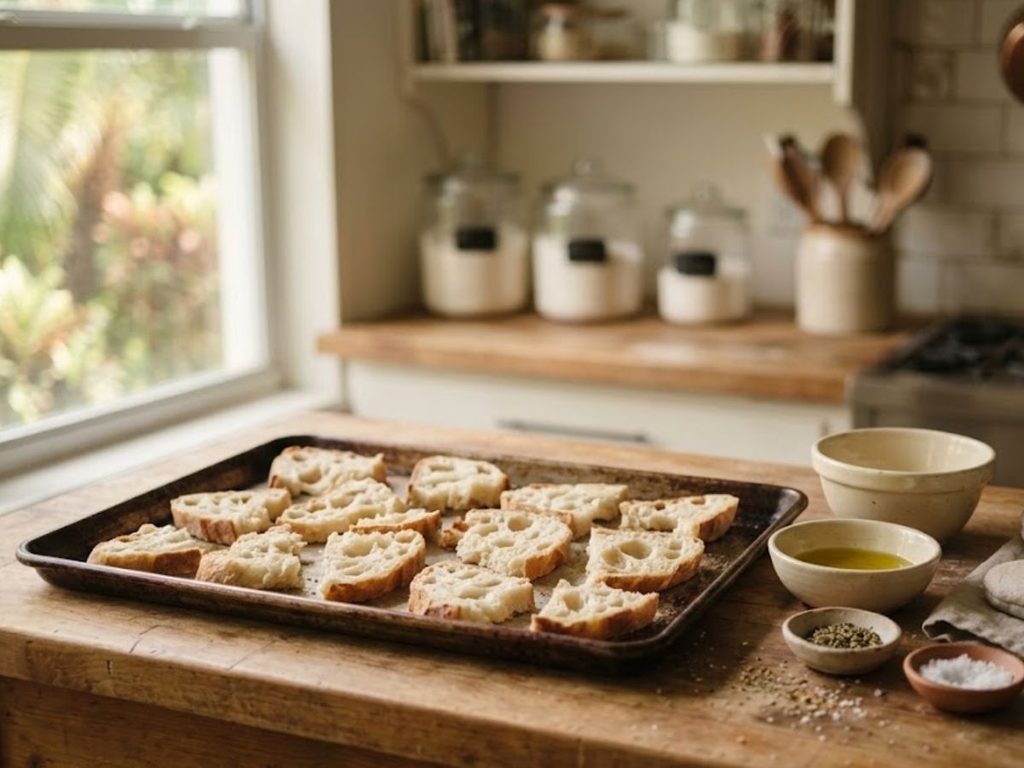
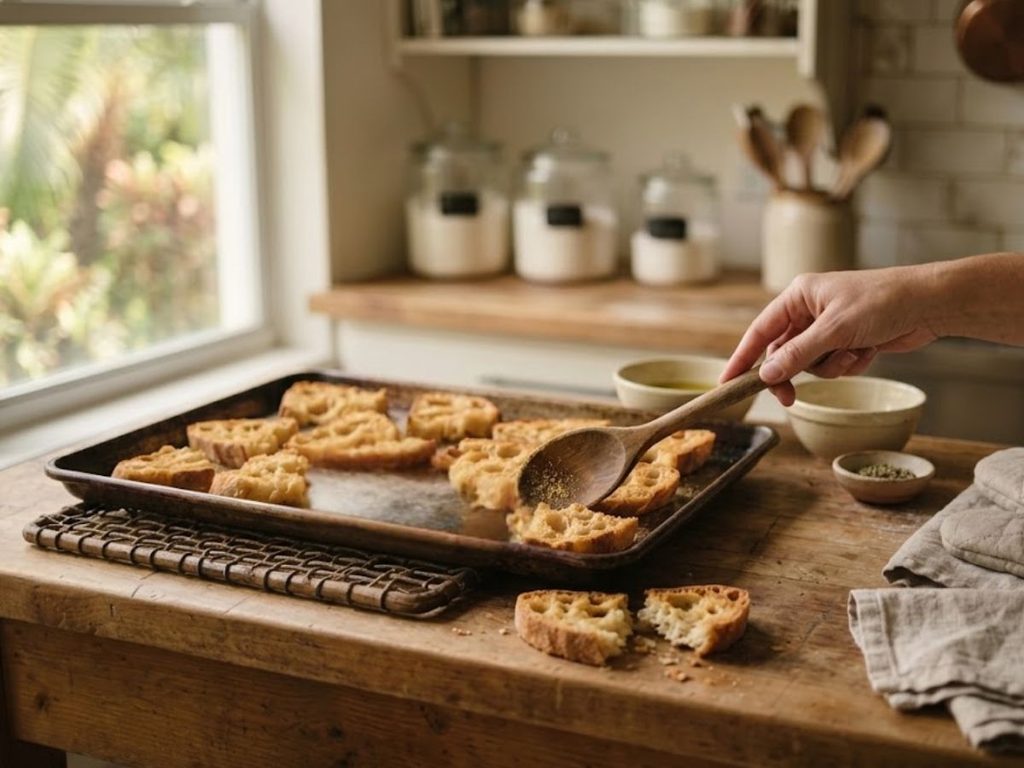
2Dry the bread. Bake for 20 to 25 minutes, stirring once halfway through, until the pieces are completely dry, crisp and lightly golden. They should snap cleanly when broken. If they bend, give them another 5 minutes. The goal is to dry the bread, not toast it dark, which is why the oven stays low.

3Cool completely. Let the bread cool on the sheet for at least 15 minutes. Warm crumbs trap steam and turn soft in storage, which is a bigger problem in a humid South Florida kitchen. Break one piece to check that it is dry all the way through.
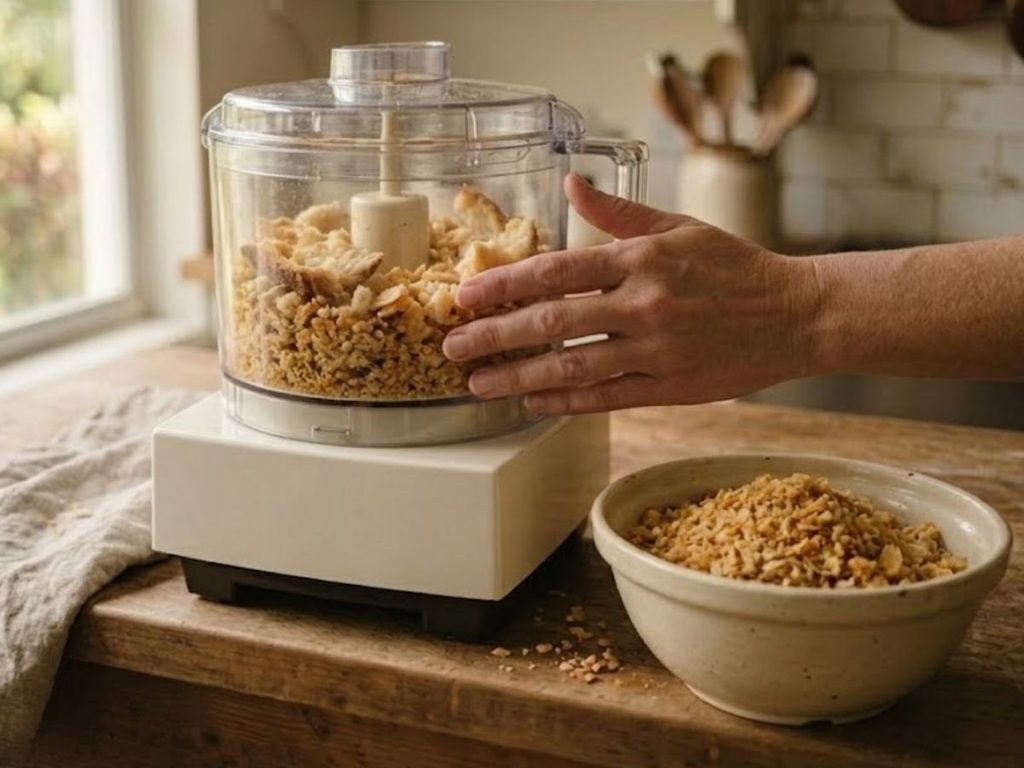
4Pulse into crumbs. Transfer the cooled pieces to a food processor and pulse 15 to 20 times, until the crumbs are as fine or coarse as you like. Stop and shake the bowl once or twice so the bigger pieces fall back into the blades. Fine crumbs suit coatings and binding, and coarse crumbs suit toppings.
5Make fresh crumbs (optional). For fresh crumbs, skip the oven. Pulse day-old, slightly soft bread straight in the food processor until crumbly, about 10 to 15 pulses. Use them right away, or freeze them in a bag for up to 3 months and use them straight from the freezer.

Tips & Troubleshooting
- Crumbs are chewy or soft: The bread was not dried through. Return the pieces to the oven for another 5 minutes and cool them fully before grinding.
- Crumbs taste bitter: They were toasted too dark. Keep the oven at 300°F and pull them when lightly golden, since they keep drying as they cool.
- Crumbs are uneven: Pulse in short bursts and shake the processor bowl between pulses. Sift out and re-grind any large pieces.
- Want panko-style crumbs: Use a coarser pulse and a lighter-textured loaf, and dry the pieces on a lower oven setting so they stay pale.
How to Store
To store: Keep the dry crumbs in an airtight jar in the pantry for up to 1 month. For longer storage, freeze them for up to 6 months.
To freeze fresh crumbs: Spread them on a tray, freeze for an hour, then bag them. Use straight from the freezer.
Nutrition
Nutrition values are estimates per 1/4 cup of seasoned crumbs and will vary based on exact ingredients used.
120
CALORIES
20
CARBS (G)
4
PROTEIN (G)
2.6
FAT (G)
0.4
SAT. FAT (G)
0.9
FIBER (G)
0.9
SUGAR (G)
270
SODIUM (MG)
Desi’s Notes
Use fresh crumbs for meatballs, meatloaf and toppings that go in the oven. Use dry crumbs for breading cutlets and fish. Toss the seasoned toasted crumbs over pasta, roasted vegetables or a salad instead of croutons.
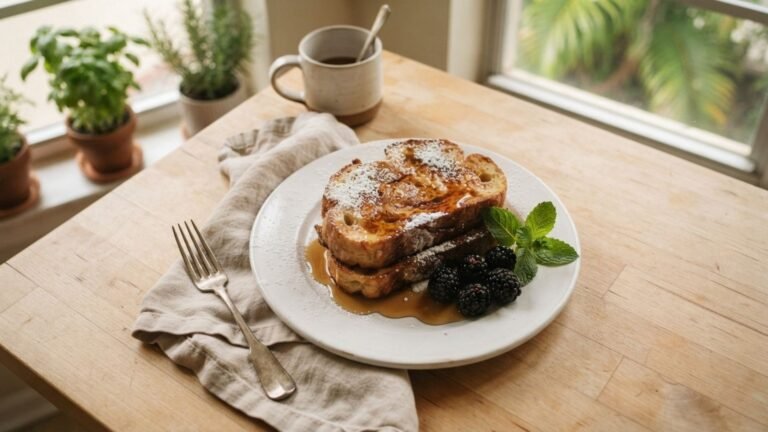
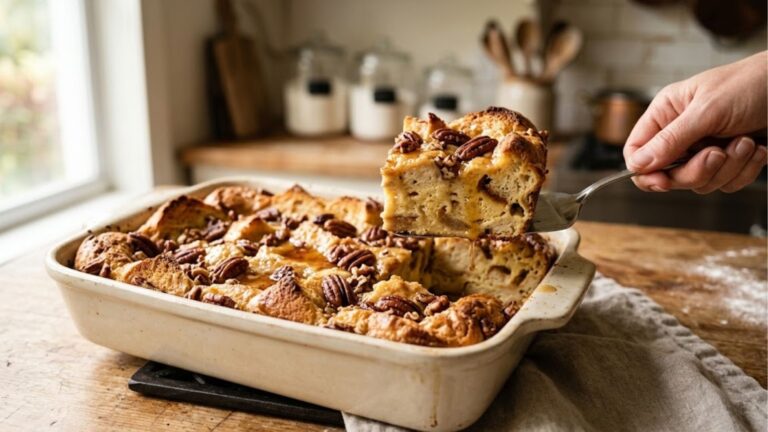
If you are looking for other ways to use up a stale loaf, try Sourdough Croutons, Sourdough French Toast or Sourdough Bread Pudding.
Before You Bake
Scaling this recipe up or down? Run your numbers through the Sourdough Calculator. And if you want a printable reference for troubleshooting or timing, browse all six Printable Quicksheets.
New to sourdough? Start with the free course
Seven short lessons over 12 days, from mixing your first starter to baking your first loaf with it. Stop anytime.
One short lesson every couple of days. Seven in all, then you’re done. No spam. See our Privacy Policy.
Already have a starter? Bake your first loaf → · Already baking? Browse recipes →


Tried this recipe? Leave a star rating below. It takes 10 seconds and helps other bakers decide what to make next.
Baked this recipe your way? Share it in Community Bakes and inspire other readers.