Can You Pause Sourdough Bulk Fermentation in the Fridge?
Yes, you can pause sourdough bulk fermentation in the fridge, and it works best when the dough has had a warm start first. The cold slows the dough a great deal, and the dough keeps working for a while as it cools, so the real skill is choosing when to chill it and how to judge it when it comes back out.
This guide is for the unplanned pause. Dinner runs long, or the dough is half risen and you have to leave the house. If you want a pause built into the schedule from the start, our cold bulk schedule covers that with less levain and a longer wait. What follows covers what happens when plans change in the middle of a normal bulk.
The Short Answer
Yes. Give the dough a warm start, move it to the fridge in a container with a snug lid, and plan on a pause of roughly 8 to 12 hours, with about 16 as the outer edge. When it comes out, let it warm for 40 to 60 minutes until slightly puffy, then judge it by feel and not by the clock. If the bulk is nearly finished when plans change, shape the dough and chill the loaf instead.
What the Fridge Actually Does to Your Dough
Yeast and bacteria slow down as the temperature drops, which is why cold dough rises sluggishly and tastes tangier. The Perfect Loaf puts a home fridge at 38 to 40°F (3 to 4°C) and lists a cold bulk at 4 to 24 hours at that temperature. Breadtopia calls the same move retarding, which means refrigerating dough during bulk or final proof to slow fermentation.
Two details matter for a pause. A big mass of dough cools slowly, so it keeps fermenting for a while after it goes in, and The Perfect Loaf warns that this can carry a dough into overproofing. Cold also compresses the gas in the dough, so chilled dough sits lower in its container than the same dough would at room temperature.
If you think of fermentation as a ledger, the fridge slows the posting rate and the entries already in flight still land. I suspect a dough that was nearly done will often finish on its way down.
How to Pause Sourdough Bulk Fermentation, Step by Step
Give it a warm start
Sources differ on how long. King Arthur suggests 20 to 30 minutes on the counter before a first rise goes into the fridge, unless the dough is high in yeast or the day is warm. The Perfect Loaf ferments the dough warm for half the time the recipe needs and then chills it, so a 4 hour bulk gets 2 hours warm. Breadtopia warns that dough chilled right after mixing can need multiple days in the fridge, or many hours back at room temperature, to ferment, unless the formula is heavy on starter.
If you have to leave early, I would treat King Arthur’s short number as the floor. With a lively starter, I suspect an hour or two of warm time gives the dough a much better head start.
Pick the container and mark the level
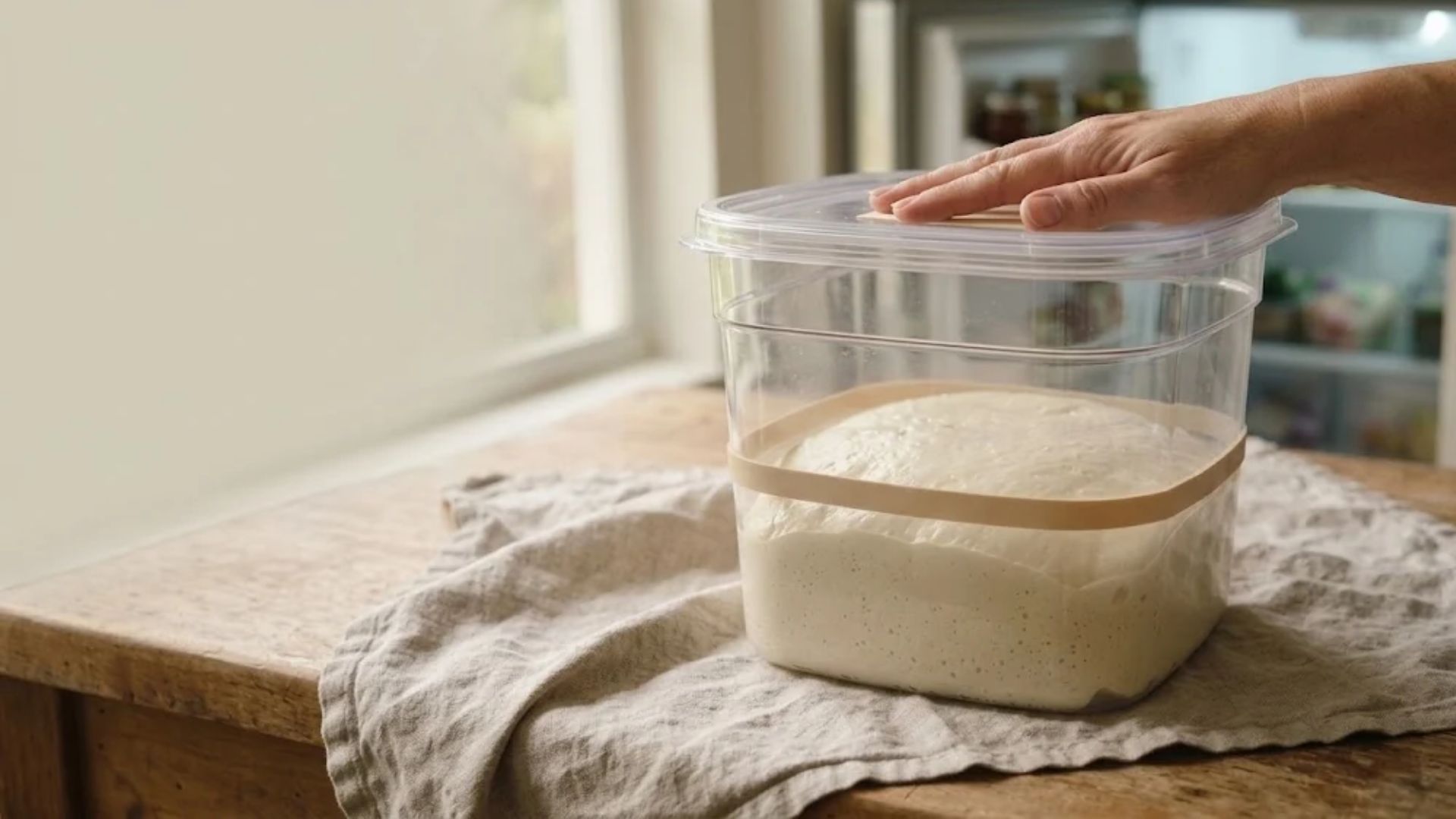
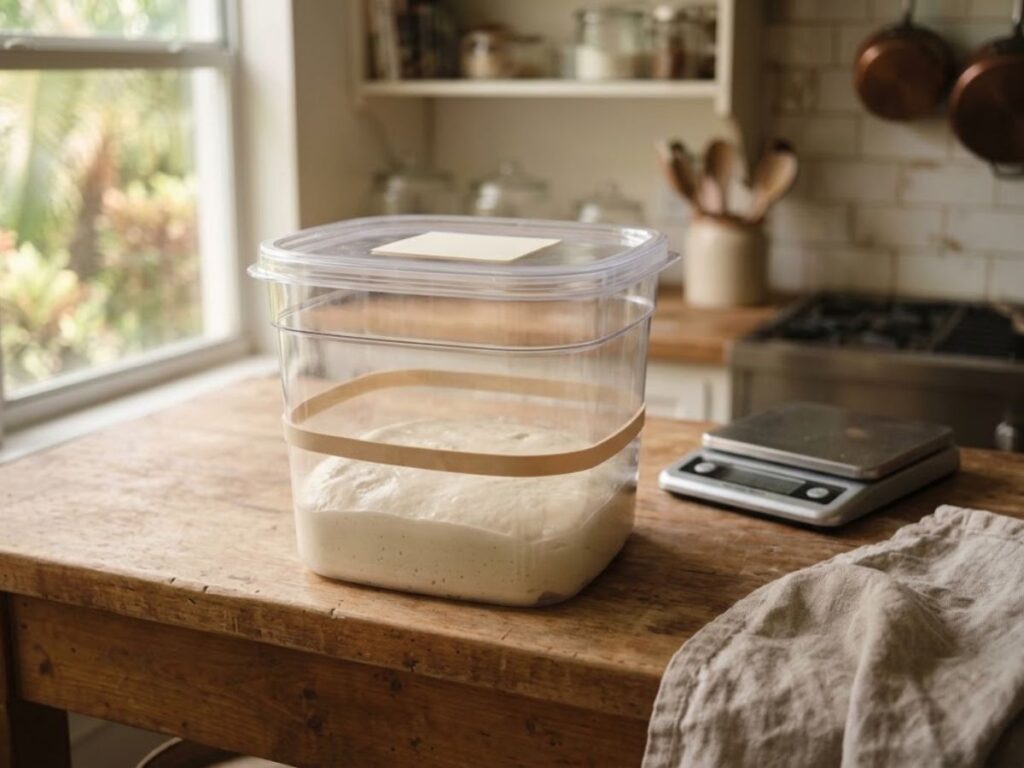
Use a dough rising bucket, or any container with a snug lid and room to spare. King Arthur wants unrisen dough to fill only about a third of it, with a tight cover, because breathable cloth lets the surface dry out. Its own bucket advice is to set the lid on without snapping it shut, since yeast pressure can make it hard to remove. Stretch a rubber band around the container at the dough line. When the dough comes back out, the band shows how far it climbed, which tells you more than the clock does.
For the bulk container
Marked sides let you read the rise against your rubber band.
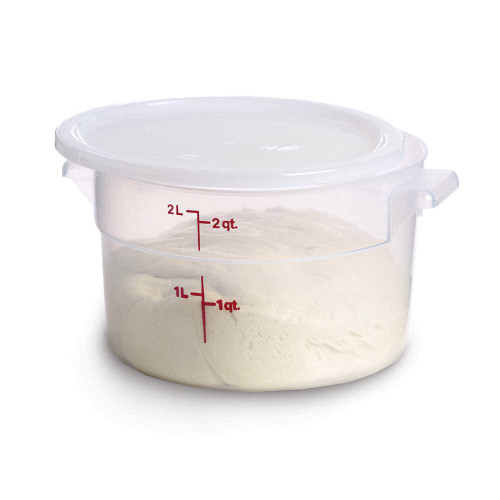
Standard Dough-Rising Bucket
A simple straight-sided bucket with a lid for bulk fermentation. The marked sides make it easy to see how far your dough has risen, which beats guessing by eye.

Extra Large Dough-Rising Bucket
The roomier version of our budget bucket, with a snap-on lid and marked sides so you can see exactly how far the dough has climbed. Choose it for a double batch or when you want extra headroom.
Check the dough and fridge temperature
King Arthur advises 75 to 80°F for shaped dough going into the fridge, and says above 80°F the fridge may not cool it before it overproofs. That advice is about shaped loaves, and I suspect a warm bulk container behaves the same way. An instant-read thermometer settles the question. The Perfect Loaf also says not to go below about 39°F (4°C) when slowing a bulk, so a fridge thermometer is worth having.
For dough and fridge temperature
One checks the dough, the other checks what your fridge is really doing.
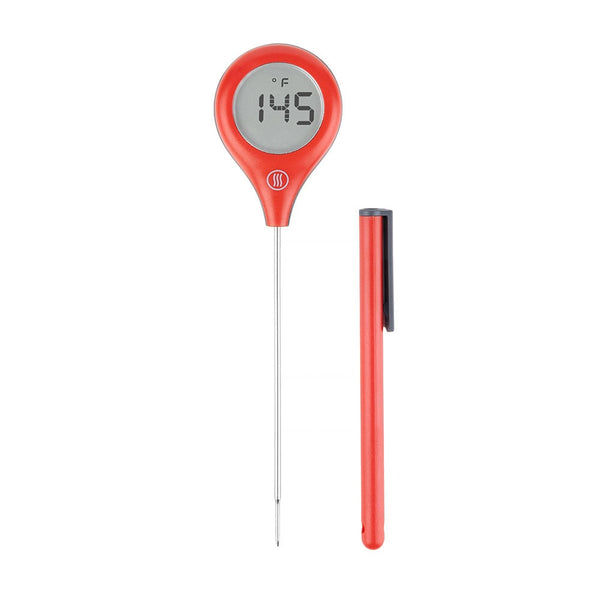
ThermoPop 2 Instant-Read Thermometer
The budget way to stop guessing. Fast, accurate, and easy to read when you are checking a loaf, a cookie, or your dough temperature on a hot day.
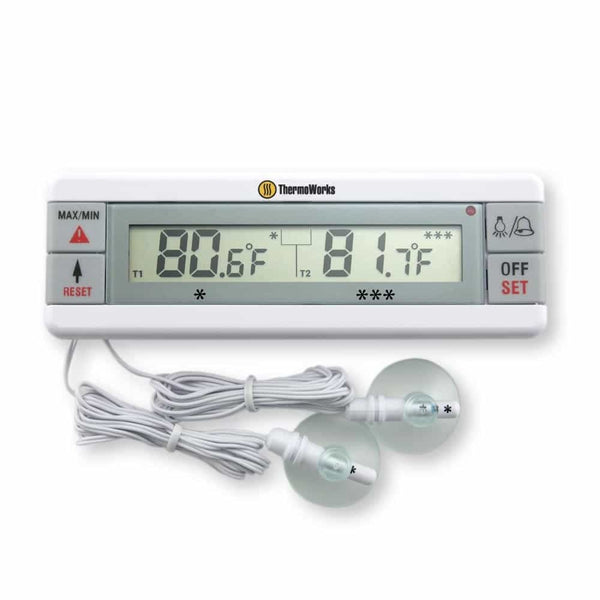
ThermoWorks Fridge/Freezer Thermometer
Two probes, one display: it tracks your fridge and freezer and sounds an alarm if either drifts out of the range you set. Handy for knowing what your fridge is really doing when dough retards overnight.
Which Stage Can You Pause At?
The stage you are in decides how well a pause works. None of the sources I read gives a tested pause time for each point in a bulk, so the last column is my reading of them. Let the dough overrule me.
| Where you are | Fridge pause | What the sources say | My move |
|---|---|---|---|
| Just mixed, no rise yet | Poor choice | Dough chilled right after mixing can need multiple days to ferment | Give it a warm start first. |
| Early bulk | Works well | 8 to 12 hours, up to about 16 | Mark the level, cover, chill. |
| Middle of bulk | Works with care | Dough keeps rising while it cools | Chill soon and expect it to be ahead on return. |
| Nearly done | Shape, then chill | A shaped loaf proofs 8 to 16 hours | Shape it and use the fridge for the final proof. |
| Already shaped | Standard method | 10 to 16 hours suits most home bakers | Bake from the fridge when ready. |
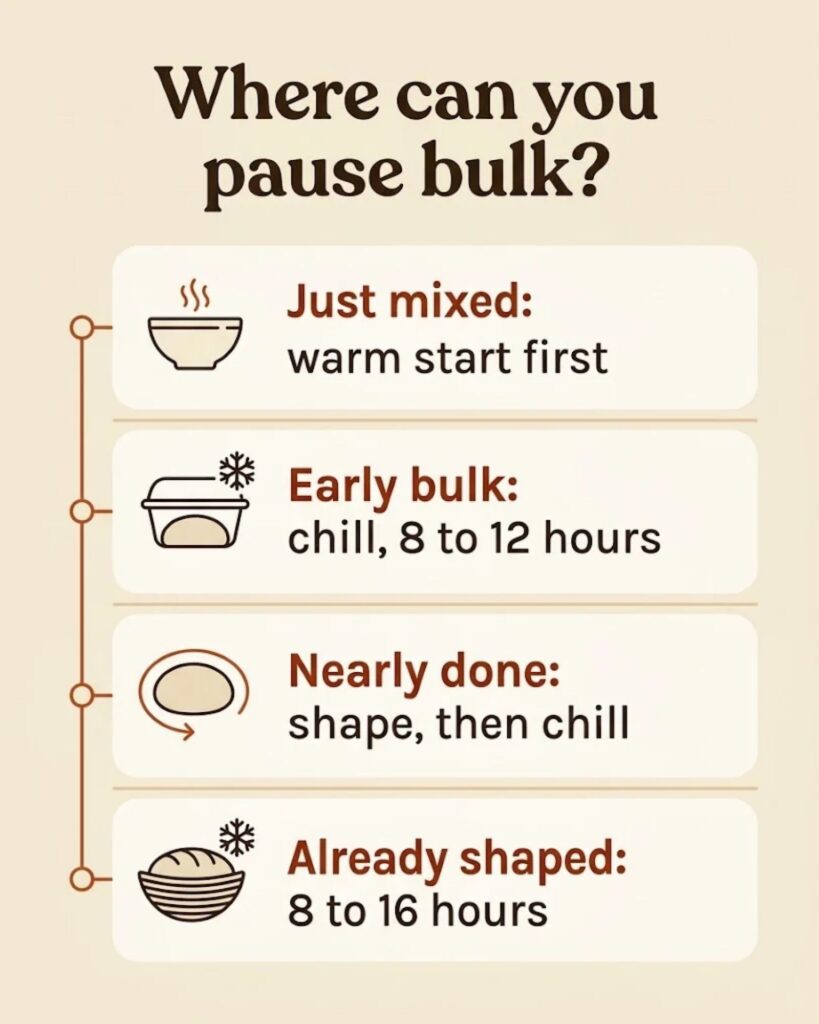
That last row is the one to remember. If your plans change late, a backward plan from dinner usually points to shaping and chilling, and the shaped loaf is the most forgiving thing you can put in a fridge.
How to Bring the Dough Back Out
King Arthur lets the dough warm on the counter for 40 to 60 minutes until it is slightly puffy before shaping, and says stretching and folding can help. Cold dough is also firmer and easier to shape, as our cold bulk guide points out.

Compare the dough with your rubber band. Breadtopia says dough that has barely expanded in the fridge probably needs more time, and that a long wait on the clock does not prove it is ready. Look for a smooth, elastic dough with defined edges that jiggles when you shake the container. The Perfect Loaf points out that volume misleads. A 70% hydration white dough may double, while a 100% hydration whole wheat dough may rise only 20 to 30% and still be ready.
Once it is shaped, use the poke test. In The Perfect Loaf’s proofing guide, a dough that springs back slowly and fills the dent only partly is properly proofed. Quick spring back means underproofed, and no spring back means overproofed.
Desi’s Note
Mark the container before it goes in, and write the time on a sticky note. Think of it as the audit trail. When the kitchen is a mess and you are tired, the band and the note do the remembering for you.
Reading your crumb: fermentation
Let the loaf cool for a full hour before you cut it, then find the closest match.
Swipe each row to see all three.
Under-fermented
Uneven bubbles and a dense, gummy crumb, with sometimes a few big tunnels under the top crust. The dough did not make enough gas before it went into the oven.
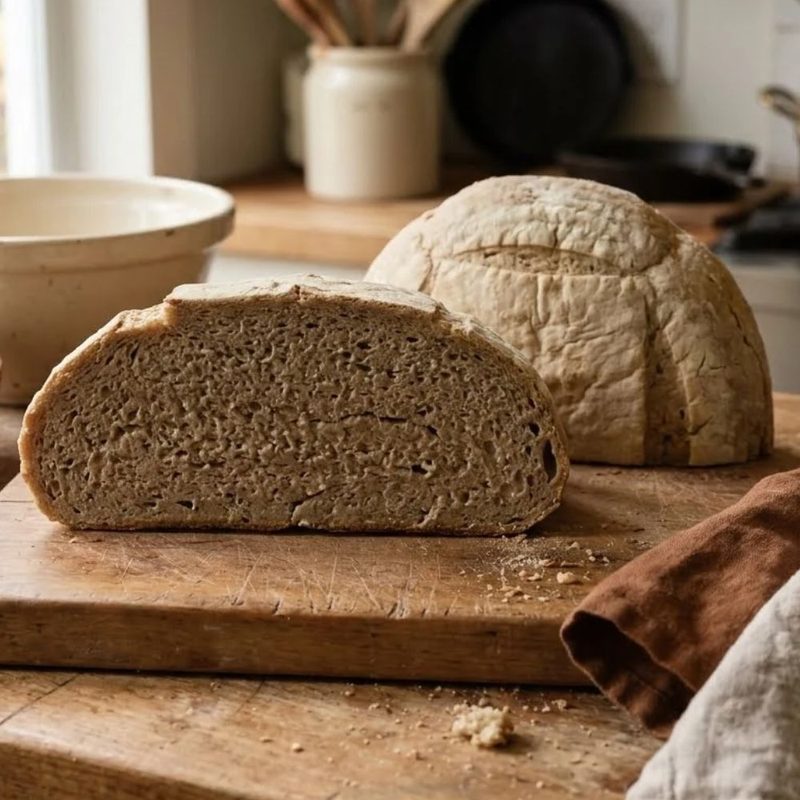
ExtremeVery dense and tight, with only tiny holes.
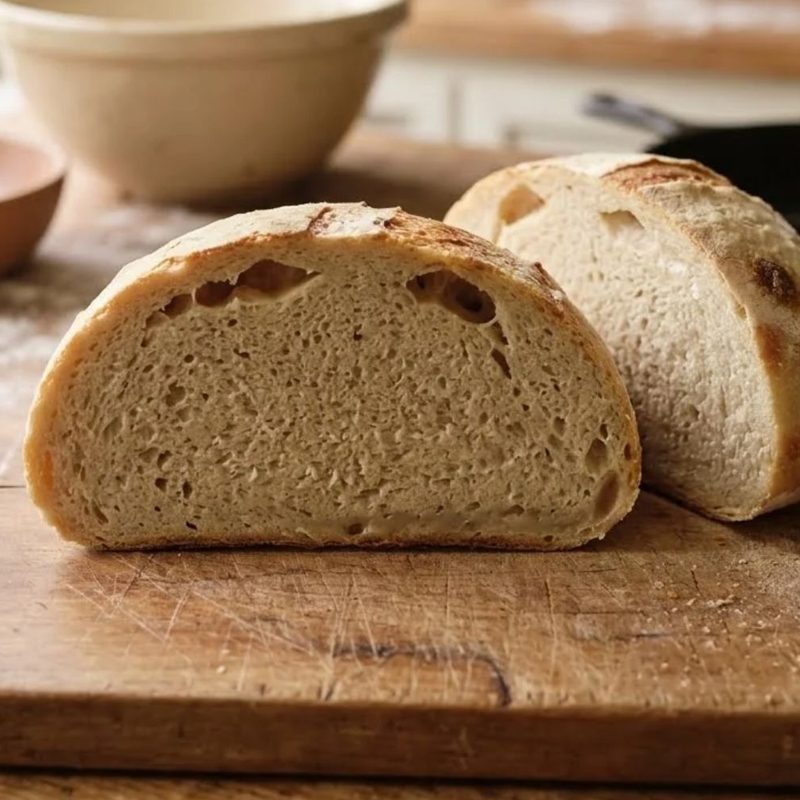
ModerateA few big tunnels over a tight, doughy crumb.
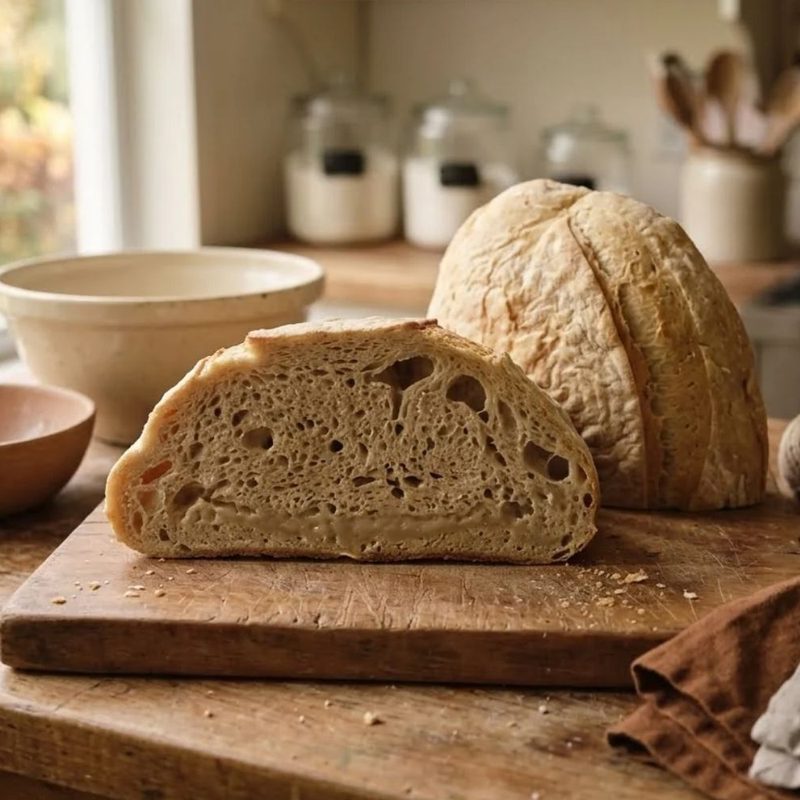
MildSome holes near the top and a gummy band along the bottom.
Nicely fermented
Bubbles of mostly similar size spread evenly through a light, springy crumb. An ear is a bonus, since a good loaf can bake without one.
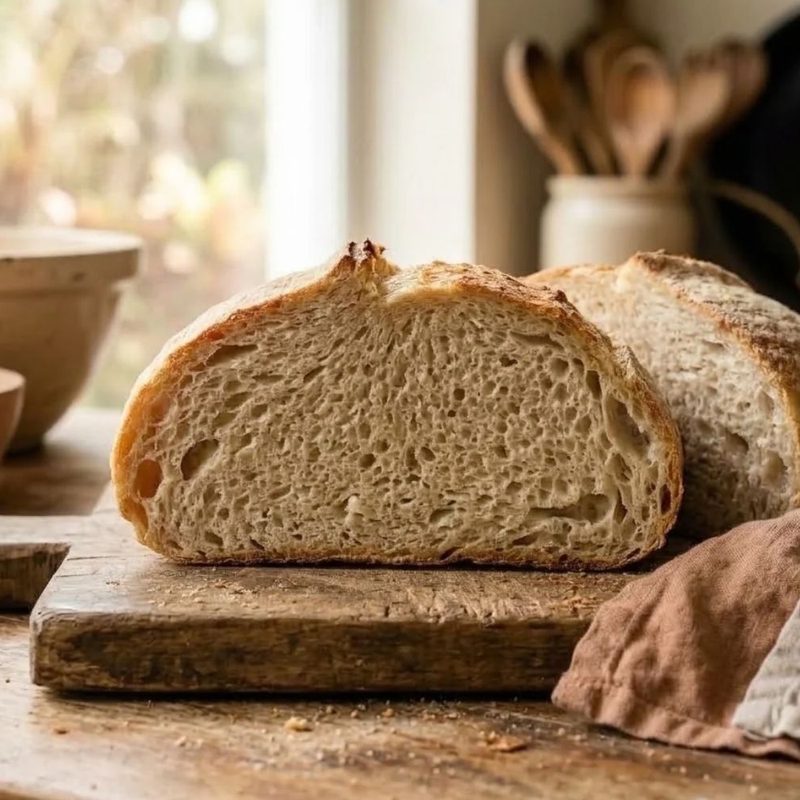
TighterA softer, tighter crumb with small, even holes.
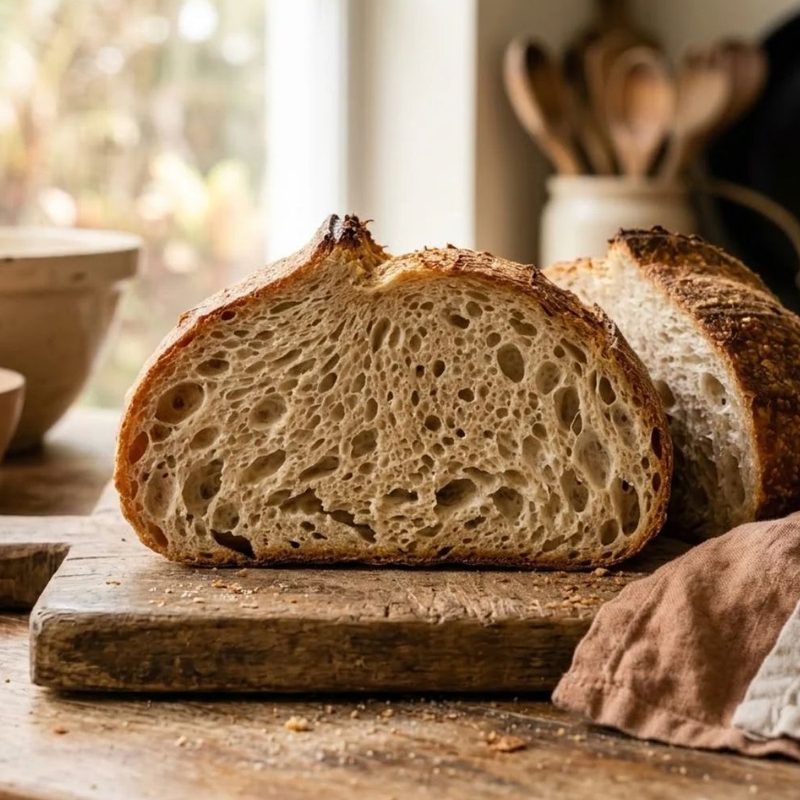
StandardEven, medium bubbles and a tall, rounded loaf. A good everyday crumb.
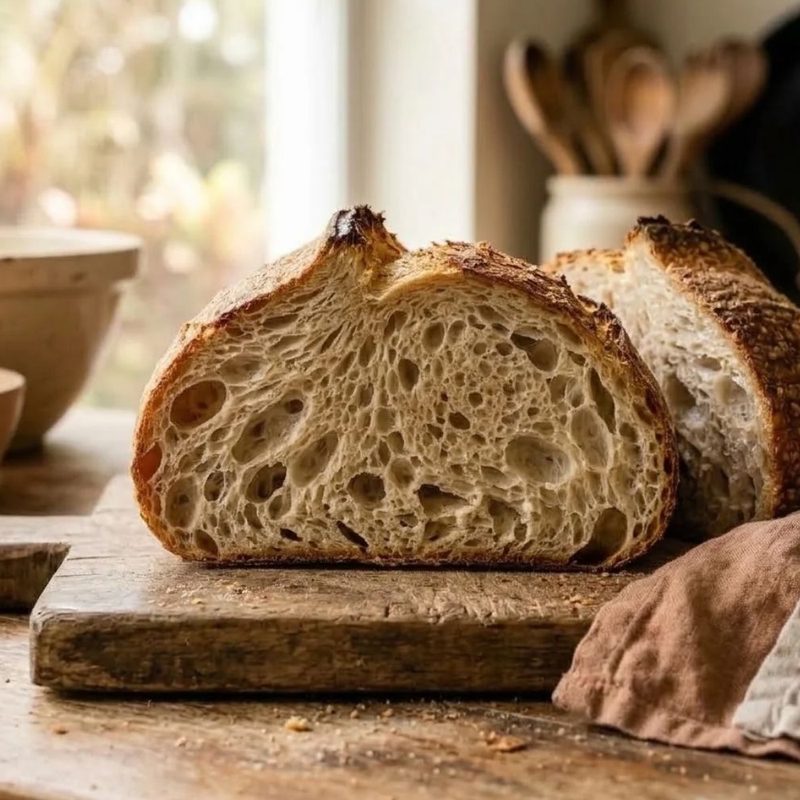
OpenLarge glossy bubbles with thin walls and an ear.
Over-fermented
The structure is weak and the holes are small and shriveled. The loaf spreads flat because the dough ran out of strength before it baked.
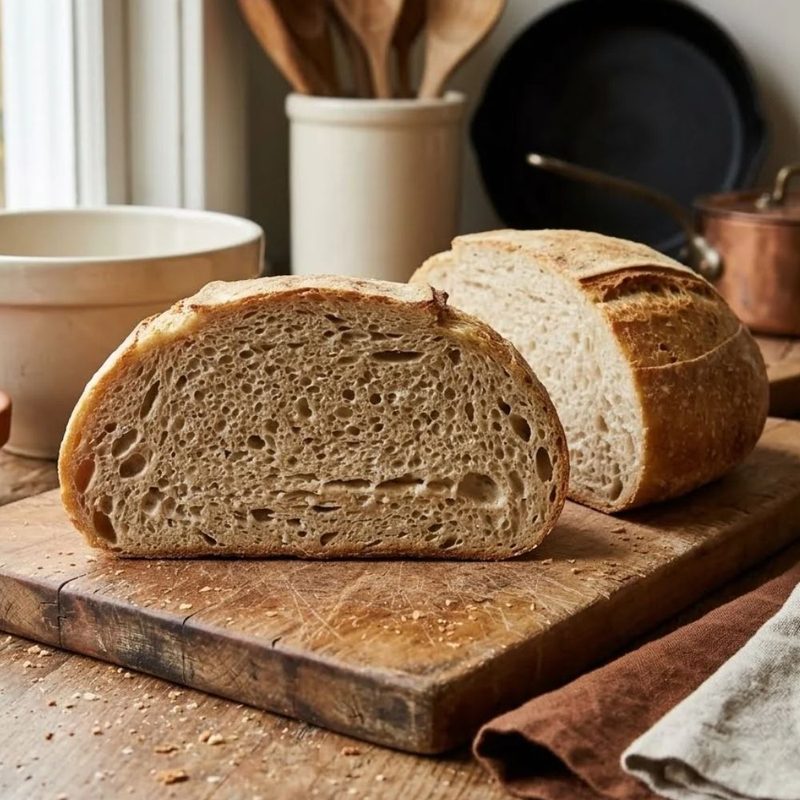
MildA soft, slightly damp crumb with small, tired-looking bubbles.
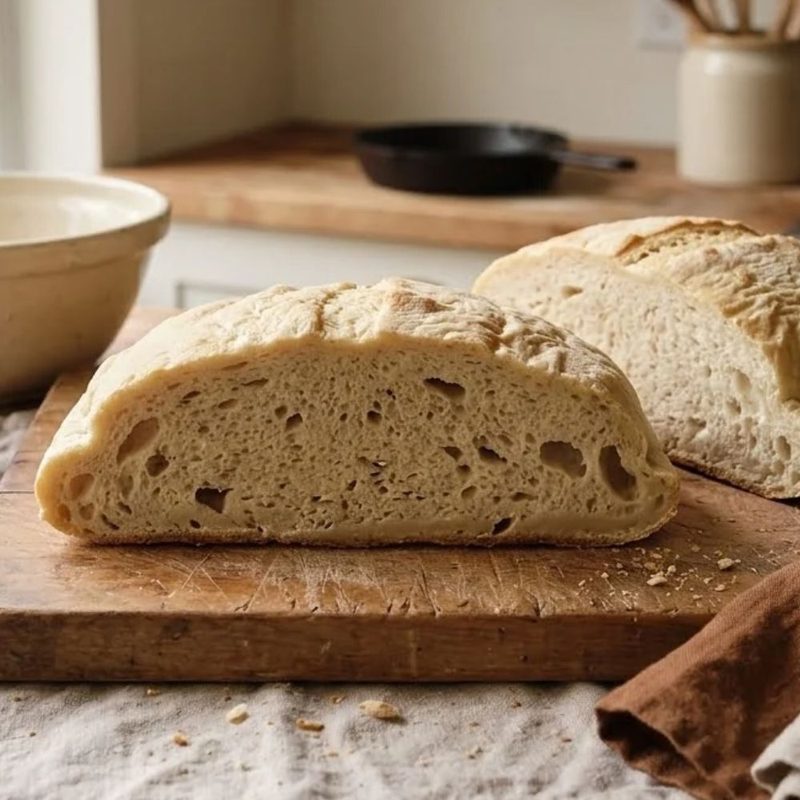
ModerateA pale, wide loaf with torn-looking holes and a gummy base.
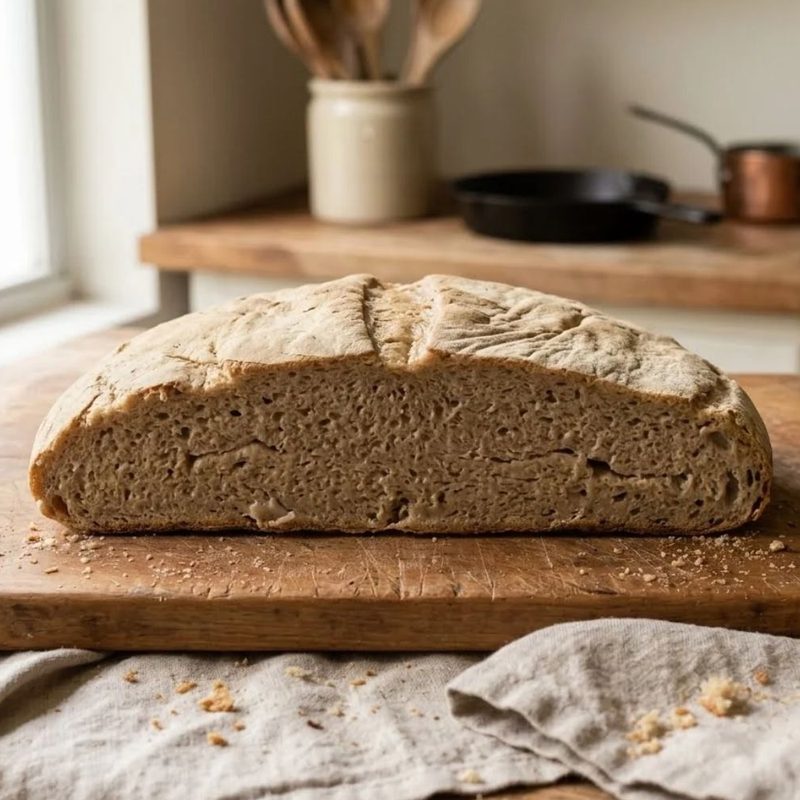
ExtremeA flat, spread loaf with a dense, damp crumb and no structure.
How Long Can the Pause Last?
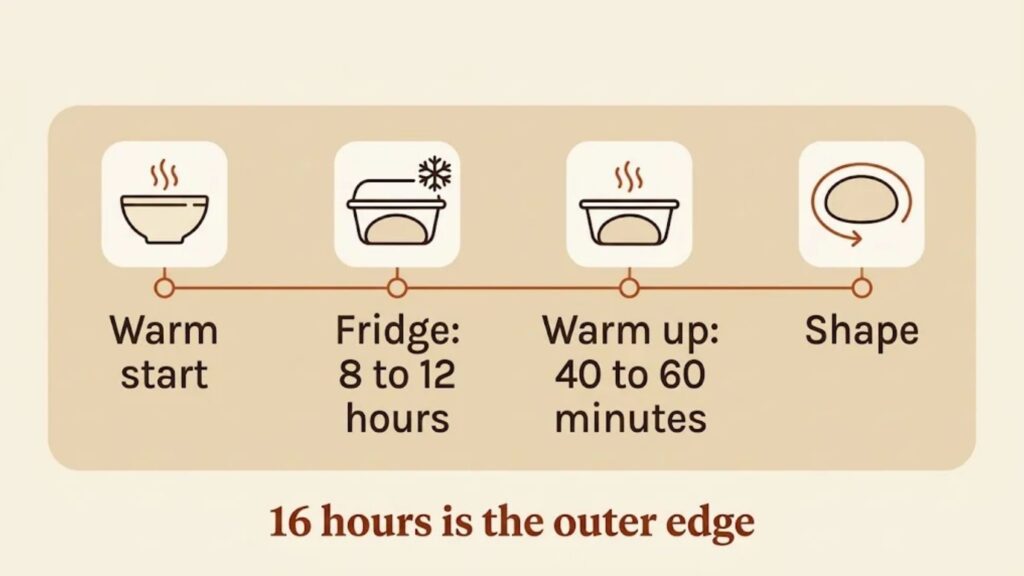
The ranges overlap only in the middle. King Arthur gives 8 to 12 hours for a first rise in the fridge, with about 16 as the limit. The Perfect Loaf lists 4 to 24 hours for a cold bulk. Breadtopia describes a starter-heavy whole grain dough that finishes its entire bulk in the fridge in 24 hours, and says that formula is not a general rule.
So 8 to 12 hours is the safest number I can give you, and I would treat 16 as the edge for a normal formula. A dough built with a small amount of starter can wait longer, which is why our cold bulk guide uses less levain, and a dough built with a lot will not.
Overproofing in the fridge looks like sticky, slack dough that spreads in the oven, according to The Perfect Loaf’s proofing guide. Breadtopia adds that an overproofed loaf is flatter with little score bloom but usually still flavorful. If it happens, shorten the bulk by 15 to 30 minutes next time or chill sooner. Our dense, gummy, sticky dough guide walks through the other causes.

A longer cool ferment also tends to give a tangier loaf. If you want to steer that, Sourness Control explains the levers.
Pausing in a Hot Kitchen
In a warm kitchen the early part of bulk moves fast, so the window for a gentle pause is short. The Perfect Loaf chills the covered bulk container for 15 to 30 minutes right after mixing to take the edge off the dough, and says a fast-moving dough should be chilled only after at least one to two hours of bulk. It treats 76 to 78°F as a warm room, avoids going above 82 to 84°F, and says fermentation turns sluggish below 74°F.
Our Florida heat schedule guide explains how heat compresses every stage, and the Sourdough Schedule Finder helps you rebuild a timeline once you know your dough temperature.
Common Questions
Can I put the dough in the fridge right after mixing?
You can, but it is a poor pause. Breadtopia says dough refrigerated right after mixing needs multiple days in the fridge or many hours back at room temperature to ferment, unless the formula is heavy on starter. A short warm start gives the culture something to work with.
Do I need to warm the dough before shaping?
King Arthur suggests 40 to 60 minutes on the counter, until the dough is slightly puffy. If your kitchen runs hot, I would check it early.
Can I pause after shaping instead?
Yes, and it is the easiest pause. King Arthur gives 8 to 12 hours with a maximum of about 16, and The Perfect Loaf recommends 10 to 16 hours for home bakers. The Perfect Loaf once left a dough for 48 hours and found it sourer with less rise, but still good.
Will pausing make my bread more sour?
Both The Perfect Loaf and Breadtopia say a longer cool ferment generally gives a tangier loaf. How much more depends on your starter and how long the dough sits.
Related Reading
- The Cold-Bulk Schedule
- Plan Backwards: How to Time Your Sourdough So It Is Ready When You Are
- The 9-to-5 Sourdough Schedule
- How Florida Heat Compresses Your Schedule
- Sourdough Proofing and Scoring Problems
Tape a rubber band at the dough line before the container goes in, and the pause stops being a guess.
More Resources
Looking for a printable reference? Browse all six Printable Quicksheets, or start with the Crumb and Crust Diagnostic Quicksheet. To adjust your numbers, open the Sourdough Calculator.
Knead to Know?
New recipes and sourdough troubleshooting, delivered before your starter even finishes its next rise.
Get the latest insights with no spam, just new recipes and baking tips. Unsubscribe anytime. See our Privacy Policy.